EU organic grazing requirement 2026: more flexibility for farms, but no exemption yet
Updated:
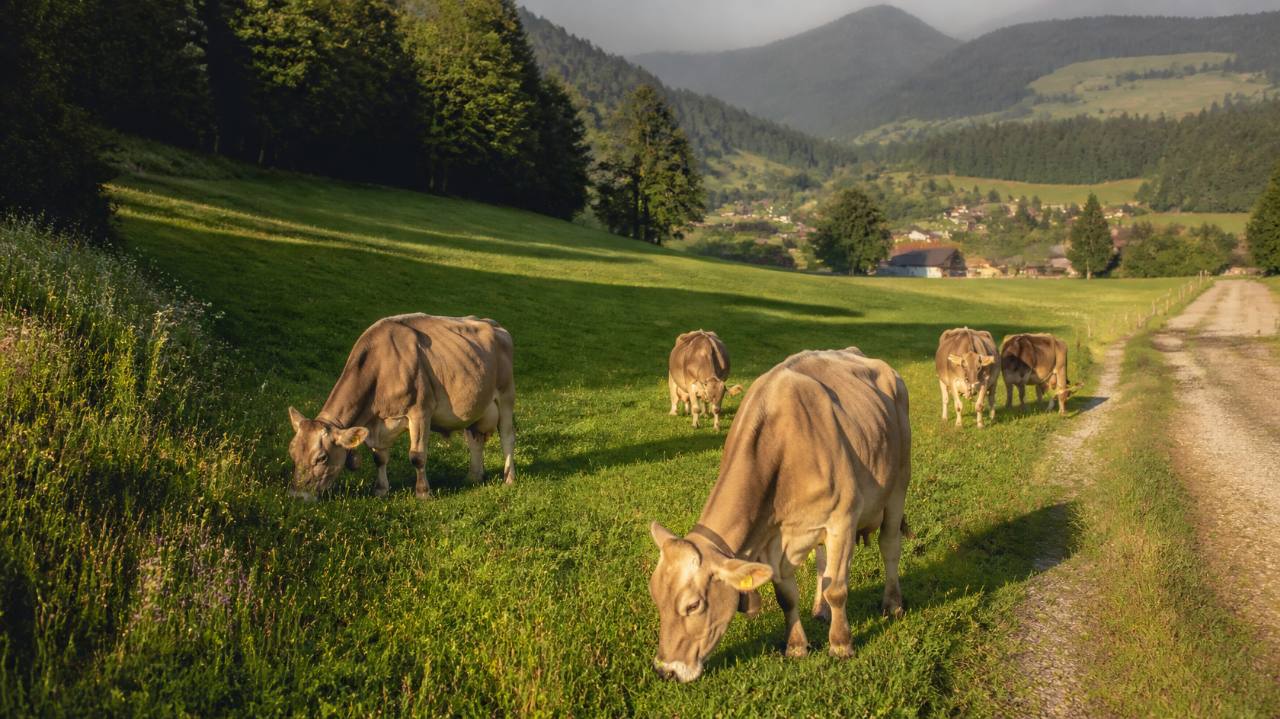
The European Commission is signalling more flexibility in implementing the organic grazing requirement. A planned reform also includes simplifications for certain small organic retailers. What does this mean for farms?
As of 27 October 2026. The simplifications described here are not yet applicable law. The images are AI-generated illustrations and do not show any of the farms mentioned in this article.
Grazing: balancing animal welfare and practical challenges
Access to pasture is one of the fundamental principles of organic livestock farming. Cattle, sheep and goats should have access to grazing land where the relevant conditions allow it.
Putting this into practice is not always straightforward.
Many farms have existed for generations. Some are located in the middle of established villages; others lack sufficient contiguous grassland. Roads, a shortage of land and costly alterations can make the required access to pasture considerably more difficult.
Smaller family farms in particular face a tension between high animal welfare standards and the practical possibilities at their location.
European Commission signals more flexibility
On 20 October 2026, the European Parliament and the Council reached a provisional agreement on changes to the EU organic regulation.
However, no binding new arrangement on the grazing requirement was agreed.
The European Commission nevertheless indicated that particular structural difficulties and the time needed for farms to adapt could receive greater consideration.
The organic farming associations Bioland, Naturland, Demeter and Biokreis see opportunities for improvements, but criticise the continuing lack of definitive legal certainty.
The basic grazing requirement remains in place. No general exemption for farms with unfavourable site conditions has been adopted.
What does this mean for affected organic farms?
Affected farms should document their land, grazing options and structural difficulties in a clear and traceable way.
This includes, for example, the location and size of available pastures, routes between housing and grassland, time restrictions and any necessary structural alterations.
Coordination with the competent authority and the organic control body is equally important.
Careful documentation can help explain the farm's actual circumstances. It does not replace an official decision or authorisation.
New EU organic rules: simplifications planned for small organic retailers
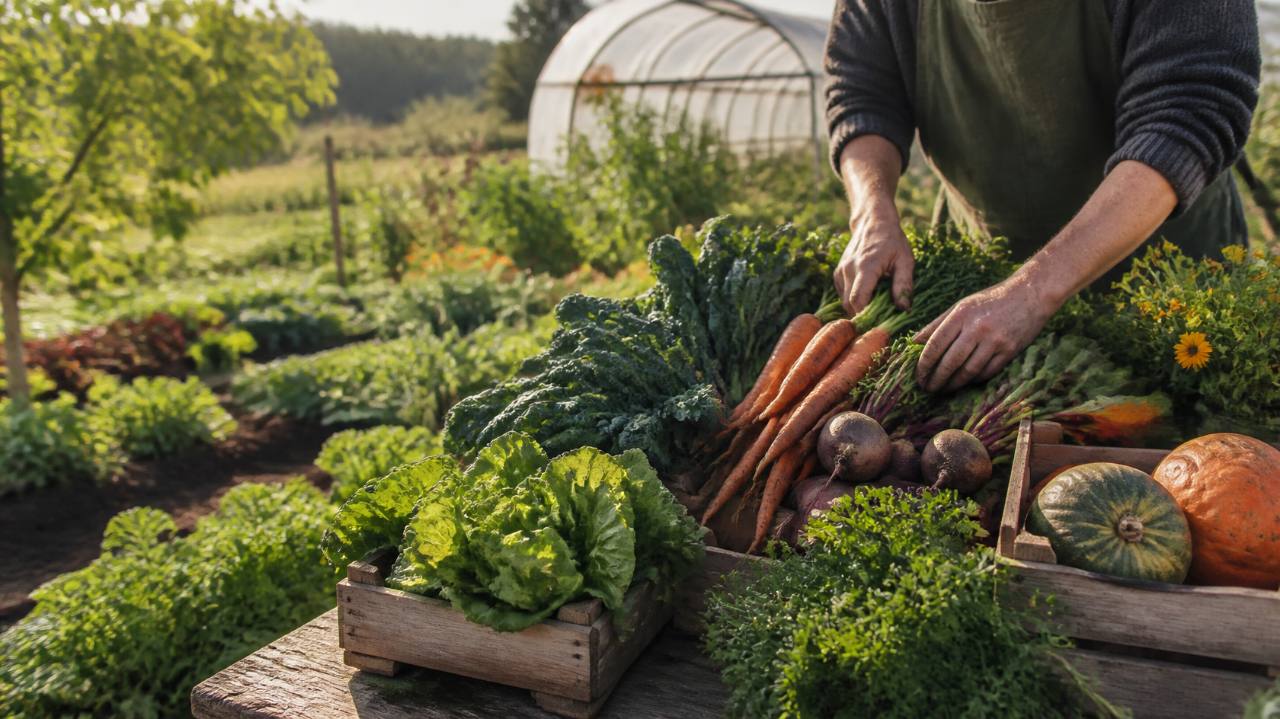
Illustration: horticultural produce. The image does not establish organic certification or identify a particular retailer.
The provisional EU agreement contains changes beyond the grazing requirement.
Of particular interest are higher thresholds for certain small retailers selling unpackaged organic products directly to final consumers.
| Threshold | Current | Planned |
|---|---|---|
| Annual turnover | €20,000 | €40,000 |
| Annual sales volume | 5,000 kg | 10,000 kg |
The planned turnover threshold would be assessed using the average annual turnover over the preceding five years.
Who qualifies for this exemption is crucial.
Under certain conditions, the existing provision in Article 35(8) concerns small retailers that do not produce or prepare the organic products themselves.
An agricultural producer or farm shop is therefore not automatically exempt from organic certification merely because turnover is below €40,000. Other conditions and national rules must also be considered.
This is still a provisional EU agreement that has not yet been finally adopted.
Why digital records are becoming more important
Whether managing grazing, planning crops or preparing for organic inspections, farms have to keep track of many different kinds of information.
This is about more than meeting requirements. It also helps maintain a clear overview of how the farm is managed.
Which areas are available? Which crops were grown? Which activities were carried out? What worked, and what could improve next season?
Digital tools can help record this information in a structured way and keep it useful over time.
PermaNatura: understand your land and manage it sustainably
PermaNatura combines digital garden and land planning with plant knowledge, crop rotation, tasks and activity records.
The platform is designed for private gardeners as well as smaller farms, market gardens and permaculture projects.
Its aim is to make sustainable management easier to plan and to record experience over several years.
The software does not replace organic certification or individual legal or professional advice.
Discover PermaNatura for farming and horticulture
Sustainability needs practical solutions
The developments in October 2026 show how important it is to reconcile high ecological standards with the actual conditions on farms.
More time to meet the grazing requirement could help affected farms. The necessary legal certainty still needs to be established.
Planned simplifications for smaller organic retailers could also reduce administrative burdens, provided the relevant legal conditions are met.
The future of organic farming therefore depends on more than new rules: implementation must also be transparent, traceable and workable in practice.
Sustainable farming starts with understanding the local conditions, and grows with every considered decision.
Sources and further reading
- Council of the EU: agreement on the organic regulation, 20 October 2026
- Bioland: assessment of the negotiations
- top agrar: organic grazing requirement — European Commission signals more flexibility for affected farms
- EUR-Lex: Regulation (EU) 2018/848, particularly Annex II, Part II and Article 35(8)