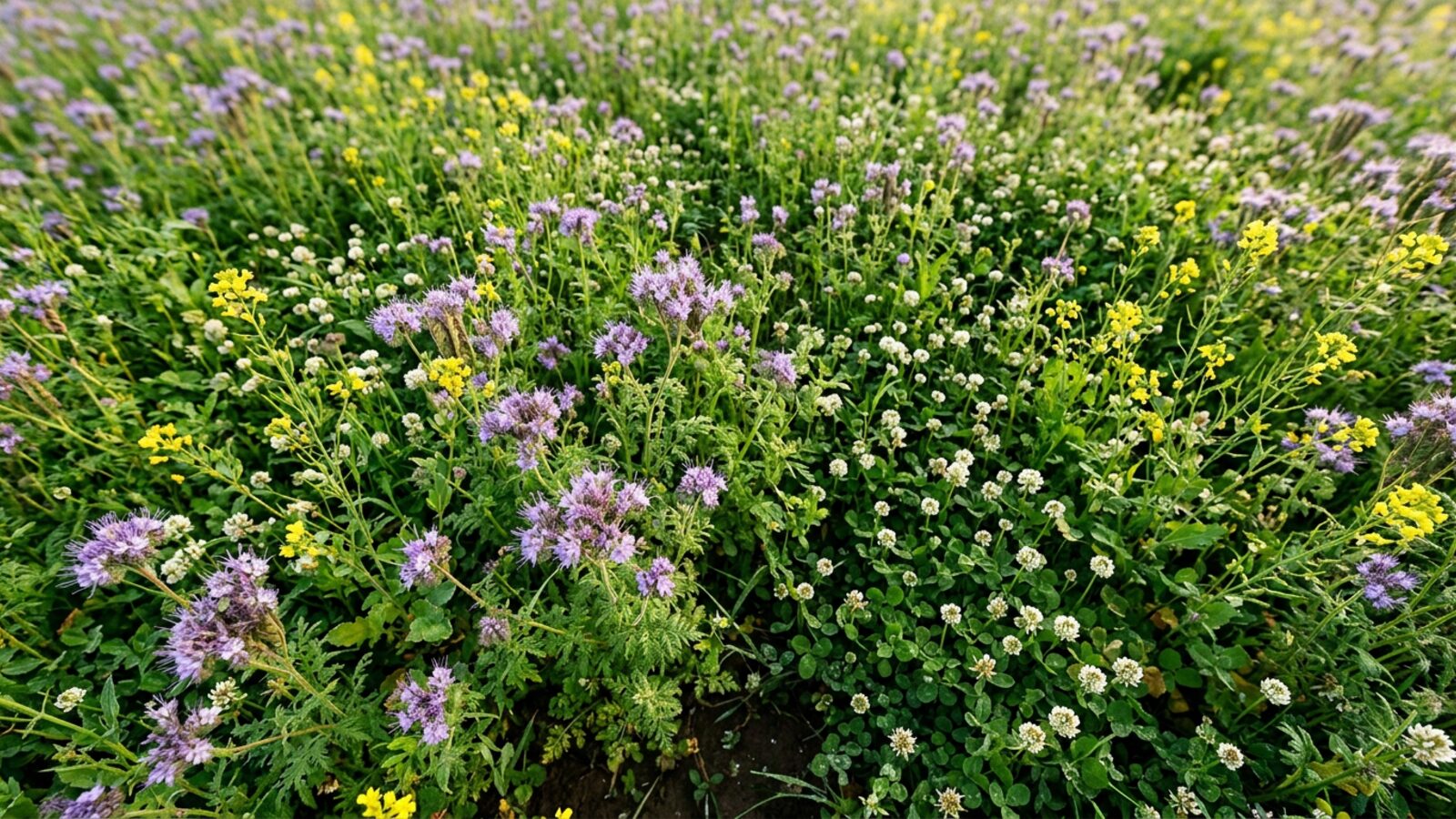
Green Manure & Cover Crops: A Living Mulch for Fertile Soil
A harvested bed in late summer, a fallow area after the grain harvest – for many of us an everyday sight. But this bare, unprotected soil is a condition that nature never intended. Wind and rain carry away valuable topsoil, nutrients are leached out, and weed seeds find ideal conditions to spread. It is a missed opportunity, because it is precisely in this interval between two main crops that there lies enormous potential, which we can actively harness for the health and fertility of our soil.
The solution is as simple as it is ingenious and has a centuries-old tradition in sustainable agriculture and horticulture: green manure. Instead of letting the soil lie fallow, we deliberately sow plants that do not serve the harvest but the soil itself. They form a protective cover, root through the earth and enrich it with valuable organic matter. This article is a plea for living soil and shows you how, with green manure and cover crops, you can transform your garden or your field into an oasis of fertility.
What actually is green manure?
The term "green manure" describes the deliberate cultivation of plants or plant mixtures in order to improve the soil. Unlike our vegetable or grain crops, we do not harvest these plants to eat or sell them. Their sole purpose is to serve the soil as "food". After they have grown for a certain time, they are either worked into the topmost layer of soil or left on the surface as a protective mulch layer.
The terms green manure and cover crop are often used synonymously. Technically correct, a cover crop is any crop grown between two main crops. A green manure is a cover crop that primarily serves to improve the soil and is returned entirely to the soil. In practical usage, however, we usually mean the same thing: a green plant cover that protects and nourishes our soil, true to the motto: "Healthy soil is never bare."
The power of the green cover: why green manure pays off
The benefits of green manure are so manifold that it counts among the most important measures in regenerative agriculture and organic horticulture. It is not additional work but an investment in next year's harvest.
Nitrogen collectors for the next crop: the magic of legumes
Some of the most valuable green manure plants belong to the legume family (pulses), such as clover, vetches or lupins. They possess an almost magical ability: in a symbiosis with special nodule bacteria (rhizobia) on their roots, they can fix nitrogen (N) from the air and store it in the soil in a form available to plants. Nitrogen is the most important primary nutrient for plant growth. So if you use legumes as green manure, you provide your subsequent crop, for example heavy-feeding cabbage or pumpkin, with a free and slowly flowing source of nitrogen. This saves fertiliser and promotes healthy, balanced growth.
Humus build-up and crumb structure: food for the soil
After the growing season, the green manure leaves behind a large amount of organic mass – roots in the soil and above-ground growth. This biomass is the food for billions of soil organisms, from bacteria and fungi to earthworms. They decompose the material and build humus from it, the fertile, dark substance that makes the soil alive.
A humus-rich soil has a stable crumb structure. This means:
- It can store water like a sponge and supplies the plants even in drier phases.
- It is well aerated, which promotes root respiration.
- It is easier to work and is less prone to silting up during heavy rain.
Erosion protection and nutrient conservation
Bare soil is exposed to the elements without protection. Heavy rain can wash away valuable topsoil (water erosion), strong wind can blow it away (wind erosion). A dense green manure cover gently catches raindrops and protects the soil surface. The dense root network holds the soil particles in place and stabilises the structure.
At the same time, green manure acts like a "nutrient safe". Especially in autumn and winter, when no main crop is standing in the field, soluble nutrients such as nitrate are easily leached into deeper soil layers or into the groundwater. The growing cover crops take up these nutrients and store them in their biomass. When the green manure rots in spring, the nutrients are released again – precisely when the new crop needs them.
A paradise for soil organisms
Living soil is the foundation for healthy plants. The roots of the green manure plants loosen the soil and create channels. Their root secretions (exudates) are an important food source for microorganisms in the root zone. The rotting plant mass nourishes earthworms, which mix and aerate the soil and fertilise it with their nutrient-rich droppings. A green manure actively promotes these underground helpers and increases biological activity in the soil exponentially.
Gentle weed suppression
Where a desired plant grows, no undesired one can grow. A fast-growing and dense green manure shades the soil and effectively suppresses the germination and growth of weeds. Species such as buckwheat or rye are particularly effective here. This considerably reduces the weeding effort in spring and helps to reduce the seed reserve of weeds in the soil over the long term.
The right plant at the right time: green manure over the course of the year
The choice of the right green manure depends on the time of sowing and the goal you are pursuing. A rough distinction is made between frost-killed and winter-hardy mixtures.
Summer green manure (sowing June to August)
After harvesting early potatoes, peas or lettuce, a gap often opens up in the bed as early as midsummer. Fast-growing but not winter-hardy plants are suitable here.
- Phacelia (bee's friend): The classic. Grows extremely fast, forms a lot of leaf mass, roots through the soil intensively and is not related to our usual vegetable plants, which makes crop rotation easier. Blooms beautifully and is one of the best bee pastures. Reliably freezes off in winter.
- Buckwheat: A knotweed plant that is likewise not related to our vegetables. It germinates well even in dry conditions, grows rapidly and suppresses weeds excellently. Particularly good on heavy soils, as it can unlock phosphorus. It also dies off at the first frost.
Autumn green manure (sowing August to September)
This is the most common use case after the main harvest in the vegetable garden or in the field. The goal is to keep the soil covered over the winter.
- Yellow mustard and oil radish: Both belong to the family of cruciferous plants. They grow extremely fast and form a dense cover. Oil radish has the additional advantage of breaking up compacted soils with its deep taproot and reducing nematodes (depending on the variety, e.g. 'Defender' or 'Contra'). Caution: Do not grow before or after other cruciferous plants such as cabbage, radishes or radish, so as not to promote clubroot! They mostly freeze off in winter.
- Phacelia: Sown in autumn too, it is a safe bet and reliably freezes off, which greatly facilitates bed preparation in spring.
Winter-hardy green manure (sowing August to October)
These plants survive the winter and continue to grow in spring. They offer the best erosion protection and can form an enormous biomass in spring.
- Winter rye: The cereal forms a massive root system over the winter that perfectly stabilises the soil and collects nutrients. In spring it continues to grow strongly. Its root secretions have an allelopathic effect, i.e. they suppress the germination of subsequent (weed) seeds. It must be safely broken up or mown before the following crop in spring.
- Winter vetch (hairy vetch): A legume and thus an excellent nitrogen collector. It overwinters well and forms a dense tangle of tendrils in spring. Ideal in a mixture with rye, which serves as a support crop for it. This mixture (often sold as "vetch-rye") is one of the best green manures for heavy feeders such as tomatoes, pumpkin or maize.
- Crimson clover: Also an overwintering legume with beautiful, crimson-red flowers in spring. It fixes nitrogen very well and is a good bee pasture. It sometimes dies back in very severe winters.
From sowing to incorporation: the practice of green manure
The application is straightforward and requires no special equipment.
Sowing and seeding rate
- Preparation: After harvesting the preceding crop, loosen the soil superficially with a cultivator, a rake or a digging fork. Remove coarse weeds. The seedbed does not need to be fine-crumbed.
- Sowing: Sow the seeds broadcast (scattered by hand) over the area. Try to achieve an even distribution.
- Incorporating: Then rake the seeds lightly into the soil (about 1-2 cm deep) so that they have soil contact and are protected from birds. On larger areas this can also be done with a harrow.
- Watering: If the soil is very dry, you should water once thoroughly after sowing to start germination.
Typical seeding rates for the home garden:
- Phacelia: 1-2 g/m²
- Yellow mustard: 2-3 g/m²
- Buckwheat: 5-7 g/m²
- Vetch-rye mixture: 15-20 g/m²
The end of the green manure: mulch or incorporate?
There are two ways to prepare the green manure for the following crop:
-
Let it freeze off and mulch (simplest method): Non-winter-hardy species such as phacelia, mustard or buckwheat freeze off by themselves in winter. Their frozen remains stay on the bed as a protective mulch layer. In spring you can simply rake this layer to the side to expose the seed rows or planting holes, or work it in superficially. This is a very soil-friendly method.
-
Incorporate (for winter-hardy species): Winter-hardy green manures such as rye or vetches must be ended in spring before they form seeds. To do this, mow them and work the green mass shallowly (maximum 5-10 cm deep) into the soil. Use a digging fork, a cultivator or, on large areas, a tiller. After incorporating, wait about 2-4 weeks before you plant or sow the new crop. During this time the so-called "rotting" begins, in which the microorganisms decompose the biomass. Sowing directly after incorporating can inhibit germination.
Keeping an eye on crop rotation: what goes where?
The most important principle when choosing green manure is to observe crop rotation, so as not to promote diseases and pests. The rule is: Never grow a green manure from the same plant family as the preceding or following main crop.
| Main crop (example) | Main problem of crop rotation | Suitable green manure | Green manure to avoid |
|---|---|---|---|
| Cabbage, radishes, radish | Clubroot (crucifer disease) | Phacelia, buckwheat, clover, vetches, rye | Yellow mustard, oil radish, rapeseed |
| Potatoes, tomatoes | Nematodes, late blight | Oil radish (nematode-reducing varieties), phacelia | No direct antagonists, but diversity is good |
| Peas, beans | Foot diseases, nitrogen surplus | Phacelia, buckwheat, rye, yellow mustard | Clover, vetches, lupins (too much nitrogen) |
| Lettuce, carrots, onions | Low demand, but soil fatigue | Any green manure, ideally legume mixtures | None, but observe crop rotation of the main crops |
Green manure in agriculture: the GAEC 8 standard
In professional agriculture too, green manure (here usually referred to as cover cropping) is once again gaining strongly in importance. Within the framework of the EU's Common Agricultural Policy (CAP), farms have had to comply with certain standards for good agricultural and environmental condition (GAEC) of their land since 2023. The standard GAEC 8 stipulates that a minimum proportion (as a rule 4 %) of the arable area must be used for non-productive purposes. The cultivation of cover crops or undersowing is one of the most important ways to meet this requirement and at the same time make use of the immense arable benefits such as humus build-up and erosion protection. (Source: information from the Chambers of Agriculture and the Federal Ministry of Food and Agriculture, BMEL).
Practical tips for successful use
- Mixtures are better than single species: Green manure mixtures combine the advantages of different plants. For example, the deep-rooting oil radish loosens the soil, while the vetch collects nitrogen and the phacelia quickly covers the surface.
- Do not sow too late: Pay attention to the latest possible sowing time for the chosen species, so that it can still develop sufficiently before winter.
- Prevent flowering or seed formation: Incorporate the green manure or mow it before it comes into full bloom or forms seeds (exception: bee pasture). Otherwise it itself becomes a "weed" in the following year and has already put its most valuable nutrients into seed production.
- Incorporate shallowly: Never work the green mass in deeply. Decomposition (rotting) requires oxygen, which is lacking in deeper layers. Shallow incorporation promotes rapid conversion by the soil life.
- Patience in spring: Give the soil time after incorporating a winter-hardy green manure. The microorganisms need a few weeks to convert the organic mass.
Green manure is more than just a gardening technique. It is an attitude towards our most important means of production – the soil. By covering, feeding and enlivening it, we create the foundation for rich harvests, healthy plants and a sustainable use of our resources. Your soil is a living organism, and a green manure is the best cure you can give it.
Why not simply give it a try this year on a harvested bed! Choose a suitable mixture, sow it and watch how life returns to your area. Your soil will thank you with a rich harvest next year. To keep track of which green manure you sowed where and when, and to plan crop rotation reliably for the coming year, digital helpers for documenting sowing dates and measures can be very useful. Our PermaNatura, for example, is designed precisely for such planning and documentation tasks, so that no important information is lost.
Comments (0)
Sign in to comment.
📖 You might also like
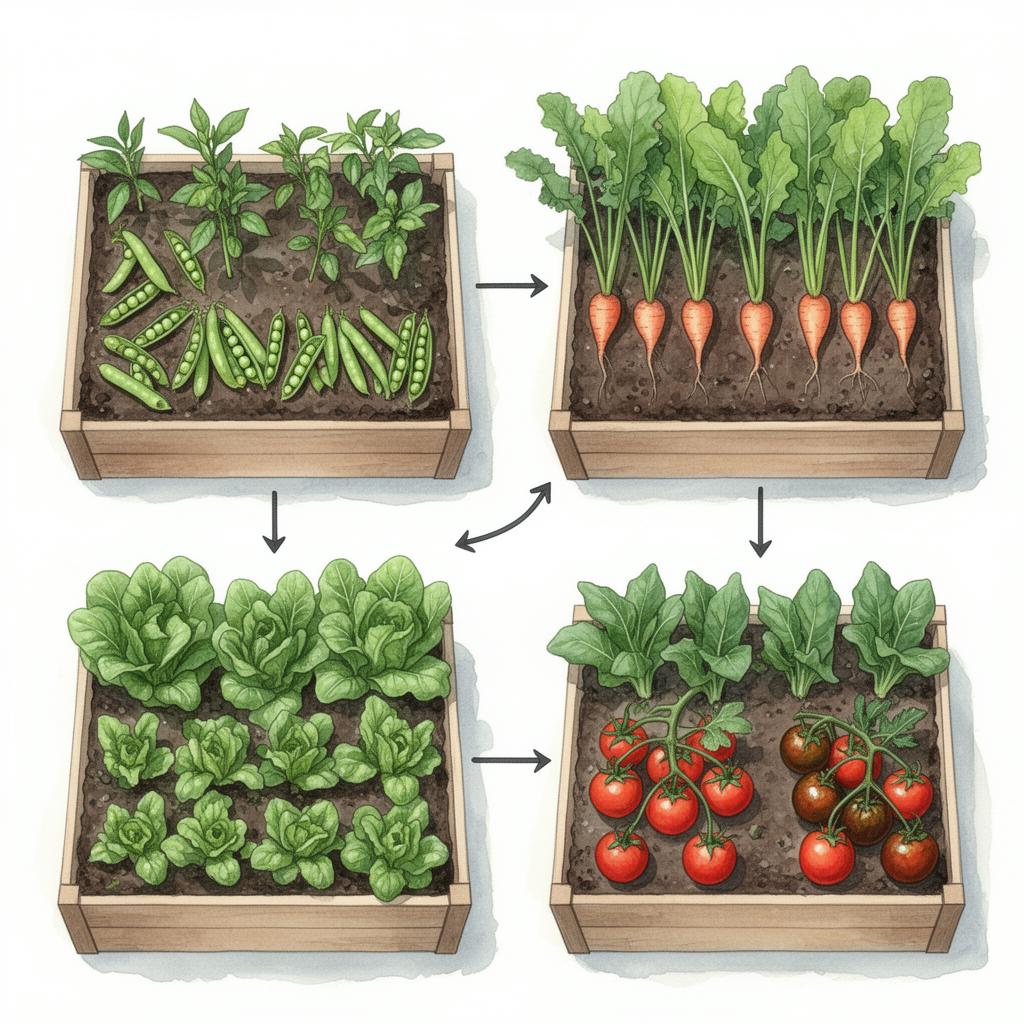
Which app to plan a vegetable garden? The honest 2026 comparison
You want to plan your vegetable beds digitally but aren't sure which app is right? This comparison shows what really matters – from companion planting and the sowing calendar to data privacy – and which type of gardener each solution suits.
Read more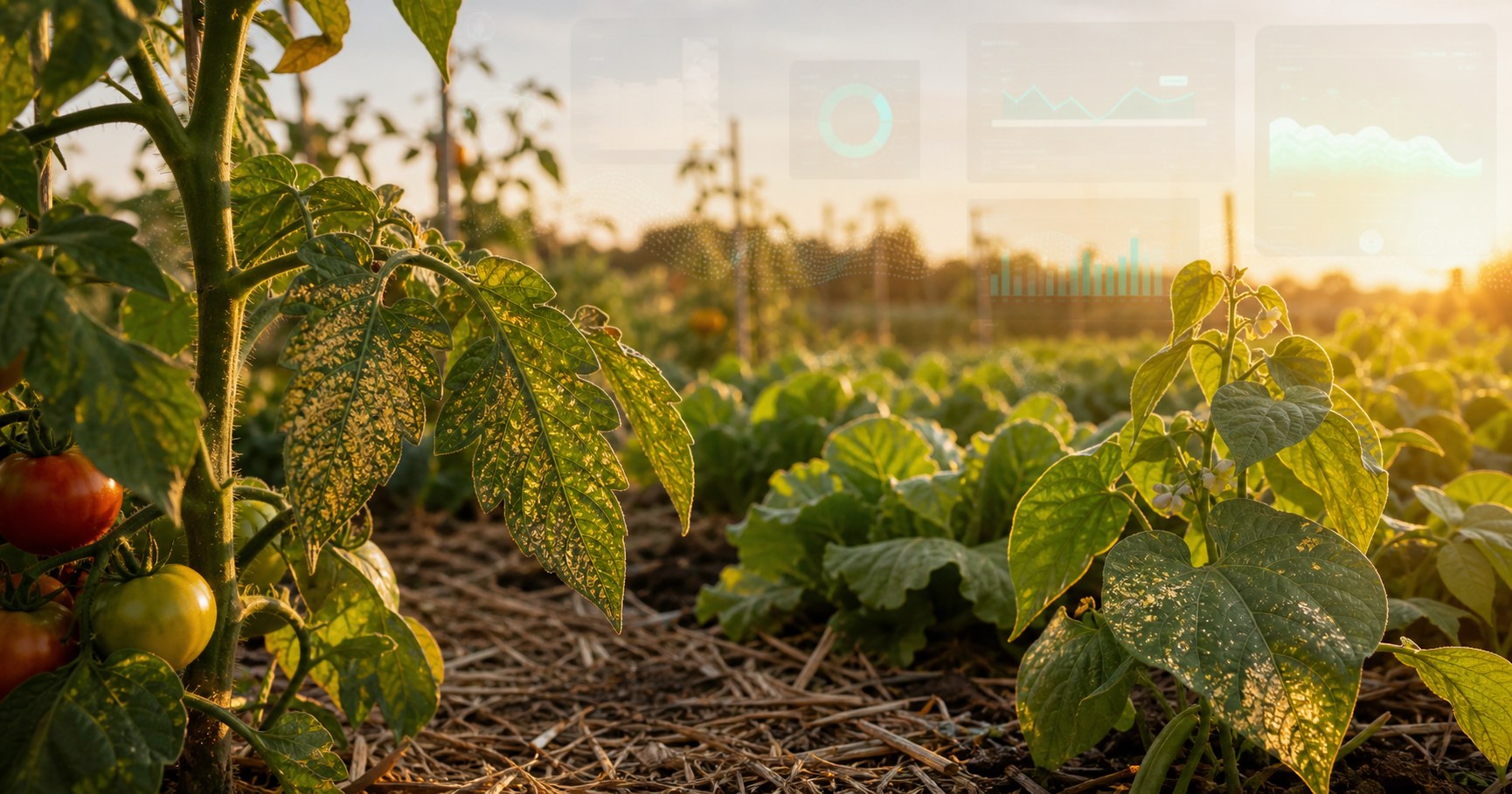
Ozone Stress in the Garden 2026: The Invisible Heat Damage on Tomatoes, Beans and Leafy Greens
When heat, strong sun and stagnant air come together, ground-level ozone can damage plant cells. Learn how to recognise ozone stress, separate it from drought, and protect your beds.
Read more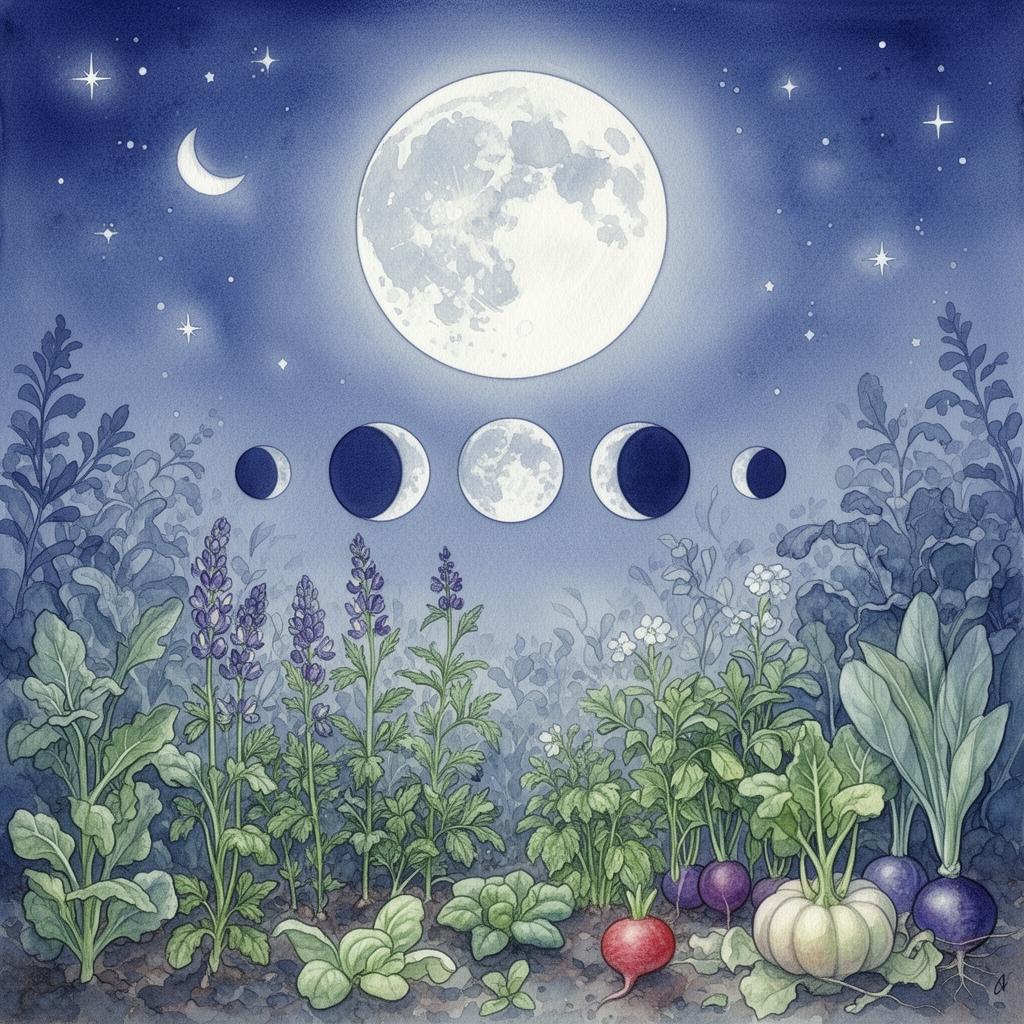
Full Moon Meets Heatwave: What Your Garden Needs on This Special Night
Tonight the Moon is almost full – and the heatwave is still here. Two forces pull at the garden. What lunar tradition says, what the heat demands, and how to bring them together wisely.
Read more