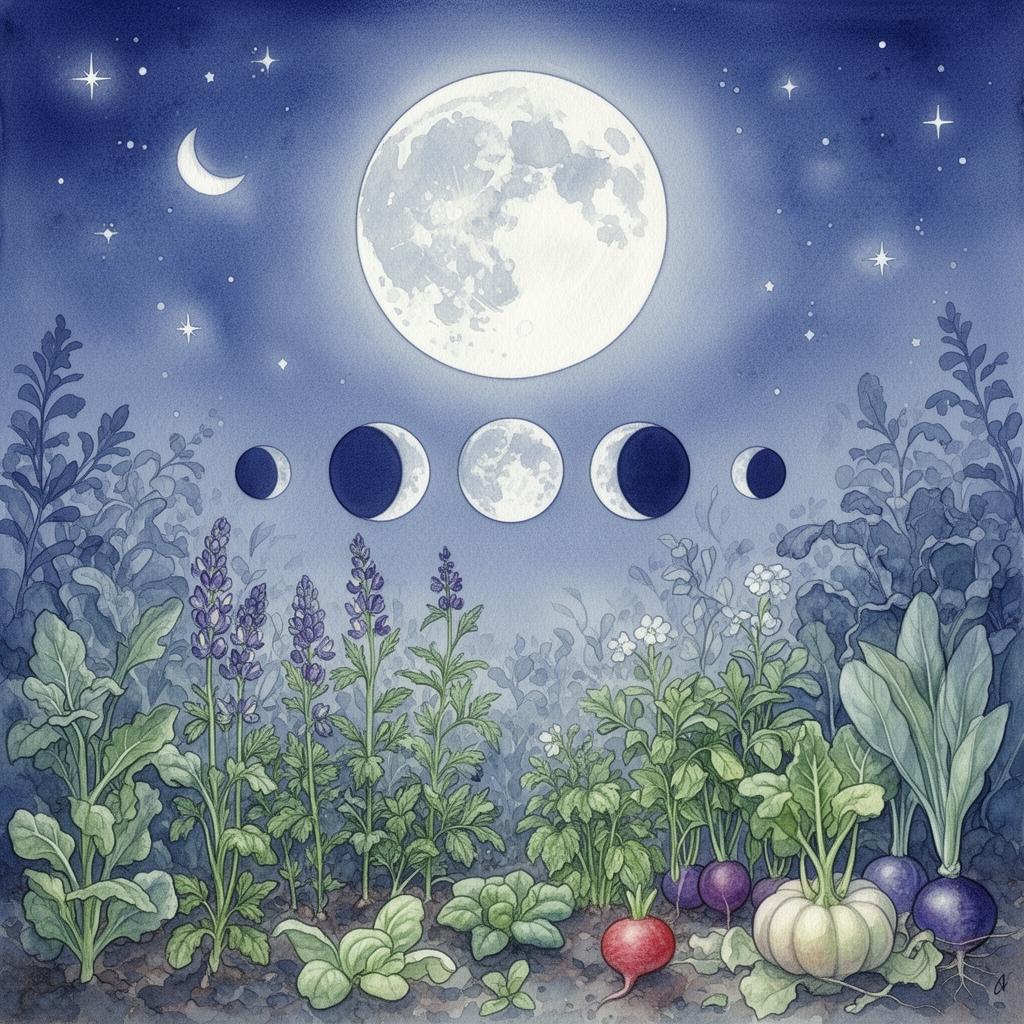
Lunar Gardening Calendar: Myth or Proven Practice?
The Moon and the Plants: An Ancient Connection
Whether Hildegard von Bingen, Rudolf Steiner, or our grandparents' farming lore - the influence of the moon on plant growth has been debated for centuries. But what is really behind it?
The Basic Idea
The moon influences the tides of the oceans. Advocates of moon gardening argue that similar forces also affect the sap flow in plants and the soil moisture.
The Four Moon Phases in the Garden
🌑 New Moon - Time of Rest
- Recommended: Weeding, turning the compost, working the soil
- Avoid: Sowing and planting
- The forces of growth are at their lowest point
🌒 Waxing Moon - Rising Energy
- Recommended: Sowing of above-ground fruiting plants (tomatoes, peppers, herbs)
- The sap flow moves increasingly upward
- Ideal for grafting and budding fruit trees
🌕 Full Moon - Highest Vitality
- Recommended: Harvesting medicinal herbs (highest active-ingredient content)
- Transplanting works particularly well now
- Caution: Increased pest activity at full moon
🌘 Waning Moon - Root Power
- Recommended: Sowing of root vegetables (carrots, radishes, potatoes)
- Pruning of woody plants (less sap loss)
- Best time for fertilizing and mulching
What Does Science Say?
The scientific evidence is mixed, but not entirely far-fetched:
Studies that show effects:
- University of Zurich (2001): Radishes sown during the waning moon formed significantly larger bulbs
- Thünen Institute: Measurable differences in germination behavior across different moon phases
- Gravitational research: The moon demonstrably influences micro-movements in groundwater
Critical voices:
- Many studies have small sample sizes and are hard to reproduce
- The gravitational effect of the moon on a single plant is physically vanishingly small
- Correlation is not the same as causation
The verdict of research:
The lunar calendar definitely does no harm - and regular, mindful gardening following a rhythm certainly fosters attention to plants and soil.
Applying the Lunar Calendar in Practice
Zodiac Signs and Plant Groups
In biodynamic gardening, the zodiac signs are assigned to four elements:
| Element | Sign | Plant Part | Examples |
|---|---|---|---|
| 🔥 Fire | Aries, Leo, Sagittarius | Fruit | Tomatoes, peppers, apples |
| 🌍 Earth | Taurus, Virgo, Capricorn | Root | Carrots, potatoes, beetroot |
| 💨 Air | Gemini, Libra, Aquarius | Flower | Flowers, broccoli, artichokes |
| 💧 Water | Cancer, Scorpio, Pisces | Leaf | Lettuce, spinach, herbs |
5 Practical Rules for Beginners
- Sow above-ground plants during the waxing moon
- Sow root vegetables during the waning moon
- Harvest produce for storage during the waning moon (keeps longer)
- Prune woody plants during the waning moon (less sap loss)
- Weed around the new moon (weakest growth phase)
The Lunar Calendar in PermaNatura
PermaNatura shows you the current moon phase right on the dashboard and gives daily recommendations. The moon widget takes into account both the phase and the zodiac sign - so you always know which garden task is currently the most effective.
Tip: Use the lunar calendar as a guide, not as a rigid rule. Weather, soil condition, and your own time management are at least just as important!
Sources: Maria Thun "Aussaattage", Rudolf Steiner "Landwirtschaftlicher Kurs", University of Zurich Agricultural Sciences
Comments (0)
Sign in to comment.
📖 You might also like
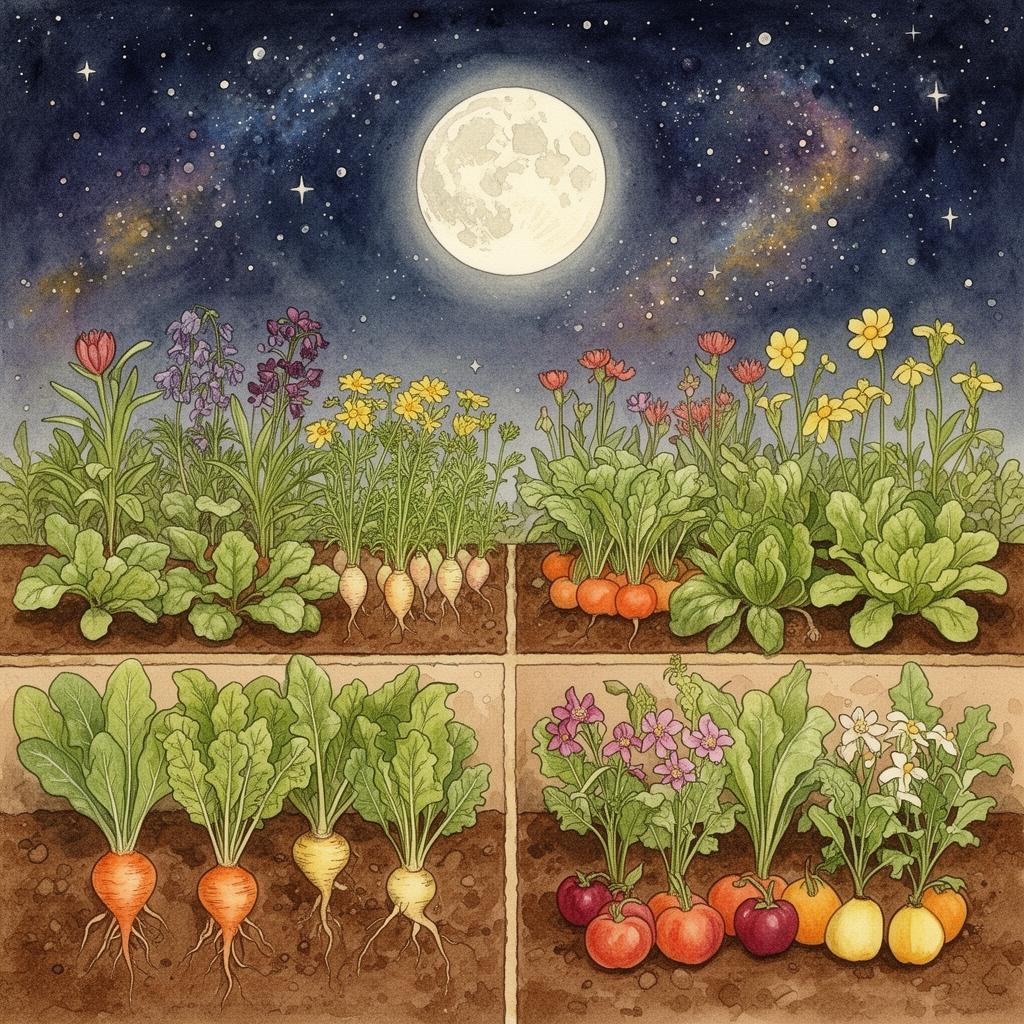
Sowing According to Maria Thun: The Cosmic Sowing Calendar for 2026
The Maria Thun calendar combines cosmic rhythms with practical gardening. Learn how to use root, leaf, flower and fruit days for optimal yields in Germany, Austria and Switzerland.
Read more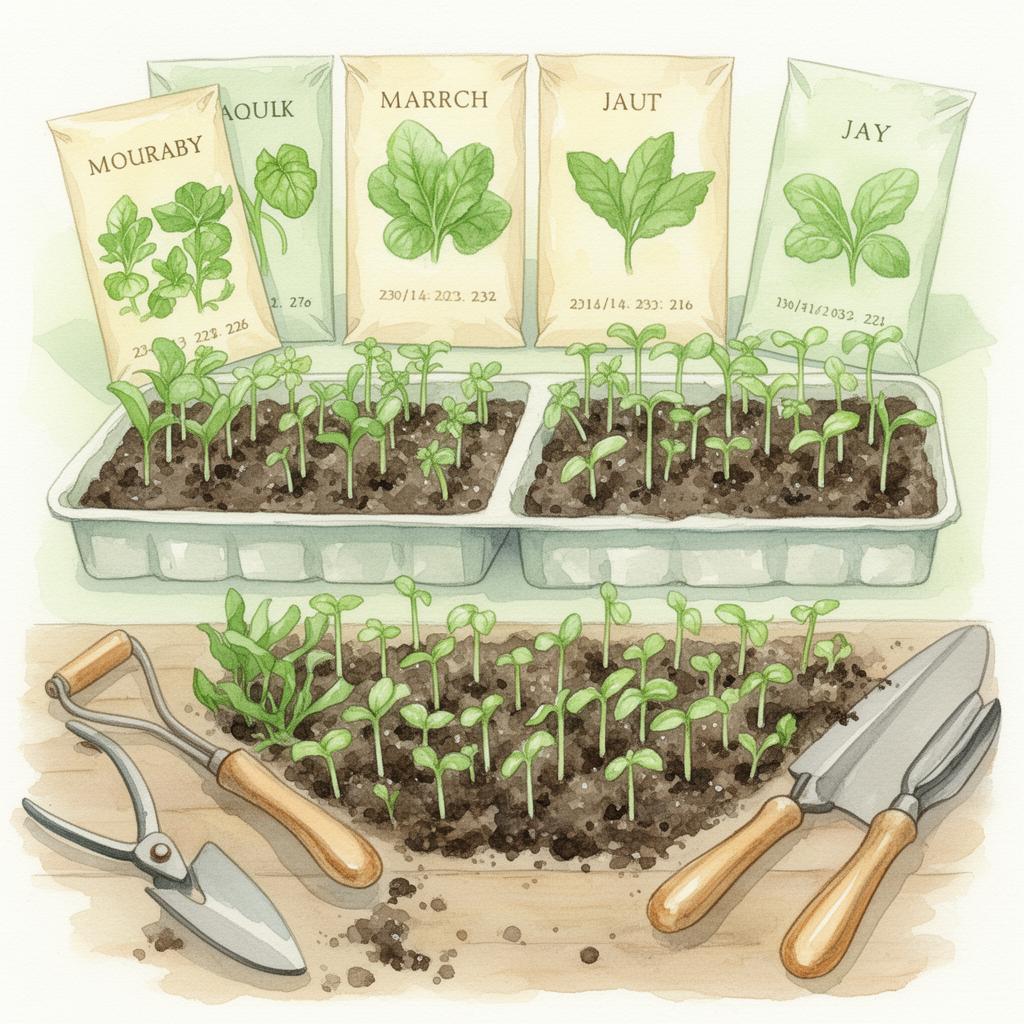
Sowing Calendar 2026: Month by Month to a Full Harvest
When do you sow, pre-grow and plant what? The sowing calendar guides you month by month – plus a free app that keeps every sowing and harvest window for your bed on track automatically.
Read more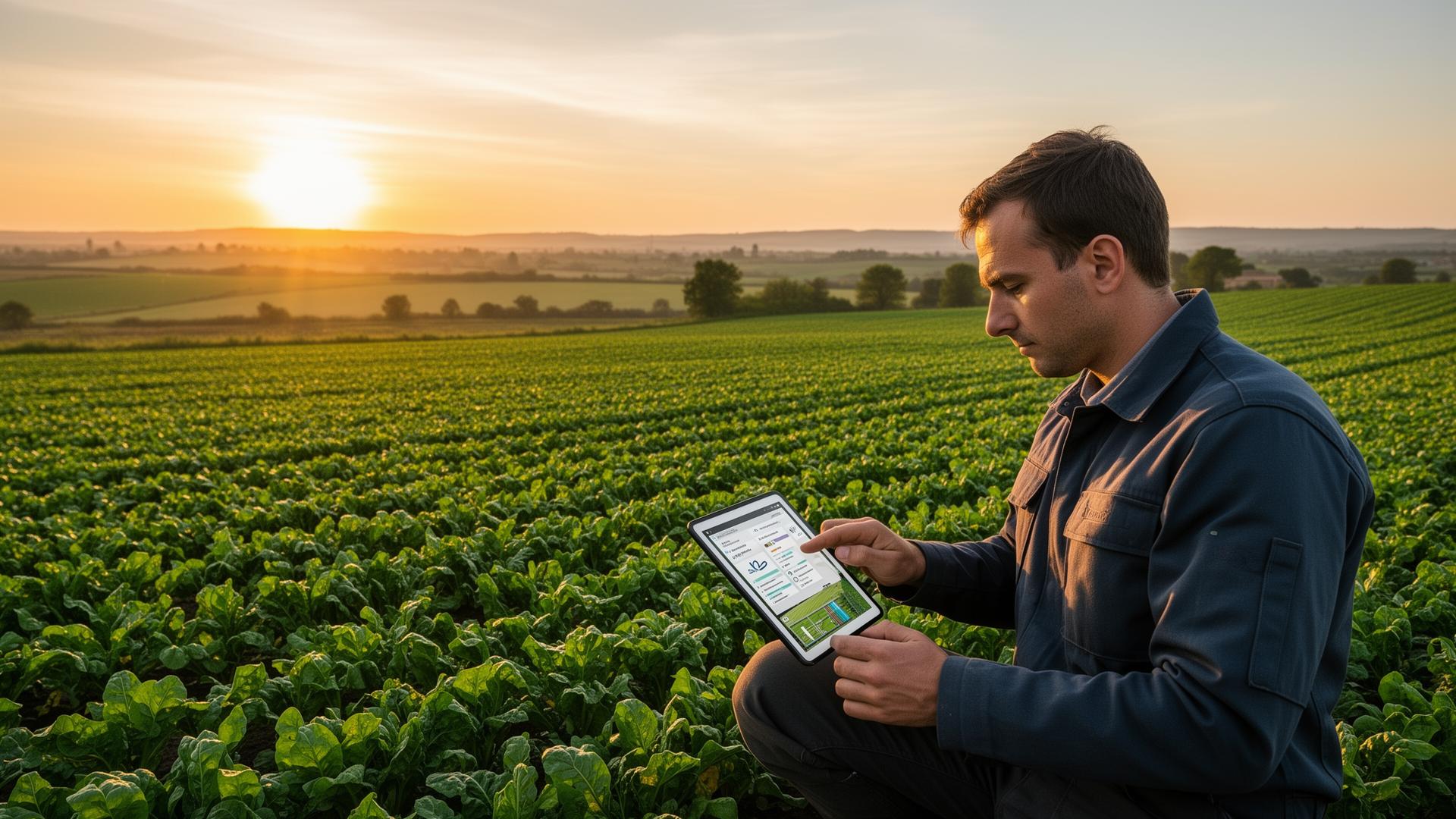
Digital Field Records 2026: How Modern Farmers Master Documentation and Organic Certification
The field record is the heart of every agricultural documentation. Learn how digital solutions replace paperwork, simplify organic audits and improve soil health at the same time.
Read more