Mastering Companion Planting: The 7 Best Plant Combinations for Maximum Yield
Why Companion Planting Is the Key to Healthy Gardens
Companion planting is far more than a trend - it is a cultivation method thousands of years old, based on natural synergies between plants. Combined correctly, plants protect each other from pests, improve the soil and boost the yield by up to 30 percent.
What Happens with Good Companion Planting?
- Allelopathy: Plants release substances through their roots that promote or inhibit neighbours
- Nutrient complementarity: Shallow and deep rooters share different soil layers
- Biological pest control: Scents confuse or repel pests
The 7 Best Combinations
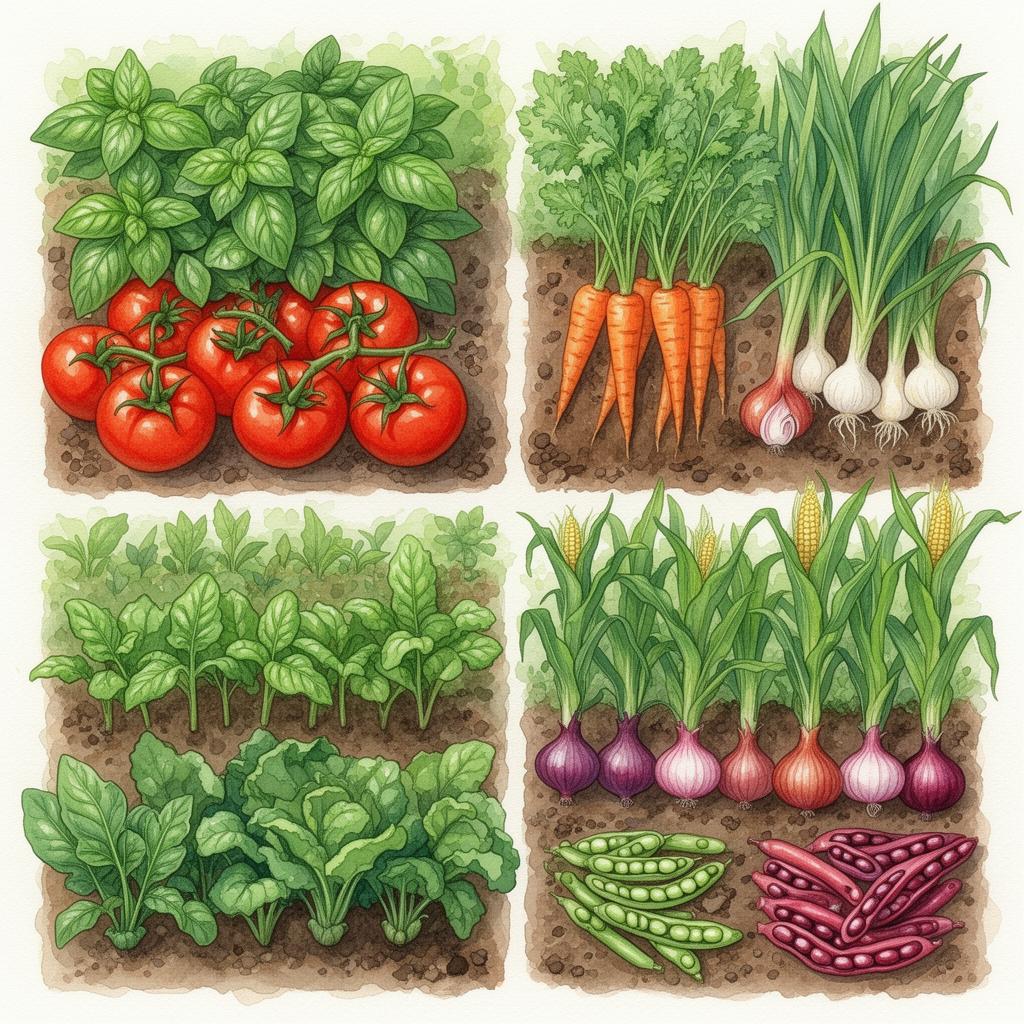
1. 🍅 Tomato + Basil + Carrot
The classic - and for good reason. Basil drives the whitefly away from tomatoes, while carrots loosen the soil. The essential oils of the basil have been shown to improve the flavour of the tomatoes.
Planting distance: Basil directly next to the tomato plant, carrots at a 20 cm distance.
2. 🥒 Cucumber + Dill + Sunflower
Dill attracts hoverflies, which eat aphids on cucumbers. Sunflowers serve as a natural windbreak and provide a climbing trellis.
Tip: Only sow dill once the cucumbers are already 15 cm tall.
3. 🥕 Carrot + Onion
The carrot fly avoids the onion smell, the onion fly avoids the carrot scent. A perfect symbiosis that has been practised for generations in cottage gardens.
Ratio: Alternating one row each.
4. 🌽 Corn + Bean + Squash (The "Three Sisters")
This indigenous cultivation method from Central America also works excellently in Central Europe:
- Corn provides a climbing frame for the beans
- Beans fix nitrogen in the soil
- Squash shades the soil and suppresses weeds
5. 🥬 Cabbage + Celery + Chamomile
Celery drives away the cabbage white butterfly with its intense smell. Chamomile strengthens the cabbage's resistance and promotes growth.
6. 🫛 Peas + Lettuce + Radish
Peas supply nitrogen for the nutrient-hungry lettuce. Radishes mark the rows and are harvested before the lettuce needs the space.
7. 🍓 Strawberries + Garlic + Borage
Garlic protects strawberries from grey mould, borage attracts pollinators and improves the soil structure with its deep taproots.
Plants That Do NOT Get Along
Just as important as knowing good neighbours is avoiding bad ones:
| ❌ Bad together | Reason |
|---|---|
| Tomato + Fennel | Fennel inhibits tomato growth |
| Bean + Onion | Onions disturb the nodule bacteria |
| Cucumber + Tomato | Different moisture requirements |
| Potato + Sunflower | Mutual growth inhibition |
How to Plan Your Companion Planting with PermaNatura
With the PermaNatura Harmony Check you see at a glance which plants harmonise in your bed. Simply place plants by drag & drop - the AI automatically evaluates the compatibility and gives optimisation suggestions.
Practical tip: Start with 2-3 combinations and observe the results for a season before you rearrange your entire bed.
Sources: Gertrud Franck "Gesunder Garten durch Mischkultur", Research Institute of Organic Agriculture (FiBL)
Comments (0)
Sign in to comment.
📖 You might also like
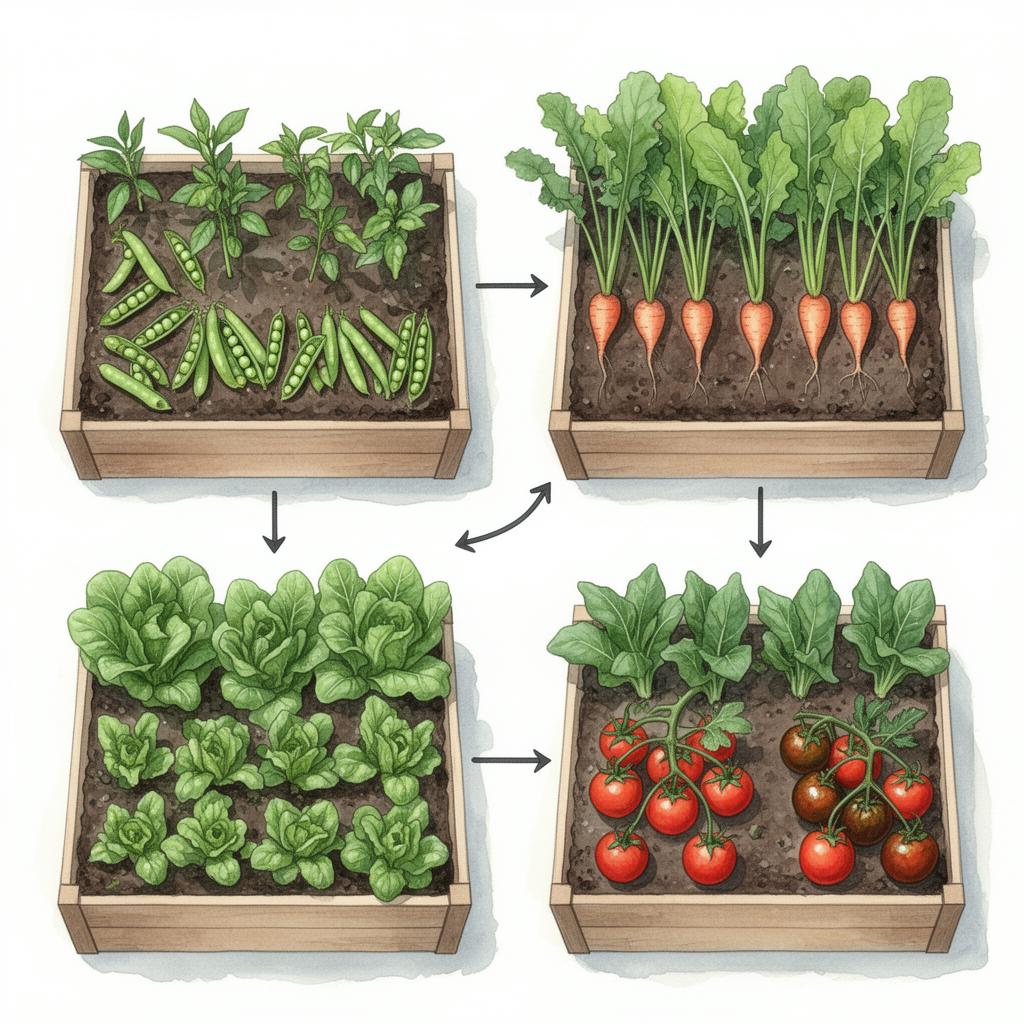
Which app to plan a vegetable garden? The honest 2026 comparison
You want to plan your vegetable beds digitally but aren't sure which app is right? This comparison shows what really matters – from companion planting and the sowing calendar to data privacy – and which type of gardener each solution suits.
Read more
Ozone Stress in the Garden 2026: The Invisible Heat Damage on Tomatoes, Beans and Leafy Greens
When heat, strong sun and stagnant air come together, ground-level ozone can damage plant cells. Learn how to recognise ozone stress, separate it from drought, and protect your beds.
Read more
Full Moon Meets Heatwave: What Your Garden Needs on This Special Night
Tonight the Moon is almost full – and the heatwave is still here. Two forces pull at the garden. What lunar tradition says, what the heat demands, and how to bring them together wisely.
Read more