Water Management in a Changing Climate: How to Make Your Garden Drought-Resistant
Water Management in a Changing Climate: How to Make Your Garden Drought-Resistant
Summers are getting hotter and droughts longer. In the DACH region, 2022, 2023, and 2025 were record years for drought. Anyone who wants to keep their garden productive over the long term needs a well-thought-out water strategy.
The Challenge: Facts and Figures
- 30–40% less summer rainfall in parts of Germany since 2018
- A vegetable bed needs around 20–30 litres/m² per week in midsummer
- Drinking water is already being rationed in many municipalities during summer
- 1 m² of unmulched soil loses up to 5 litres through evaporation on hot days
The 5 Pillars of Water Management
1. Collect Rainwater
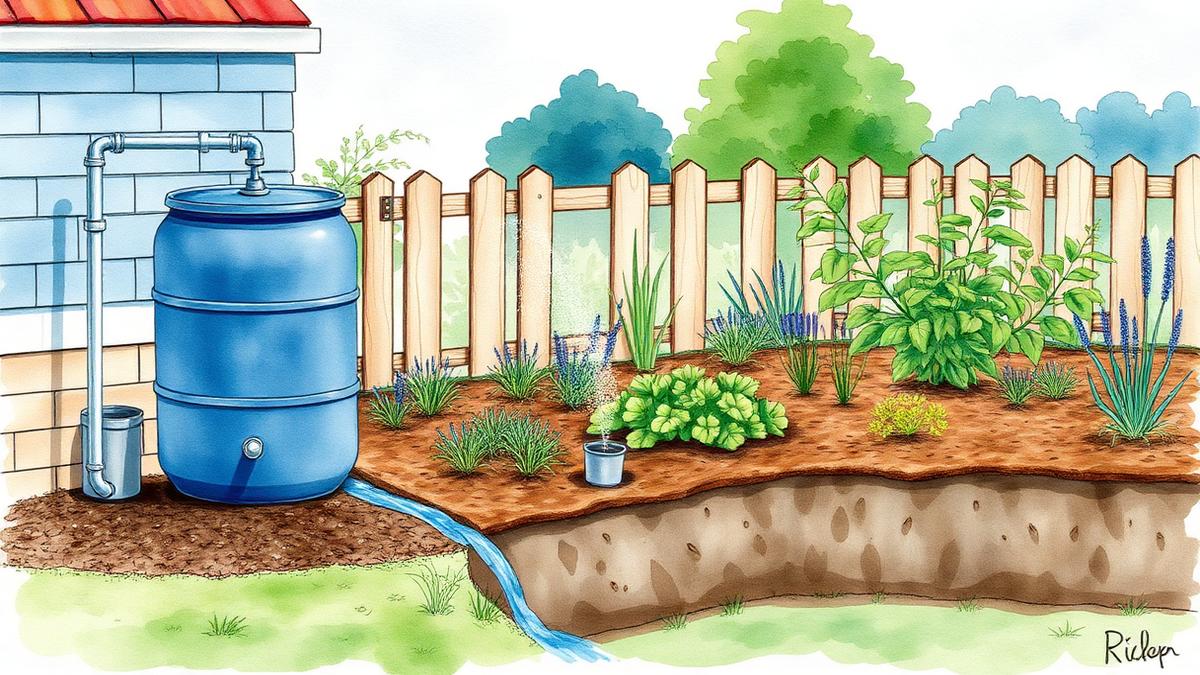
Every square metre of roof area delivers 600 litres of water per year at 600 mm of annual rainfall.
| Roof Area | Collected Volume/Year | Irrigated Area |
|---|---|---|
| 50 m² | 30,000 L | ~100 m² vegetables |
| 100 m² | 60,000 L | ~200 m² vegetables |
| 200 m² | 120,000 L | ~400 m² vegetables |
Practical Tips:
- IBC containers (1000 L) as a cost-effective solution
- Cistern for professional operations
- First-flush system to prevent contamination
- Divert overflow into an infiltration swale
2. Soil as a Water Reservoir
Humus-rich soil stores up to 20x its own weight in water.
Measures:
- Building humus: 1% more humus = 200,000 L/ha more storage capacity
- Compost: Incorporate 3–5 L/m² annually
- Green manure: Deep-rooting plants like alfalfa and oilseed radish loosen compacted soil
- Terra preta: Biochar as a long-term water reservoir
3. Mulching – the Simplest Measure
A 5–10 cm thick layer of mulch reduces evaporation by 50–70%.
| Material | Advantages | Disadvantages |
|---|---|---|
| Grass clippings | Nutrient-rich, free | Can rot, slugs |
| Straw | Long-lasting, reflects light | Can bind N, weed seeds |
| Wood chips | Very long-lasting, decorative | Binds nitrogen in the 1st year |
| Sheep's wool | Excellent reservoir, fertilises | Expensive, smells initially |
| Living mulch | Soil protection + harvest | Competition for water |
4. Efficient Irrigation
Ranking by efficiency:
- Drip irrigation – 90–95% efficiency, hardly any evaporation
- Soaker hose – 80–90% efficiency, easy installation
- Watering can – 70–80% efficiency, targeted but labour-intensive
- Sprinkler – 40–60% efficiency, high evaporation losses
Timing: Water in the morning between 5–8 a.m. Evening watering promotes fungal diseases.
5. Choose Drought-Resistant Varieties
Don't work against nature – work with it:
- Tomatoes: Bush varieties like "Rote Murmel" need less water than cordon tomatoes
- Potatoes: Harvest early potatoes before the drought arrives
- Lettuce: Asian greens and endives instead of head lettuce
- Herbs: Mediterranean herbs (rosemary, thyme, lavender) are naturally drought-resistant
Swale Design: Keeping Rainwater on the Land
Swales (infiltration ditches) are shallow trenches along the contour lines:
- Capture rainwater before it runs off
- Let it slowly seep into the soil
- Raise the groundwater level over the long term
- Ideal for permaculture zones 3–4
Water Management in PermaNatura
Water Consumption Metric
PermaNatura calculates a water efficiency score (0–100) based on:
- Irrigation frequency and method
- Mulching practices (documented as a measure)
- Water sources (rainwater vs. drinking water)
- Current weather data (automatically via API)
Weather Integration
The dashboard shows:
- Rain forecast for the coming days
- Recommendation: "Don't water today – 15 mm of rain expected tomorrow"
- Drought alert during several days of heat without rainfall
Documenting Measures
Irrigation measures are recorded as a field operation:
- Water volume and source
- Irrigation method
- Link to weather data
- Long-term analysis of consumption
GAEC Relevance
The GAEC (GLÖZ) standards increasingly call for water protection:
- GAEC 4: Buffer strips along watercourses
- GAEC 5: Erosion protection = indirect water protection
- GAEC 6: Soil cover during sensitive periods
Conclusion
Water management is no longer an option but a survival strategy in a changing climate. The combination of rainwater harvesting, building humus, mulching, and efficient irrigation can reduce water consumption by 60–80%. PermaNatura helps you plan, document, and analyse all measures over the long term.
Comments (0)
Sign in to comment.
📖 You might also like
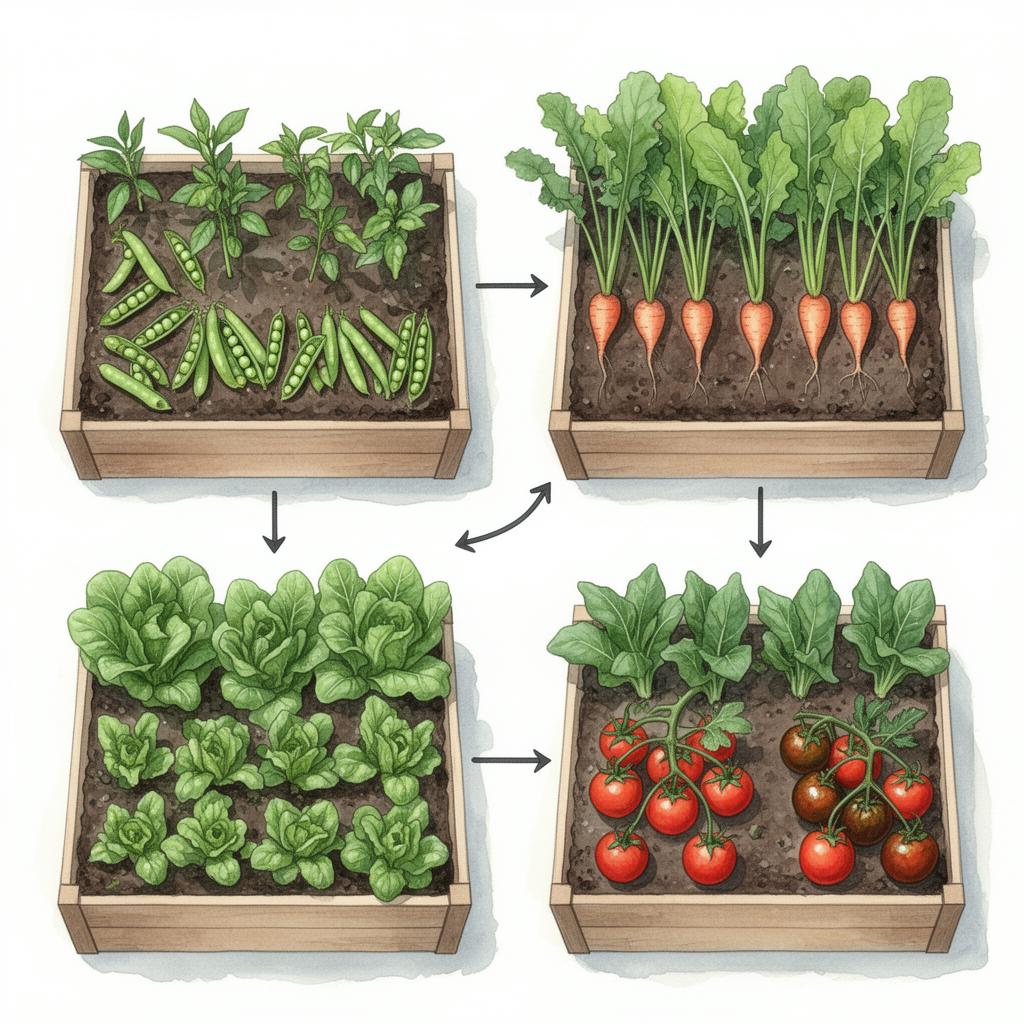
Which app to plan a vegetable garden? The honest 2026 comparison
You want to plan your vegetable beds digitally but aren't sure which app is right? This comparison shows what really matters – from companion planting and the sowing calendar to data privacy – and which type of gardener each solution suits.
Read more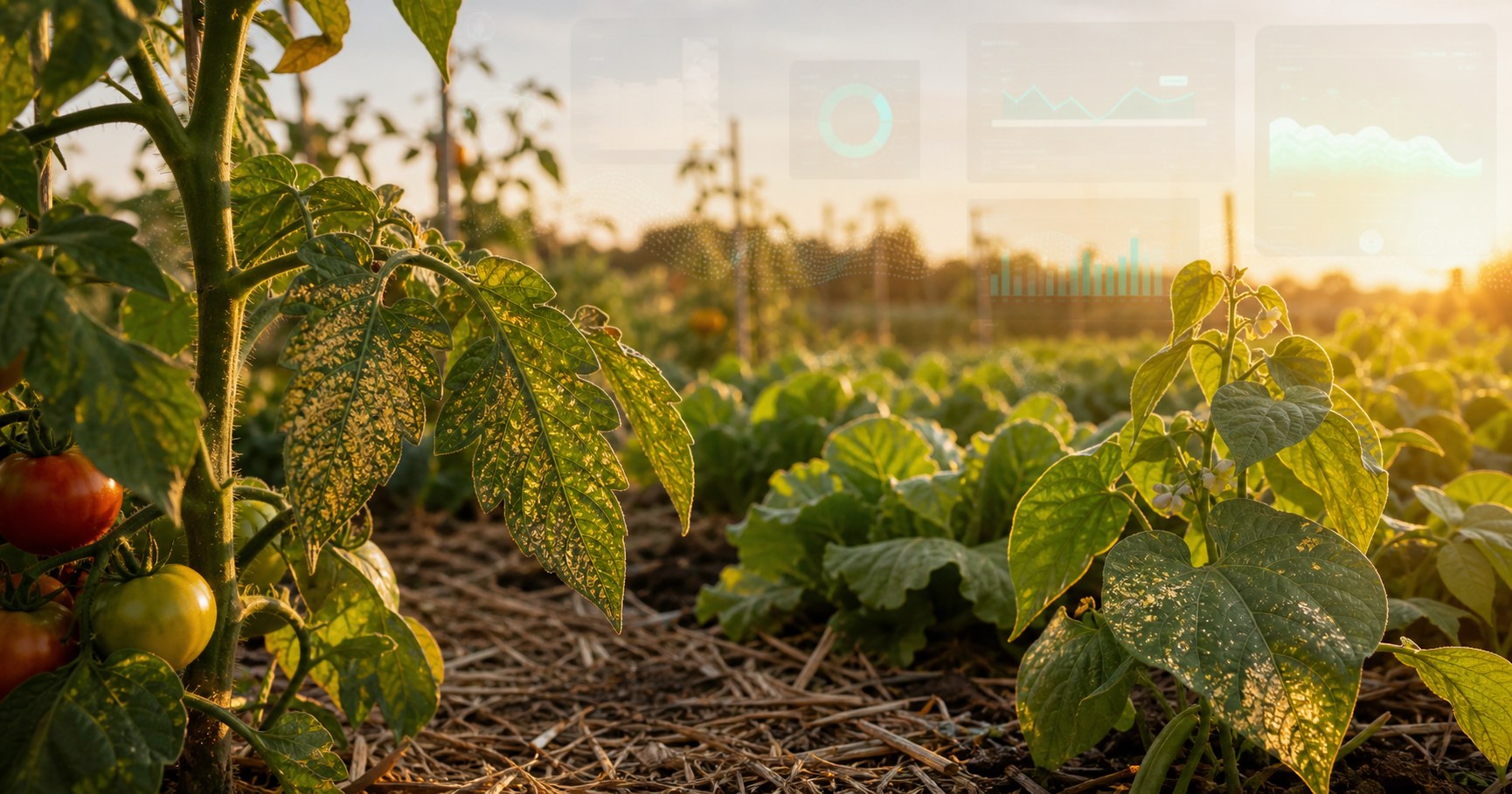
Ozone Stress in the Garden 2026: The Invisible Heat Damage on Tomatoes, Beans and Leafy Greens
When heat, strong sun and stagnant air come together, ground-level ozone can damage plant cells. Learn how to recognise ozone stress, separate it from drought, and protect your beds.
Read more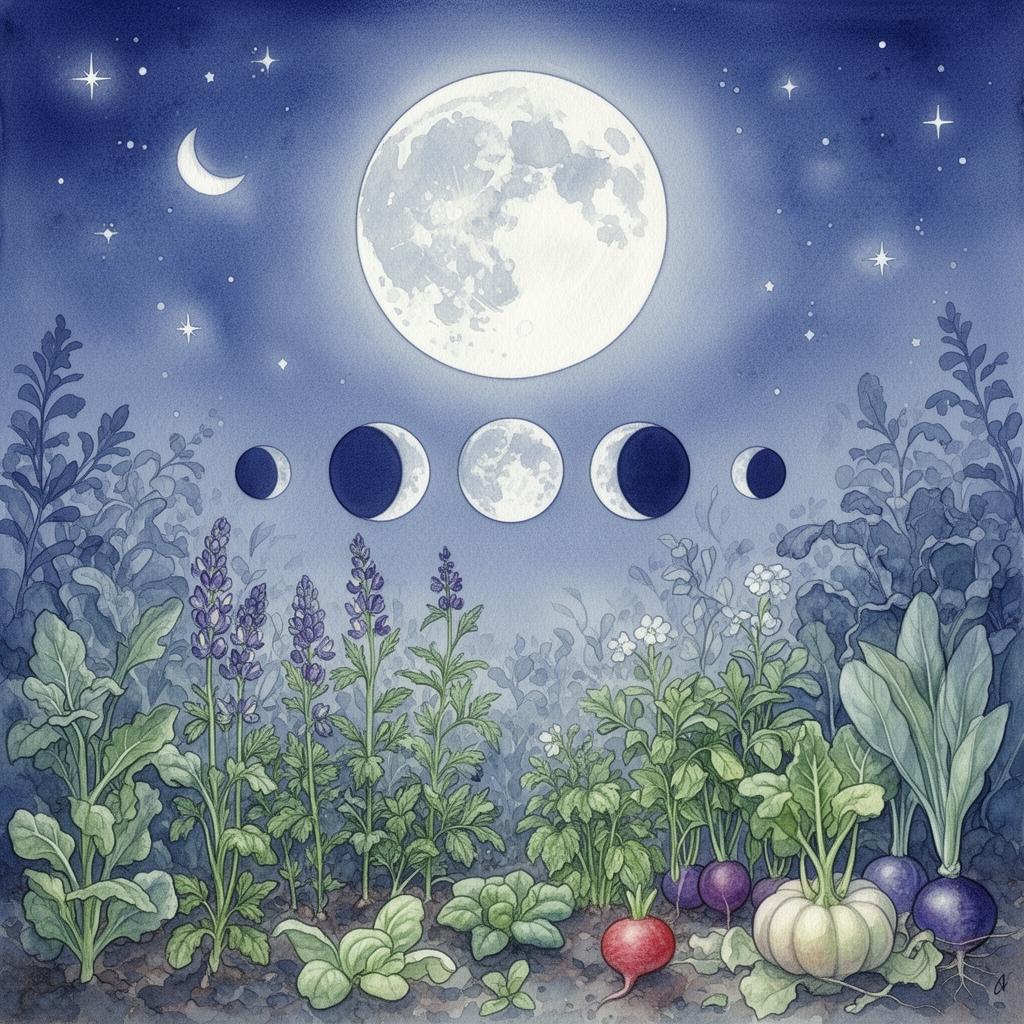
Full Moon Meets Heatwave: What Your Garden Needs on This Special Night
Tonight the Moon is almost full – and the heatwave is still here. Two forces pull at the garden. What lunar tradition says, what the heat demands, and how to bring them together wisely.
Read more