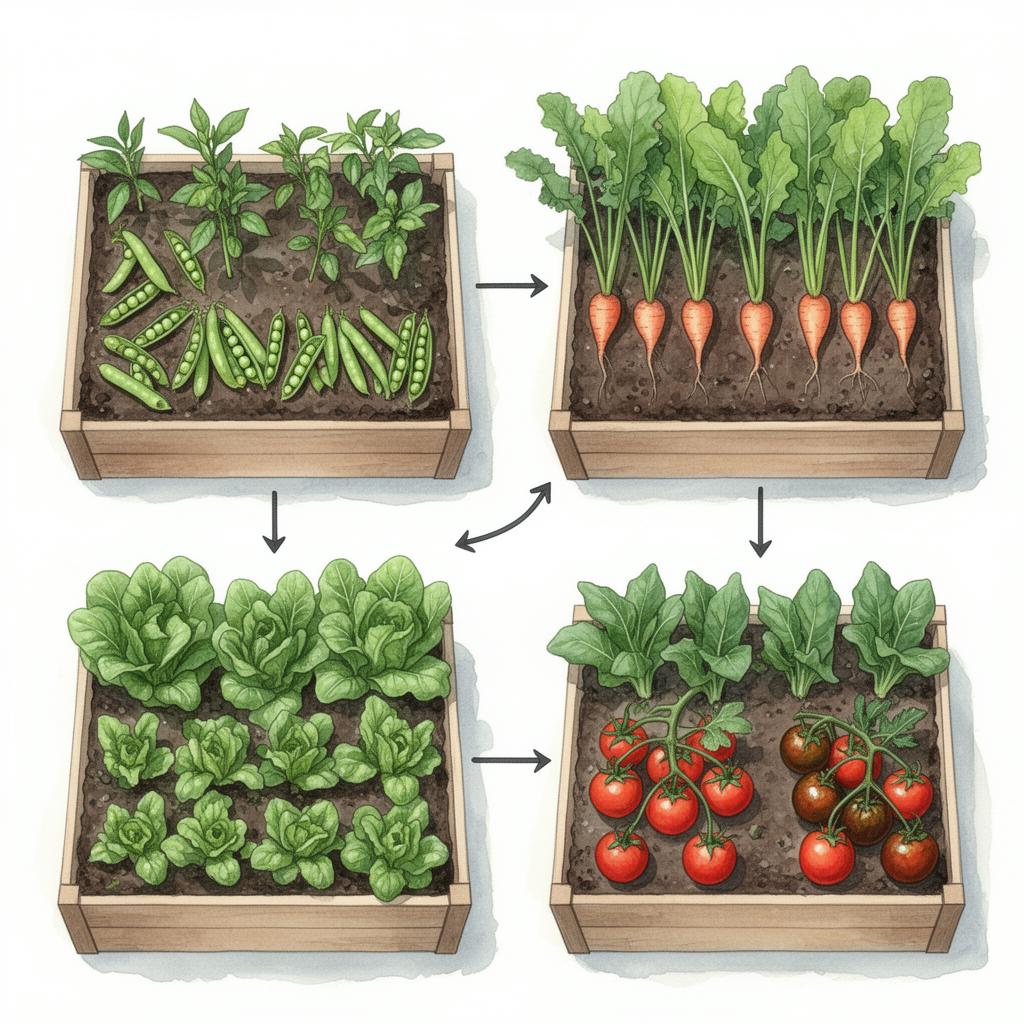
AI Cultivation Planning 2026: From Bed Plan to Confident Decision
AI Cultivation Planning 2026: From Bed Plan to Confident Decision
Good cultivation planning has always combined experience, observation and reliable records. What is new is that AI can now connect these pieces: it recognises patterns, highlights risks and suggests next steps that a single calendar or spreadsheet can easily miss.
The goal is not to automate every decision. The goal is to ask the right questions earlier.
Where traditional planning breaks down
Many gardens and farms still plan in separate tools: a sowing calendar, a weather app, a spreadsheet for crop rotation and notes kept in memory. That can work on a small scale and in a predictable season. Once several beds, changing crops, dry spells or documentation duties are involved, gaps appear quickly.
Common weak spots:
- good companion planting is planned, but crop rotation is overlooked
- sowing dates match the calendar, but not the current soil conditions
- work is done, but not documented in a usable way
- irrigation follows habit instead of site and weather data
- harvest expectations are estimated, but not compared with previous years
AI planning does not solve these problems by magic. It creates a structured workflow where data and experience can work together.
The five data layers behind a professional decision
1. Site and soil
Every recommendation starts with place: soil type, pH, humus level, sunlight, slope and water availability. Without that baseline, spacing, nutrient demand and irrigation remain rough assumptions.
2. Crop and neighbours
Companion planting is more than a list of good and bad neighbours. Nutrient demand, root depth, plant family, height, shading, pollination and pest pressure all matter. AI can weigh these factors and show conflicts before they are planted.
3. Crop rotation and soil recovery
Planning each year from scratch wastes soil potential. Crop rotation reduces nutrient imbalance, lowers disease pressure and stabilises yields. Digital planning makes it visible when plant families return too often to the same area.
4. Weather, water and seasonal windows
A sowing date only makes sense if temperature, moisture and frost risk match. In dry summers, water management becomes part of the plan: mulch, humus, drip irrigation and rainwater storage belong next to crop choice.
5. Documentation and evaluation
Decisions improve only when actions can be reviewed later. What was sown, fertilised, mulched, treated or harvested, and when? Which variety was reliable? Which combination failed? Without history, every season starts from zero.
A practical workflow
- Map your areas: Create beds, fields or zones with size, location and purpose.
- Maintain soil status: Record pH, humus, structure, nutrients and water retention.
- Define goals: Prioritise self-sufficiency, market crops, biodiversity, seed saving or audit-ready records.
- Check companions: Review neighbours, plant families and root depths before planting.
- Simulate rotation: Include previous years and avoid critical repetition.
- Use weather windows: Link sowing, planting, watering and care to real conditions.
- Document immediately: Record work at the bed or field, not weeks later.
- Review the season: Compare yield, losses, water use and workload.
Where AI is especially helpful
AI is strongest when many small signals meet: a dry site, a heavy feeder, an unfavourable previous crop, tight spacing and an upcoming heat event. Each factor may look harmless on its own. Together they can decide whether a bed remains stable or struggles.
Useful AI support includes:
- conflict warnings for companion planting and crop rotation
- suggestions for gap fillers and follow-on crops
- hints for water stress and mulching needs
- summaries of open care tasks
- evaluation across several seasons
What AI should not replace
Good AI is not a substitute for observation. It cannot feel compaction underfoot, smell anaerobic compost or know every local microclimate. The best planning happens when digital recommendations are checked against hands-on experience.
Test every recommendation with three questions:
- Does it fit my site?
- Does it fit my available resources?
- Can I document the action clearly afterwards?
Conclusion
AI cultivation planning is strongest when treated as a decision system, not a gimmick. It connects bed design, soil knowledge, companion planting, crop rotation, weather and documentation into one reliable workflow.
Planning then becomes more than a neat sketch: it becomes a learning system that improves every season.
With PermaNatura, you can plan beds, evaluate companion planting, track crop rotation and document work directly. Start for free.
Comments (0)
Sign in to comment.
📖 You might also like
Which app to plan a vegetable garden? The honest 2026 comparison
You want to plan your vegetable beds digitally but aren't sure which app is right? This comparison shows what really matters – from companion planting and the sowing calendar to data privacy – and which type of gardener each solution suits.
Read more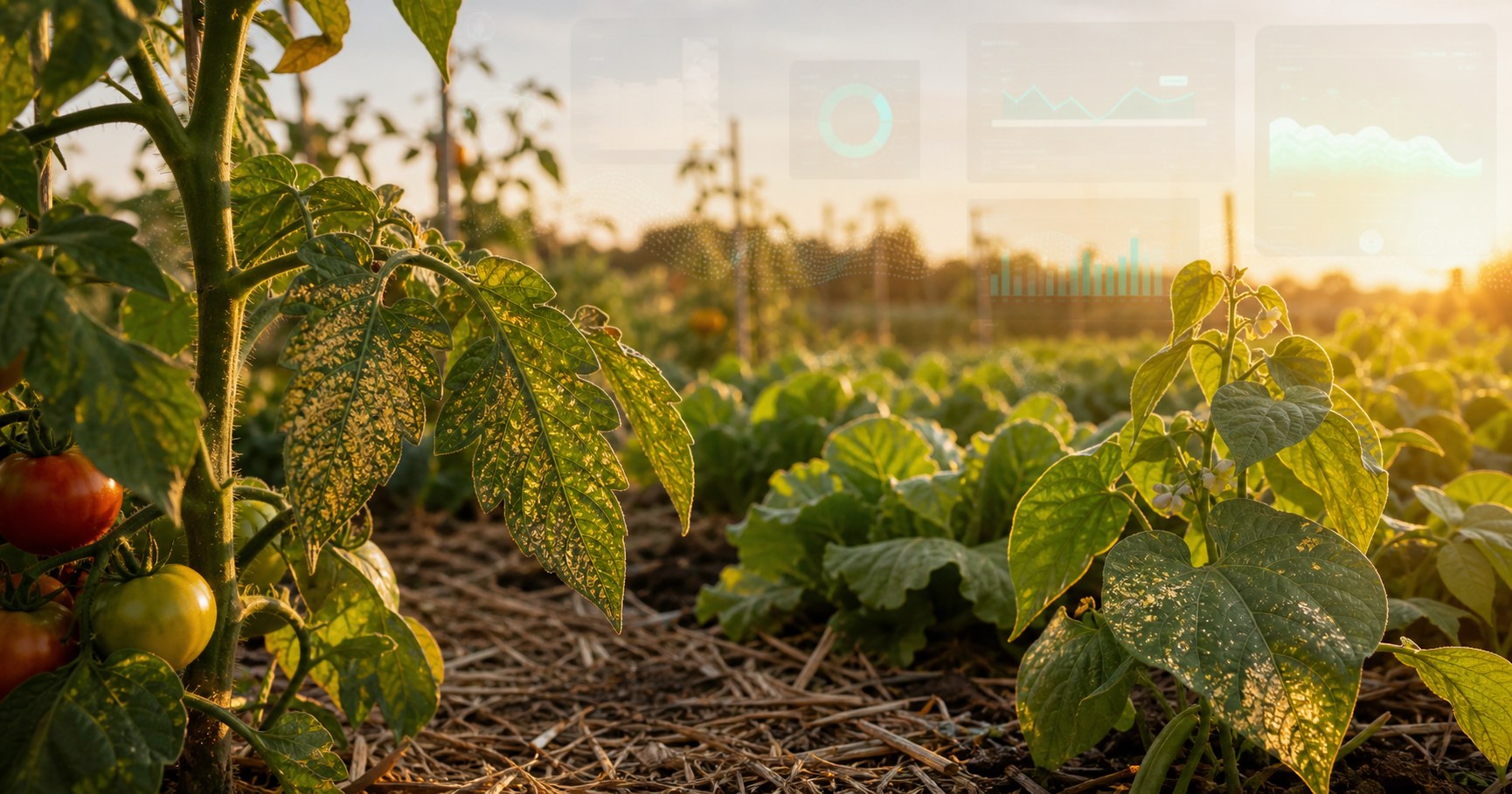
Ozone Stress in the Garden 2026: The Invisible Heat Damage on Tomatoes, Beans and Leafy Greens
When heat, strong sun and stagnant air come together, ground-level ozone can damage plant cells. Learn how to recognise ozone stress, separate it from drought, and protect your beds.
Read more
Full Moon Meets Heatwave: What Your Garden Needs on This Special Night
Tonight the Moon is almost full – and the heatwave is still here. Two forces pull at the garden. What lunar tradition says, what the heat demands, and how to bring them together wisely.
Read more