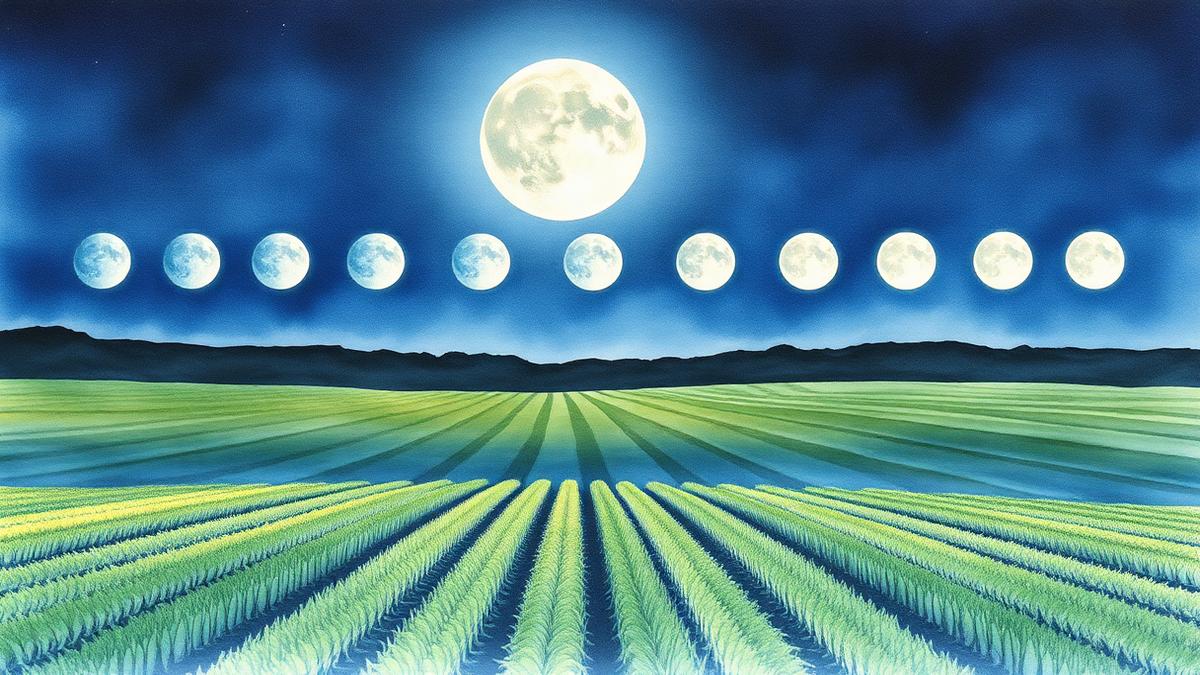
Lunar Calendar in Agriculture: Where Science Meets Tradition
Lunar Calendar in Agriculture: Where Science Meets Tradition
For centuries, farmers have timed their sowing, care, and harvest to the phases of the moon. What seems like esotericism to some has tangible significance for biodynamic farms - and PermaNatura makes this knowledge digitally usable.
The Basics: What the Moon Influences
The Four Moon Phases
| Phase | Effect | Recommended Tasks |
|---|---|---|
| New Moon | Resting phase, forces withdraw | Soil cultivation, turning compost |
| Waxing Moon | Sap rises, above-ground growth | Sowing leafy crops, planting |
| Full Moon | Maximum vitality | Harvesting medicinal herbs, fertilizing |
| Waning Moon | Forces decline, root growth | Harvesting root vegetables, pruning |
The Zodiac Signs According to Maria Thun
Maria Thun's research assigns four plant organs to the zodiac signs:
- 🔥 Fire days (Aries, Leo, Sagittarius) → Fruit plants (tomatoes, peppers)
- 🌍 Earth days (Taurus, Virgo, Capricorn) → Root plants (carrots, potatoes)
- 💨 Air days (Gemini, Libra, Aquarius) → Flowering plants (cauliflower, broccoli)
- 💧 Water days (Cancer, Scorpio, Pisces) → Leafy plants (lettuce, spinach)
What Does Science Say?
The scientific evidence is mixed, but not dismissive:
- Gravitational effects: The moon demonstrably influences tides and groundwater levels. Whether the effect on capillary water in the soil is relevant is still debated.
- Light effects: Moonlight can influence the germination of certain seeds (studies by the University of Basel, 2014).
- Practical experience: Demeter farms consistently report better storage life with moon-appropriate harvesting.
Lunar Calendar in PermaNatura
PermaNatura integrates lunar data automatically:
Automatic Calculation
The moon phases are calculated with astronomical precision using the Meeus algorithm - no simplified tables, but real astronomy.
Daily Recommendations
The Holistic Day Widget on the dashboard shows you every morning:
- Current moon phase and zodiac sign
- Recommended garden tasks for today
- Favorable and unfavorable time windows
Activity Documentation
Every field activity is automatically linked to the current moon phase. This way, you can evaluate across seasons whether moon-appropriate sowing really delivers better results for you.
Calendar Integration
In the seasonal calendar, you see moon phases and zodiac signs directly next to your planned appointments. Export via iCal to your standard calendar included.
Practical Tips for Beginners
- Start small: First test the lunar calendar with one crop (e.g., lettuce)
- Document: Use PermaNatura to link sowing and harvest data with moon phases
- Compare: Set up control beds that you manage independently of the moon
- Be patient: Observe at least 2-3 seasons before drawing conclusions
Pruning Trees and Fruit by the Moon
When pruning fruit trees, vines and hedges, the moon plays a particularly practical role. The traditional rule of thumb:
- The waning moon is the classic pruning time: the sap withdraws towards the roots, cuts bleed less and heal faster. Ideal for winter fruit-tree pruning and vine pruning in late winter.
- Root and leaf days (earth and water days) are considered favourable for shaping cuts; on fruit days one preferably prunes fruit trees to encourage fruiting.
- The waxing moon, by contrast, suits grafting and budding – here the rising sap is wanted so that scion and rootstock knit together quickly.
Important: The moon only sets the time window. Frost-free, dry days and the right point in the dormant season always take priority – a "perfect" moon day in hard frost achieves nothing.
Indispensable for Demeter Farms
For Demeter certification, the application of biodynamic preparations at specific cosmic constellations is mandatory. PermaNatura documents:
- Preparation application (500-508) with exact timestamp
- Stirring time and method
- Assignment to the moon phase and zodiac sign
This documentation is subject to verification during Demeter inspection.
Conclusion
Whether science or tradition - the lunar calendar offers a structured rhythm for gardening. PermaNatura makes it easy to integrate this knowledge into daily practice and to evaluate the results objectively.
Frequently Asked Questions About the Lunar Calendar
When do you sow by the lunar calendar? Leafy and above-ground crops on the waxing moon, root vegetables on the waning moon. On top of that you align sowing with the zodiac sign: leaf days for lettuce and spinach, fruit days for tomatoes, root days for carrots.
When do you prune fruit trees by the moon? Classically on the waning moon during dormancy, when cuts bleed less. A frost-free, dry day still remains decisive.
When are vines pruned by the lunar calendar? Vine pruning takes place in late winter on the waning moon, before the sap starts to flow. This way the vines bleed less after cutting.
What do fruit, root, leaf and flower days mean? Via the moon's zodiac sign they assign a plant group to each day (after Maria Thun): fire days = fruit, earth days = root, water days = leaf, air days = flower.
Is the effect of the lunar calendar scientifically proven? The evidence is mixed: gravitational and light effects are measurable, but a clear yield effect is not proven. Many farms value the lunar calendar above all as a reliable working rhythm.
Comments (0)
Sign in to comment.
📖 You might also like
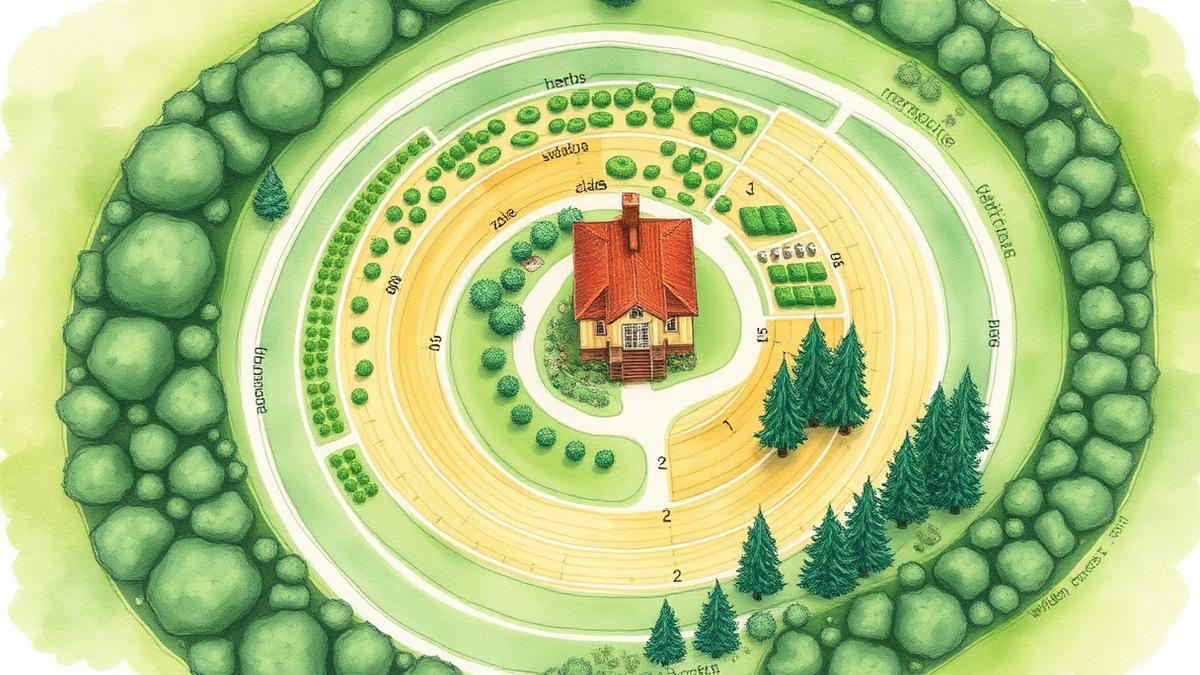
Permaculture Zones According to Mollison: How to Plan Your Property Efficiently
The zone model according to Bill Mollison is the heart of every permaculture plan. Learn how to apply Zone 0 to 5 on your property - from the balcony to the large-scale farm.
Read more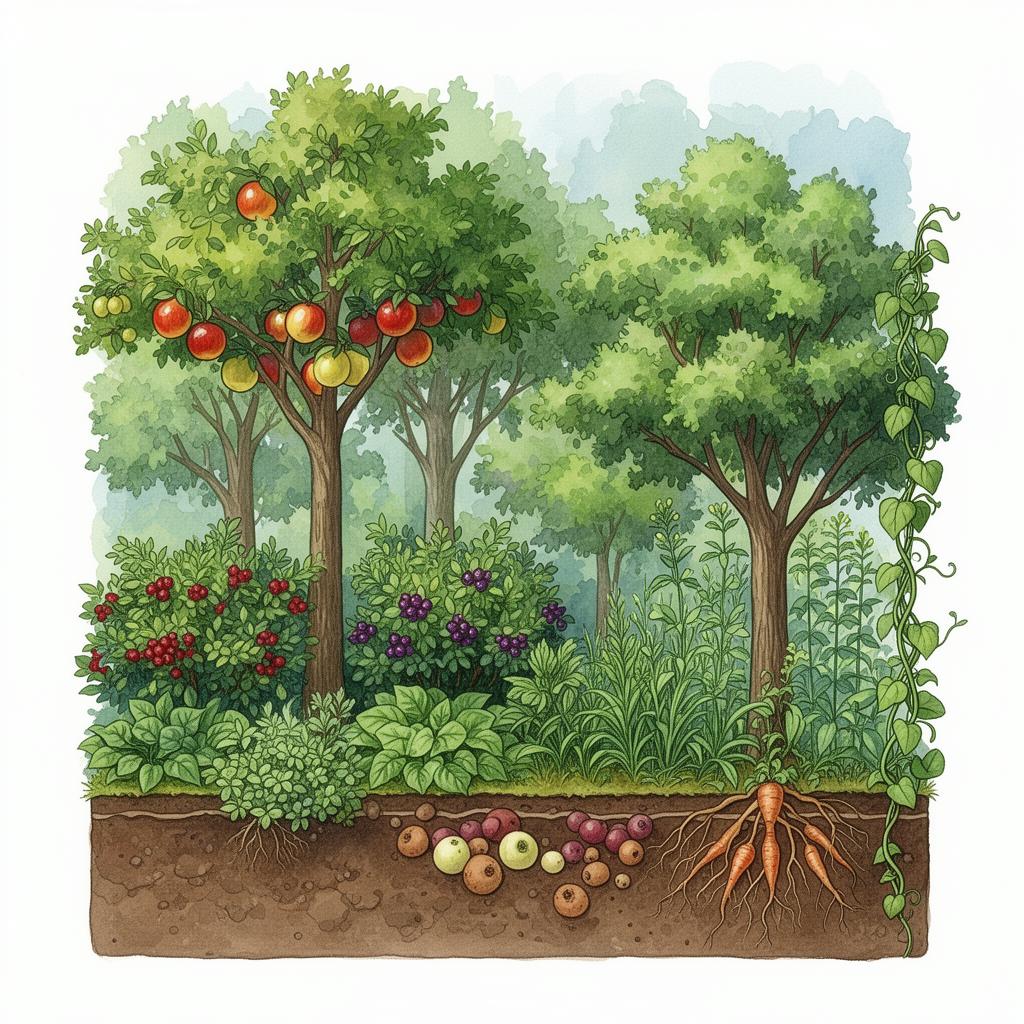
Creating a Forest Garden: Edible Landscapes Based on the Permaculture Principle
A forest garden combines fruit trees, berry bushes, perennials and ground covers into a productive ecosystem. Here is how to establish a food forest in Germany, Austria or Switzerland.
Read more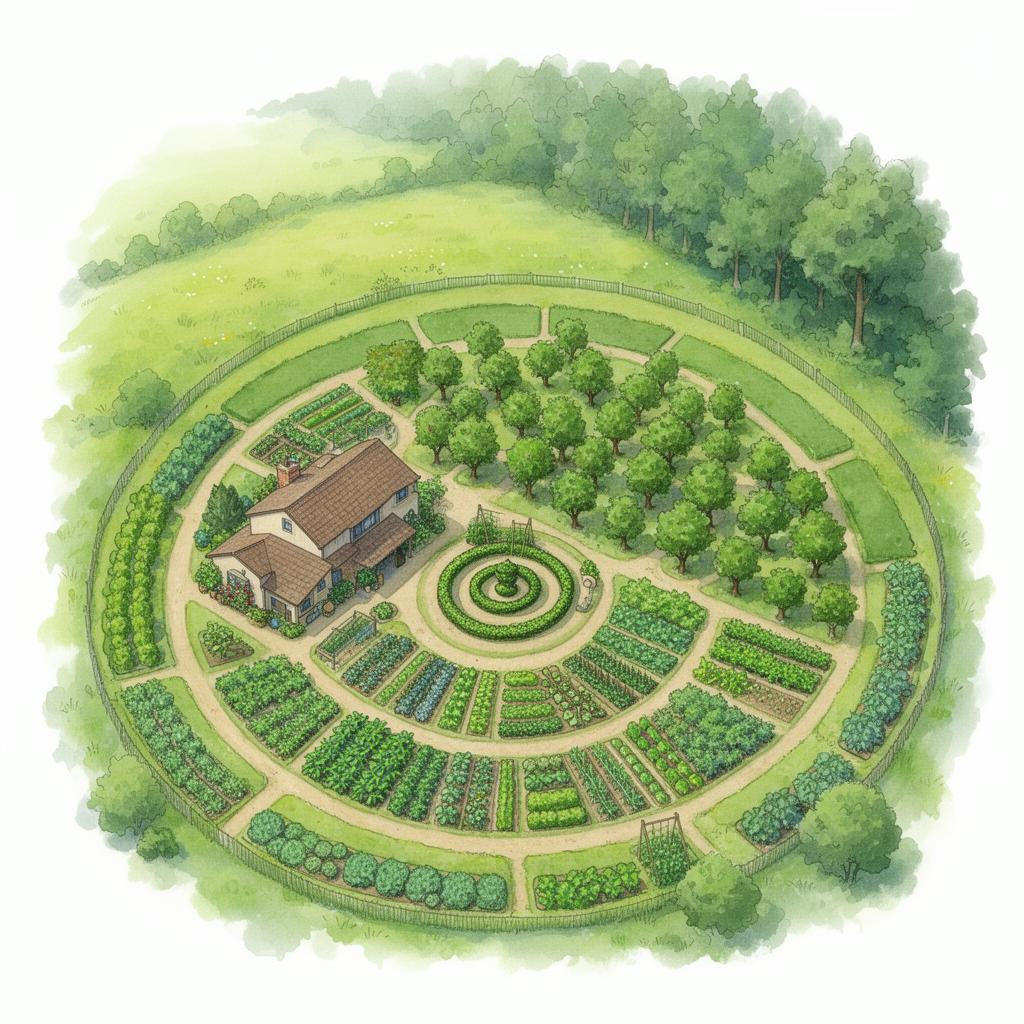
Understanding Permaculture Zones: From Zone 0 to Zone 5 – A Practical Guide
Bill Mollison's zone concept is the foundation of every permaculture design. Learn about the 6 zones and how to apply them to your garden in Germany, Austria or Switzerland.
Read more