Understanding and Promoting Soil Health: The Key to Sustainable Yields
Understanding and Promoting Soil Health: The Key to Sustainable Yields
A teaspoon of healthy garden soil contains more microorganisms than there are people living on Earth. This invisible army is your most important ally - and PermaNatura helps you understand and promote it.
What Makes Soil "Healthy"?
Soil health is more than nutrient content. It encompasses:
- Physical structure: Crumb structure, pore volume, water retention capacity
- Chemical balance: pH value, nutrient availability, cation exchange capacity
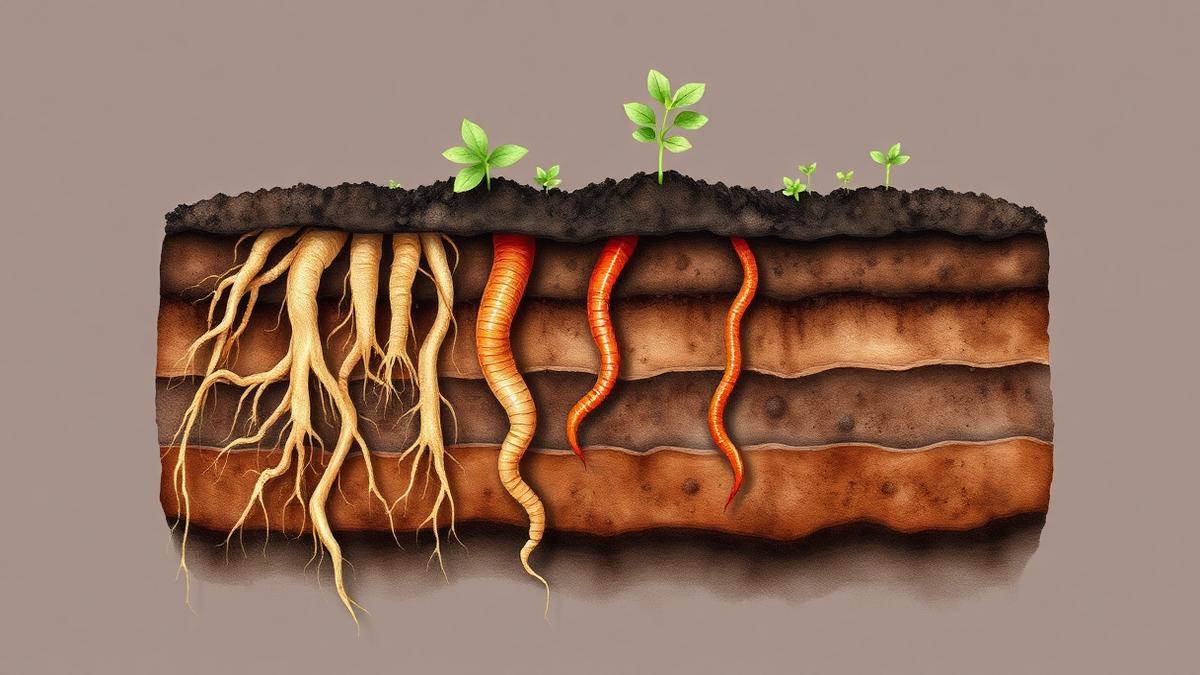
- Biological activity: Earthworms, mycorrhiza, bacteria, fungi
The 5 Most Important Soil Parameters
1. pH Value (Soil Reaction)
| pH Range | Assessment | Suitable For |
|---|---|---|
| < 5.5 | Strongly acidic | Blueberries, rhododendron |
| 5.5 – 6.5 | Slightly acidic | Potatoes, strawberries |
| 6.5 – 7.2 | Optimal | Most vegetable types |
| 7.2 – 8.0 | Alkaline | Lavender, asparagus |
2. Humus Content
The engine of your soil. Humus stores water, nutrients, and CO₂:
- < 2%: Urgently build up (compost, green manure)
- 2–4%: Good, continue to promote
- > 4%: Excellent - typical of long-cultivated permaculture areas
3. Nitrogen (N)
Important for leaf growth. Legumes (beans, clover) fix nitrogen from the air. The crop rotation planning in PermaNatura takes this into account automatically.
4. Phosphorus (P)
Essential for root formation and flowering. Often present in the soil but blocked by an incorrect pH value.
5. Potassium (K)
Strengthens resistance to frost and disease. Wood ash and compost provide natural potassium.
Soil Analysis with PermaNatura
Digital Soil Sample Management
PermaNatura stores all analysis results in a structured way:
- pH value, N-P-K, calcium, magnesium
- Humus content and organic matter
- Soil type and laboratory findings
- Historical development over years
Automatic Recommendations
Based on your soil analyses, PermaNatura generates:
- Liming recommendations for too low a pH
- Compost quantities for humus build-up
- Green manure suggestions suited to the season
- Planting recommendations that match the soil
Trend Analysis
Across multiple seasons, PermaNatura shows you:
- Development of the pH value
- Change in humus content
- Effectiveness of your measures
7 Strategies for Better Soil
1. Mulching
A 5–10 cm thick layer of mulch protects against drying out, promotes soil organisms, and suppresses weeds. Water consumption drops by up to 50%.
2. Compost
The best single measure: 3–5 liters per m² per year. PermaNatura documents compost applications as a measure in the audit system.
3. Green Manure
Sow phacelia, mustard, or clover during gap periods. Nitrogen fixation, root penetration, and erosion protection in one.
4. Crop Rotation
Heavy feeders → medium feeders → light feeders → green manure. PermaNatura plans this automatically and warns against repetition errors.
5. Minimal Soil Cultivation
Don't dig, loosen instead. Earthworm channels and mycorrhiza networks are preserved.
6. Mixed Cultivation
Different root depths use different soil layers. The harmony analysis in PermaNatura optimizes plant combinations.
7. Promote Soil Life
No synthetic pesticides, no over-fertilization. Effective microorganisms (EM) and biochar as boosters.
GAEC Relevance for Farms
The GAEC standards 2026 explicitly require:
- GAEC-5: Erosion protection through soil cover
- GAEC-6: Minimum soil cover during sensitive periods
- GAEC-7: Crop rotation on arable land
PermaNatura documents all measures automatically and shows in the audit center whether you meet the requirements.
Conclusion
Soil health is not a state but a process. With systematic analysis, targeted measures, and long-term documentation in PermaNatura, you build more valuable soil season after season - for better harvests and a more sustainable ecosystem.
Comments (0)
Sign in to comment.
📖 You might also like
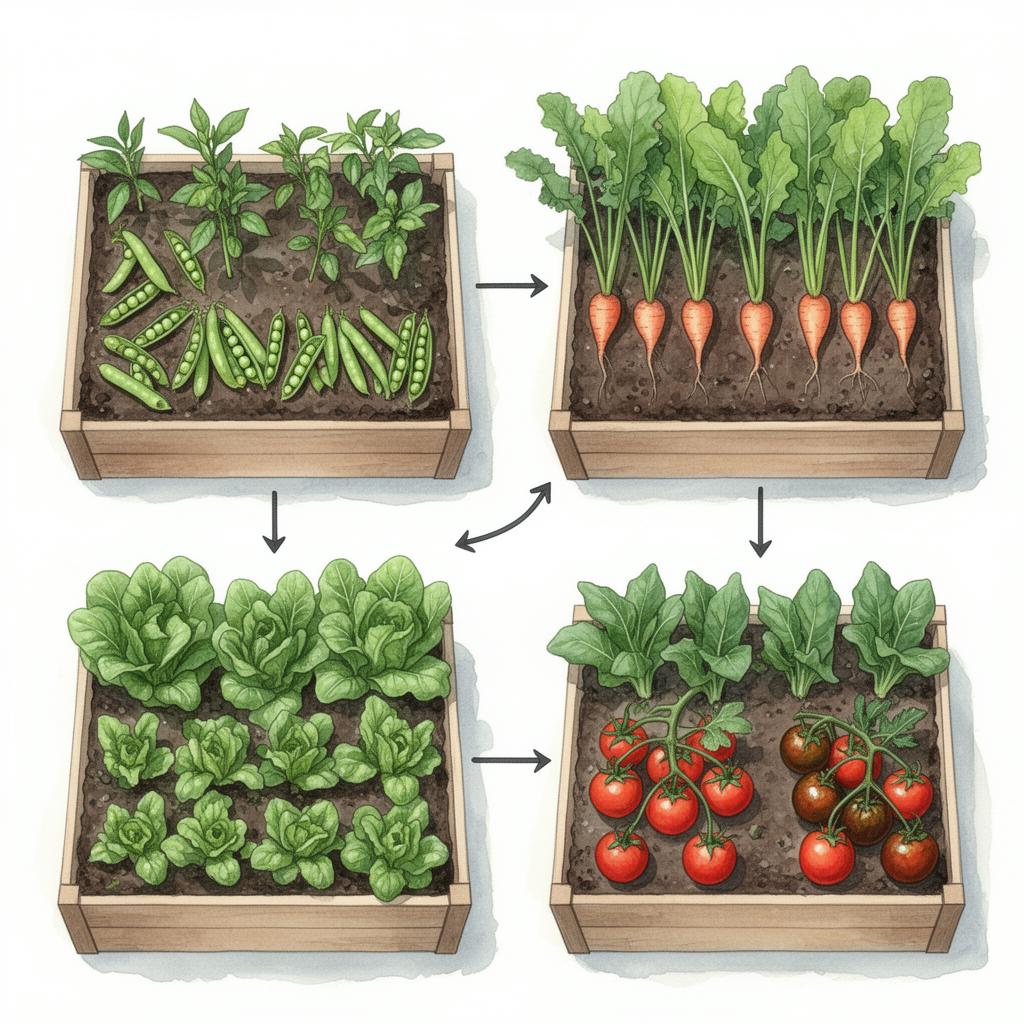
Which app to plan a vegetable garden? The honest 2026 comparison
You want to plan your vegetable beds digitally but aren't sure which app is right? This comparison shows what really matters – from companion planting and the sowing calendar to data privacy – and which type of gardener each solution suits.
Read more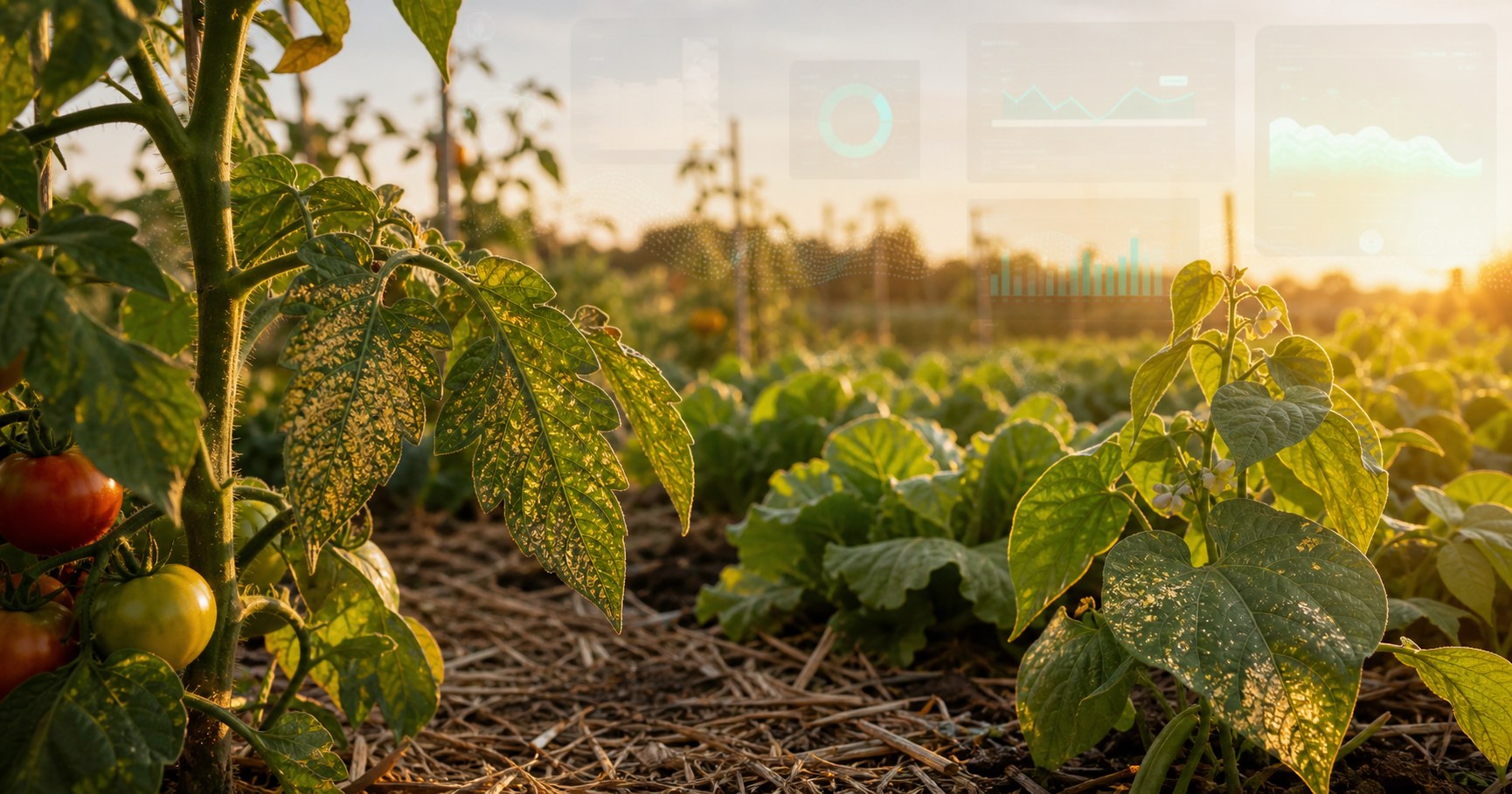
Ozone Stress in the Garden 2026: The Invisible Heat Damage on Tomatoes, Beans and Leafy Greens
When heat, strong sun and stagnant air come together, ground-level ozone can damage plant cells. Learn how to recognise ozone stress, separate it from drought, and protect your beds.
Read more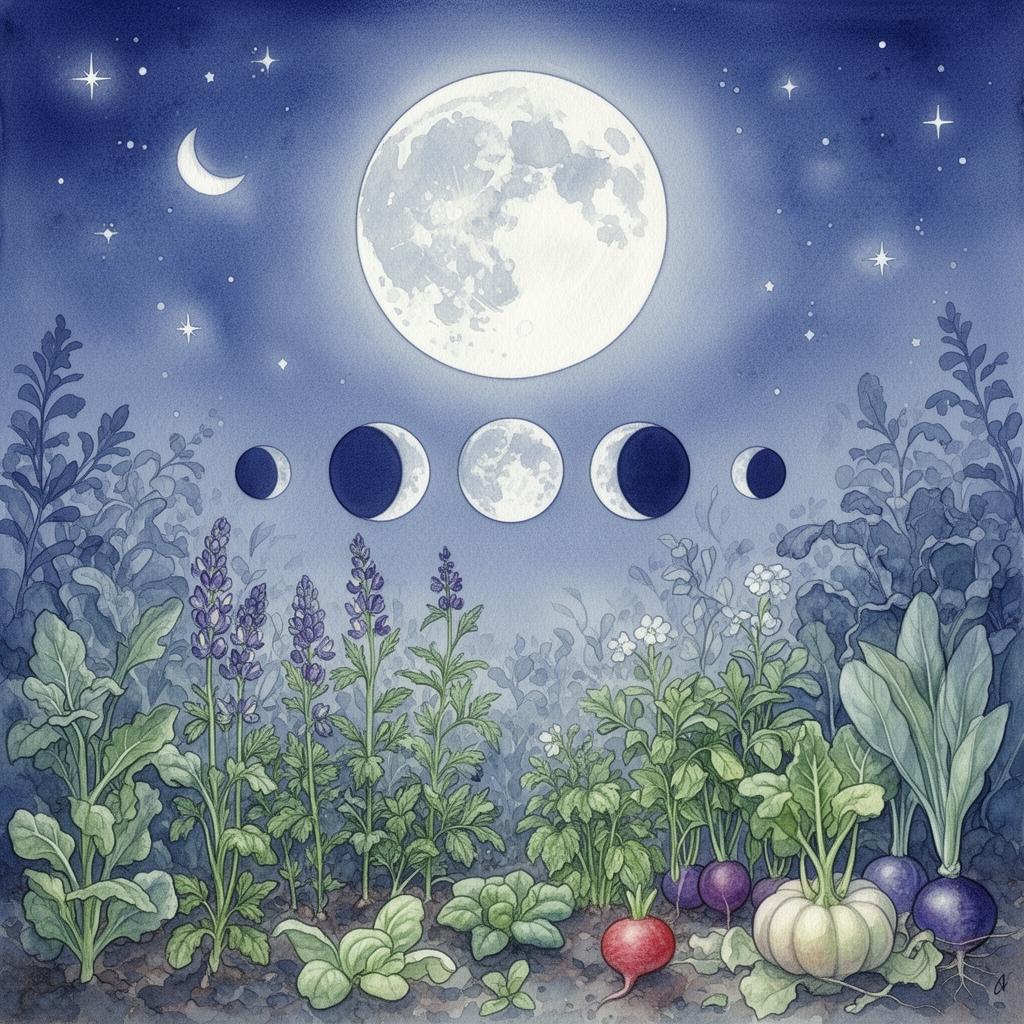
Full Moon Meets Heatwave: What Your Garden Needs on This Special Night
Tonight the Moon is almost full – and the heatwave is still here. Two forces pull at the garden. What lunar tradition says, what the heat demands, and how to bring them together wisely.
Read more