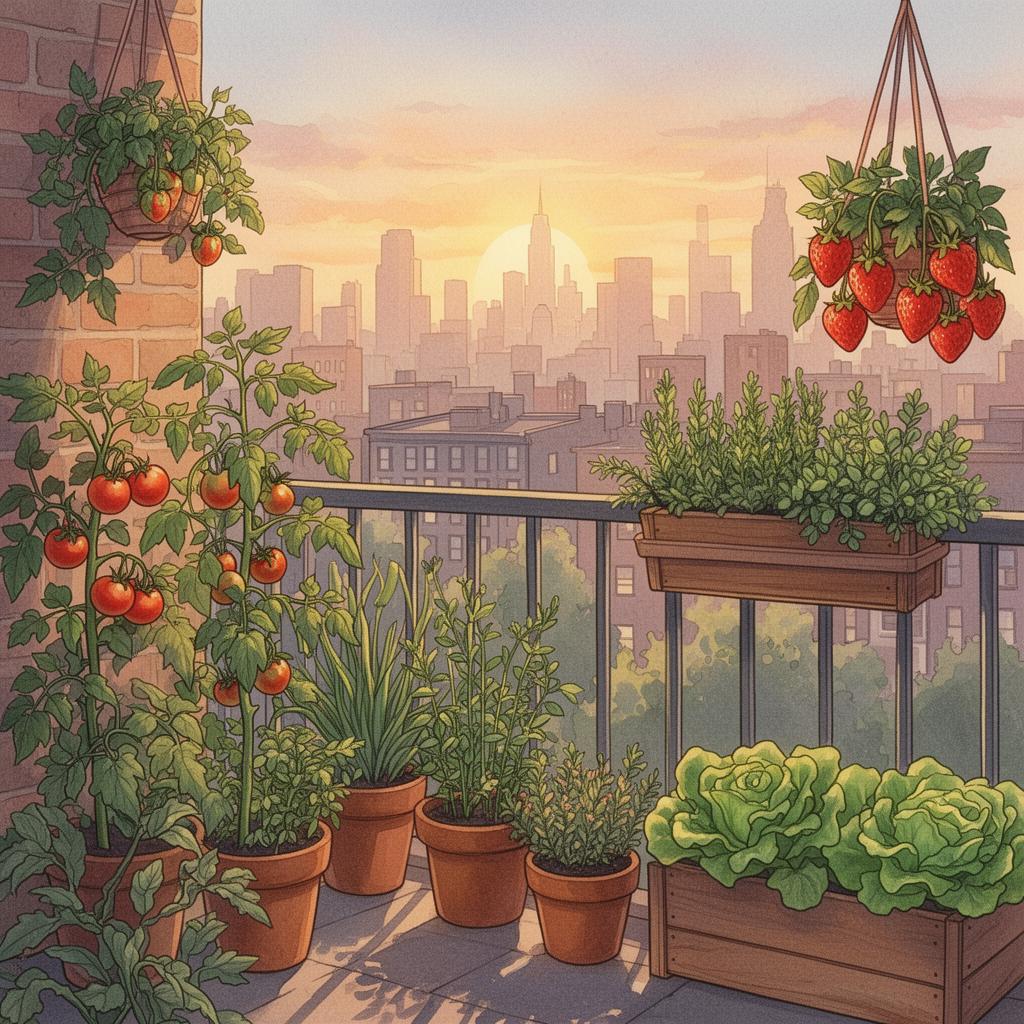
From Balcony to Self-Sufficiency: A Realistic 3-Year Plan
Year 0: The Starting Point
Lisa and Thomas live in a 70 m² apartment in Vienna's Ottakring district. A southwest-facing balcony, 6 m². No garden, no experience. But the desire to buy less plastic-wrapped vegetables from the supermarket. A typical starting point for many people in Germany, Austria and Switzerland.
What they had:
- 6 m² balcony (southwest, 5h of sun in summer)
- Budget: €150 to start
- Motivation: Fresh herbs and "a few tomatoes"
Year 1: The Balcony Start (6 m²)
The Investment
| Item | Cost |
|---|---|
| 3 balcony planters (80 cm) | €35 |
| 2 large pots (40 L) | €28 |
| Organic soil (80 L) | €22 |
| Seeds (Demeter) | €18 |
| Trellis for tomatoes | €12 |
| Watering can + saucers | €15 |
| Total | €130 |
What they grew
Herbs (planter 1): Basil, parsley, chives, dill Salad (planter 2): Cut-and-come-again lettuce, arugula, Asian mix Radishes (planter 3): Resow every 3 weeks Tomatoes (pot 1): 2x 'Balkonstar' – compact bush tomato Peppers (pot 2): 1x 'Yolo Wonder', 1x chili
The harvest in the first year
- Herbs: ~2 kg (market value approx. €60)
- Salad: ~3 kg from 4 sowings
- Radishes: ~1.5 kg from 5 sowings
- Tomatoes: 4.2 kg (disappointing – too little fertilizer)
- Peppers: 1.8 kg
Total: ~12.5 kg – not much, but the herbs alone almost recouped the investment.
Mistakes in the first year
- Started too late (May instead of starting seedlings in March)
- Too little fertilizer – potted plants need liquid fertilizer weekly
- No system – never knew when to sow what
Solution: Lisa discovered PermaNatura and set up her balcony as her first project. The reminder function helped her keep to the resowing intervals.
Year 2: Adding an Allotment Garden (45 m²)
In the autumn of the first year, they obtained an allotment garden plot in the "Am Heuberg" allotment colony – 45 m² of usable area, typical for allotments in Vienna, Berlin, Hamburg or Zurich.
The layout (according to permaculture zones)
- Zone 1 (at the entrance, 8 m²): Herb spiral + 2 raised beds for lettuce and radishes
- Zone 2 (middle, 25 m²): 6 vegetable beds of 1.2 x 3 m for tomatoes, zucchini, beans, carrots, chard, kohlrabi
- Zone 3 (back, 12 m²): 3 berry bushes (currant, raspberry, gooseberry) + compost
New investments in Year 2
| Item | Cost |
|---|---|
| Raised bed material (2x) | €120 |
| Soil + compost | €65 |
| Seeds + young plants | €45 |
| Garden tools | €80 |
| Fleece + mulch material | €25 |
| Total | €335 |
Harvest Year 2
- Tomatoes: 28 kg (8 plants, well fertilized!)
- Zucchini: 15 kg (2 plants are enough for a family)
- Salad/herbs: 12 kg (balcony + allotment)
- Carrots: 8 kg
- Beans: 6 kg
- Berries: 4 kg (bushes still young)
- Rest: 9 kg (kohlrabi, chard, radishes)
Total: ~82 kg – market value approx. €280 at organic prices.
Documentation in PermaNatura
Thomas used PermaNatura intensively:
- Companion planting planner: Which plants go next to each other? → Tomatoes next to basil ✓, tomatoes next to potatoes ✗
- Crop rotation tracking: Where was what last year? → No nightshades two years in a row
- Harvest documentation: Exact kg figures per bed → comparison over the years
Year 3: Optimization and 40% Self-Sufficiency
What changed
- Starting seedlings from February on the windowsill (thanks to the seasonal calendar)
- Green manure in winter (phacelia) → better soil
- Consistent mulching → less watering, fewer weeds
- Companion planting systematically following PermaNatura recommendations
Harvest Year 3
Total: ~140 kg – of which 65 kg vegetables, 40 kg tomatoes/peppers/zucchini, 18 kg herbs/salad, 17 kg berries and fruit.
For a 2-person household that buys ~350 kg of vegetables per year, that corresponds to 40% self-sufficiency during the season (April–October). In winter the share drops to ~10% (storage vegetables, preserves).
Total costs over 3 years
| Cost | Harvest (organic market value) | |
|---|---|---|
| Year 1 | €130 | ~€40 |
| Year 2 | €335 | ~€280 |
| Year 3 | €95 (only seeds/fertilizer) | ~€480 |
| Total | €560 | ~€800 |
From Year 3 on, the system is profitable – and that's without factoring in the value of fresh air, exercise and the taste of a sun-ripened tomato.
Tips for Your Start
- Start small: A balcony planter with herbs is enough for week 1
- Plan digitally: Use PermaNatura for crop rotation and companion planting
- Local seeds: Buy from regional suppliers in Germany, Austria or Switzerland (e.g. Arche Noah, Bingenheimer Saatgut, Sativa Rheinau)
- Use the community: Share experiences in the PermaNatura community
- Document everything: You can only improve what you measure
Start your own self-sufficiency project. Try PermaNatura for free.
Comments (0)
Sign in to comment.
📖 You might also like
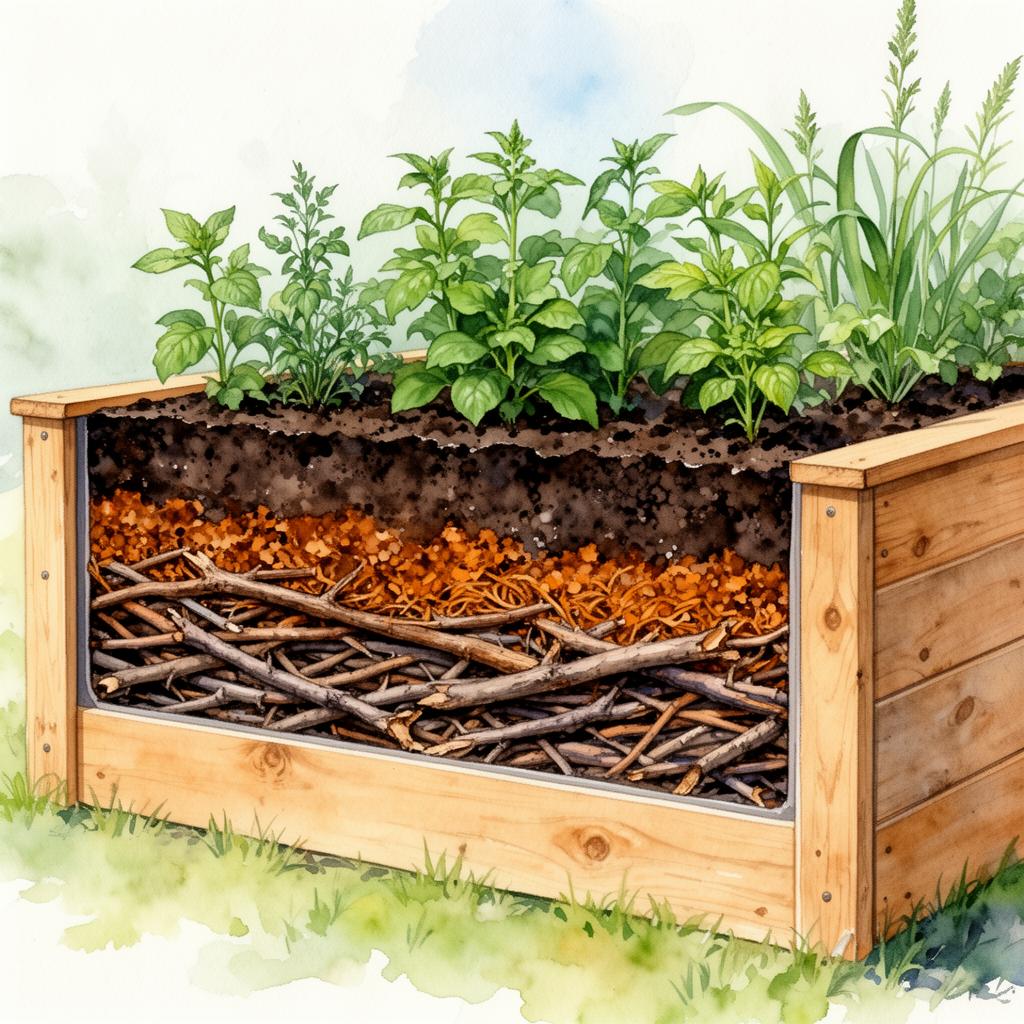
Build Your Own Raised Bed: Instructions, Materials and the Perfect Filling
A raised bed is the ideal entry point into growing vegetables. Learn how to build your own raised bed step by step, fill it correctly and harvest all year round.
Read more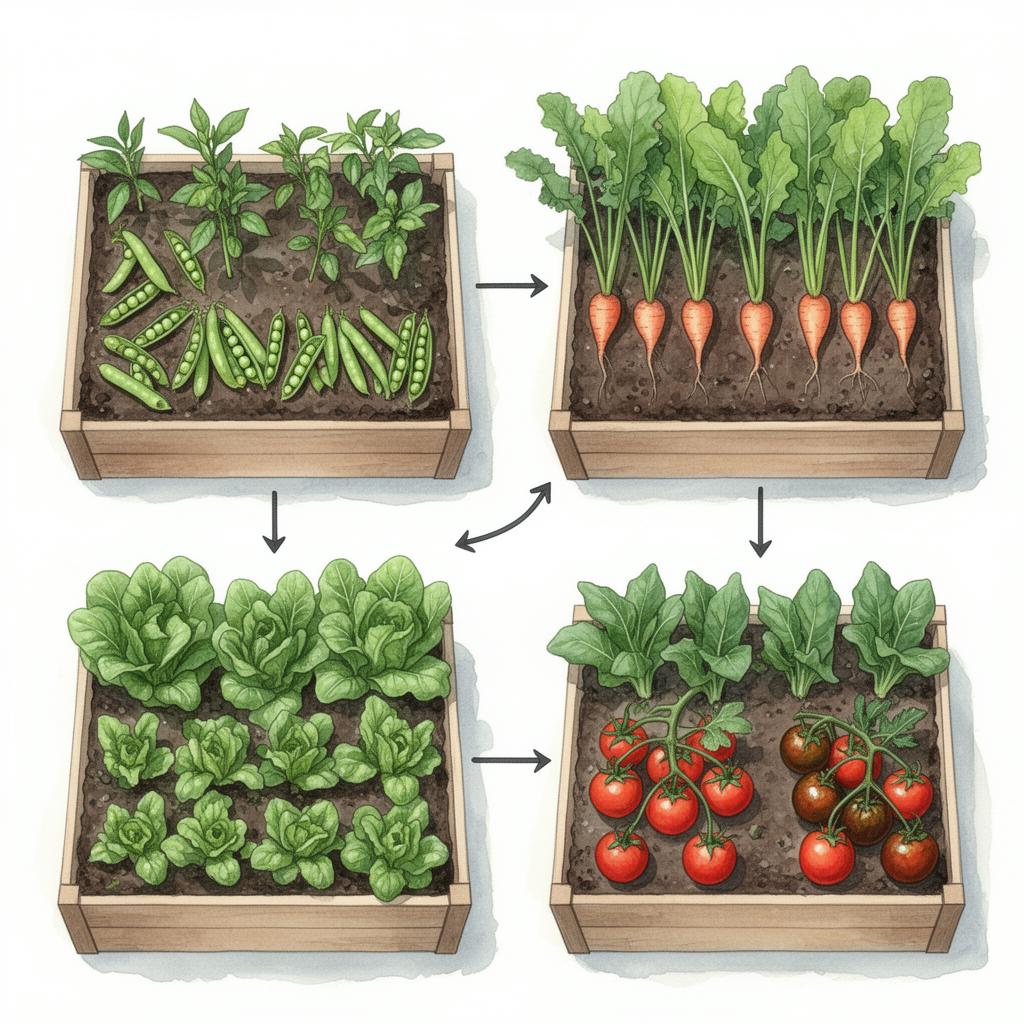
Which app to plan a vegetable garden? The honest 2026 comparison
You want to plan your vegetable beds digitally but aren't sure which app is right? This comparison shows what really matters – from companion planting and the sowing calendar to data privacy – and which type of gardener each solution suits.
Read more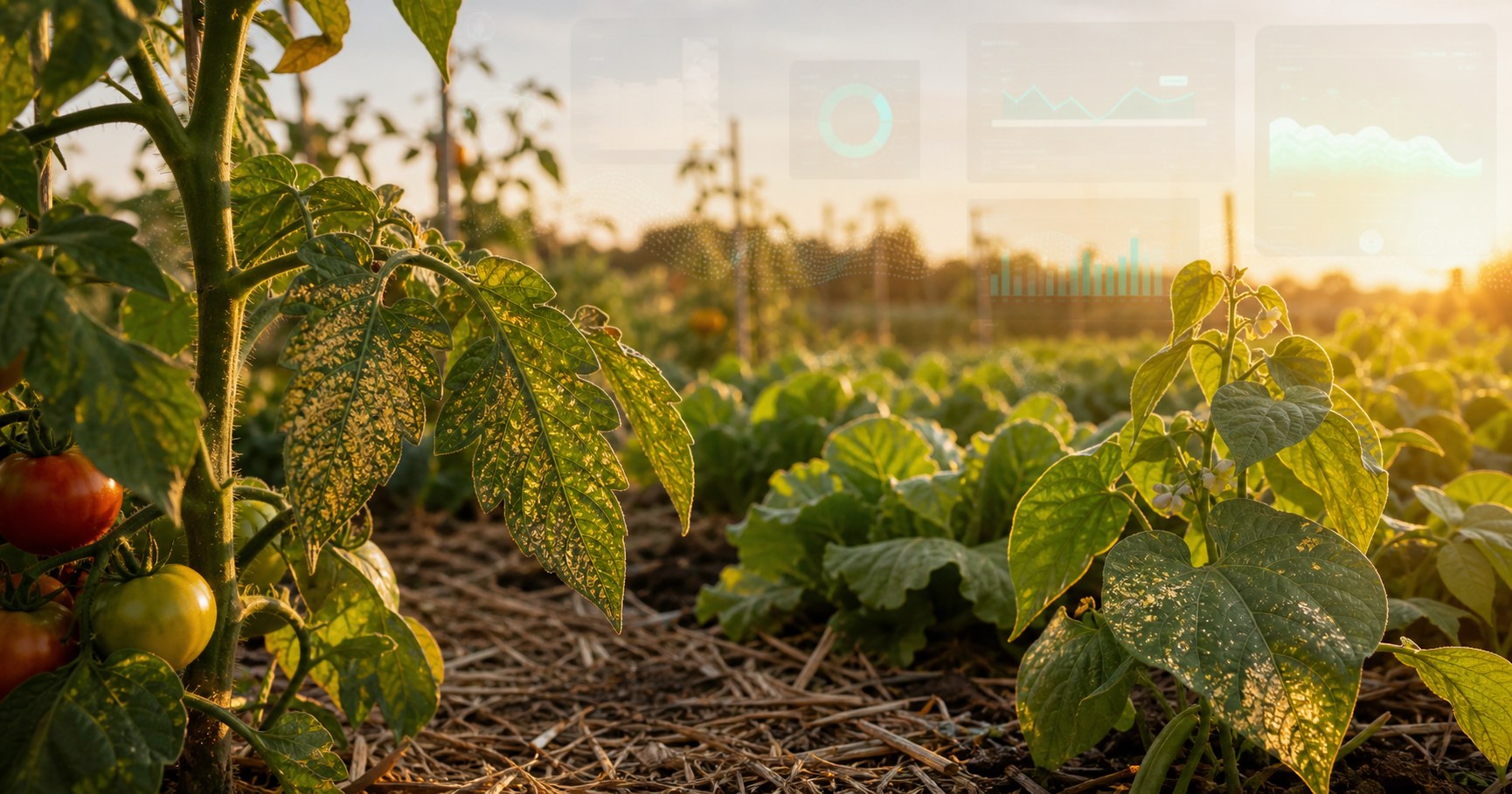
Ozone Stress in the Garden 2026: The Invisible Heat Damage on Tomatoes, Beans and Leafy Greens
When heat, strong sun and stagnant air come together, ground-level ozone can damage plant cells. Learn how to recognise ozone stress, separate it from drought, and protect your beds.
Read more