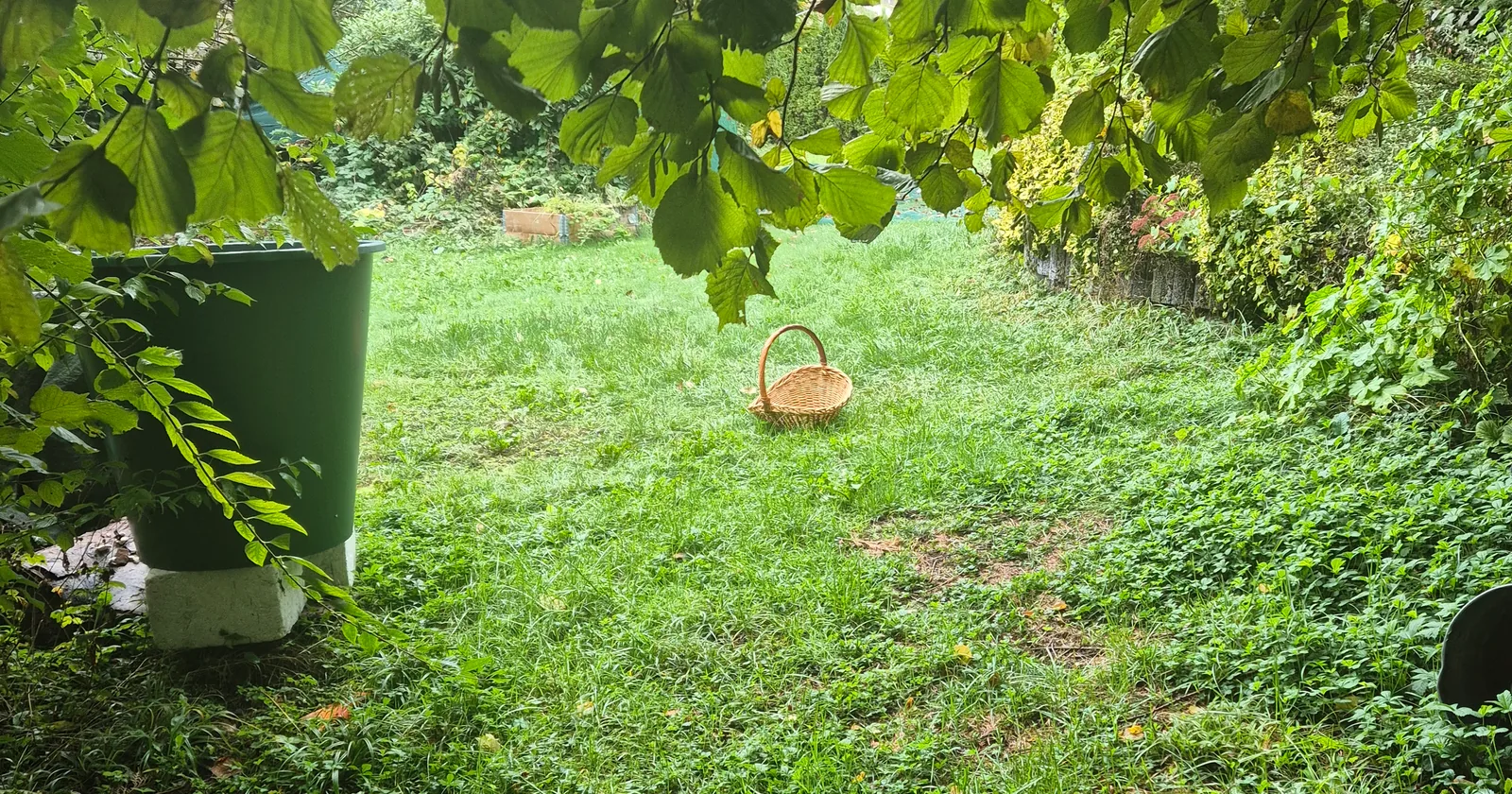
Stop for one minute: how to read your autumn garden
Autumn Journey 2026 · Part 1 of 5
Autumn is the most honest season in the garden. What summer hid under abundance now lies open: where the light fades first, which plants still have strength, where the wind cuts through. Stop for a minute now and you will plan next year more wisely than with any list.
The idea in one sentence: Pick one station, note one observation and one question – and come back in a week. That is all it takes.
1. Evening light: where does your day end?
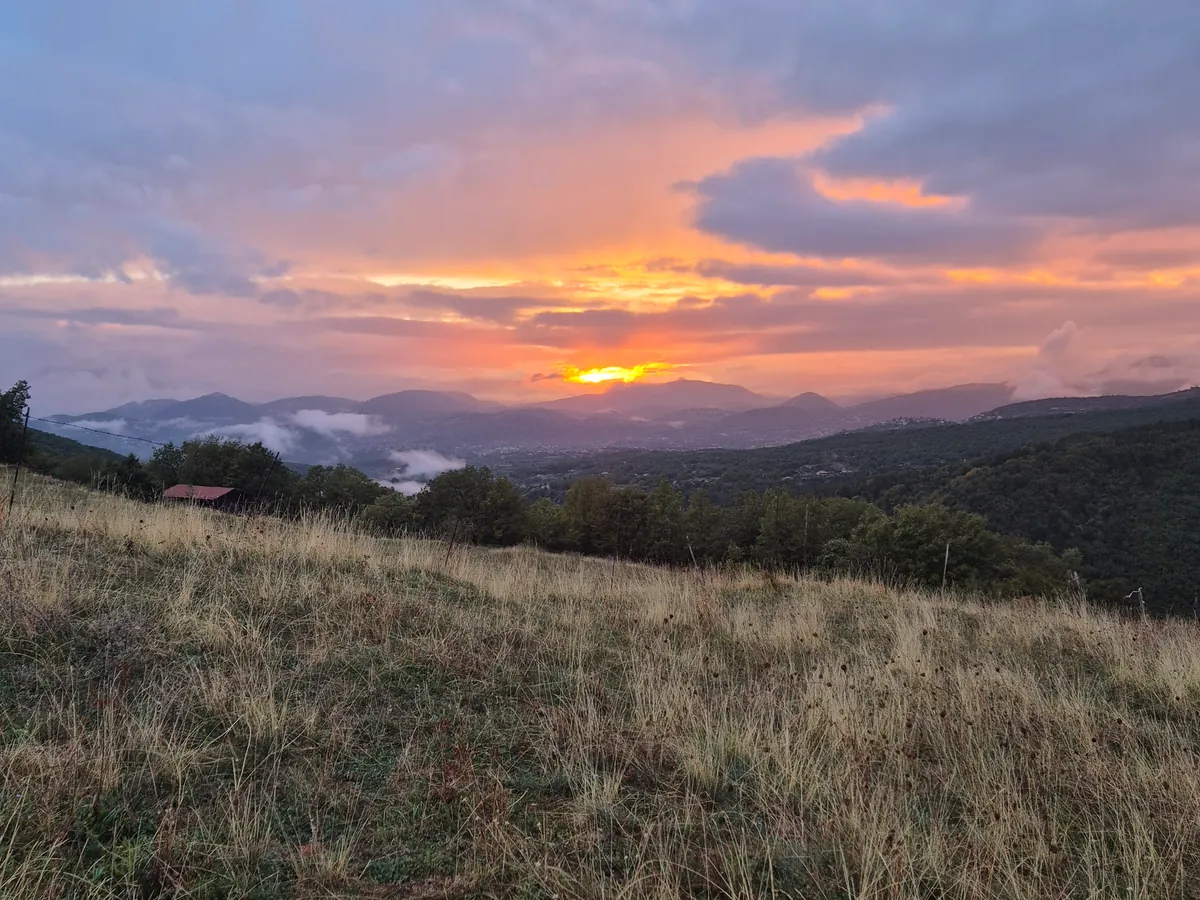
The sun sits low, and suddenly you see which corner of your garden is already in shadow while the rest still glows. That corner will be the slowest to warm up in spring.
Try it: Stand in the same spot at the same time of day. Note how far the light reaches and what a familiar plant is doing. This way of watching even has a name: phenology – nature's calendar. The German Weather Service shows how the professionals do it.
2. Herb bed: two leaves, no name
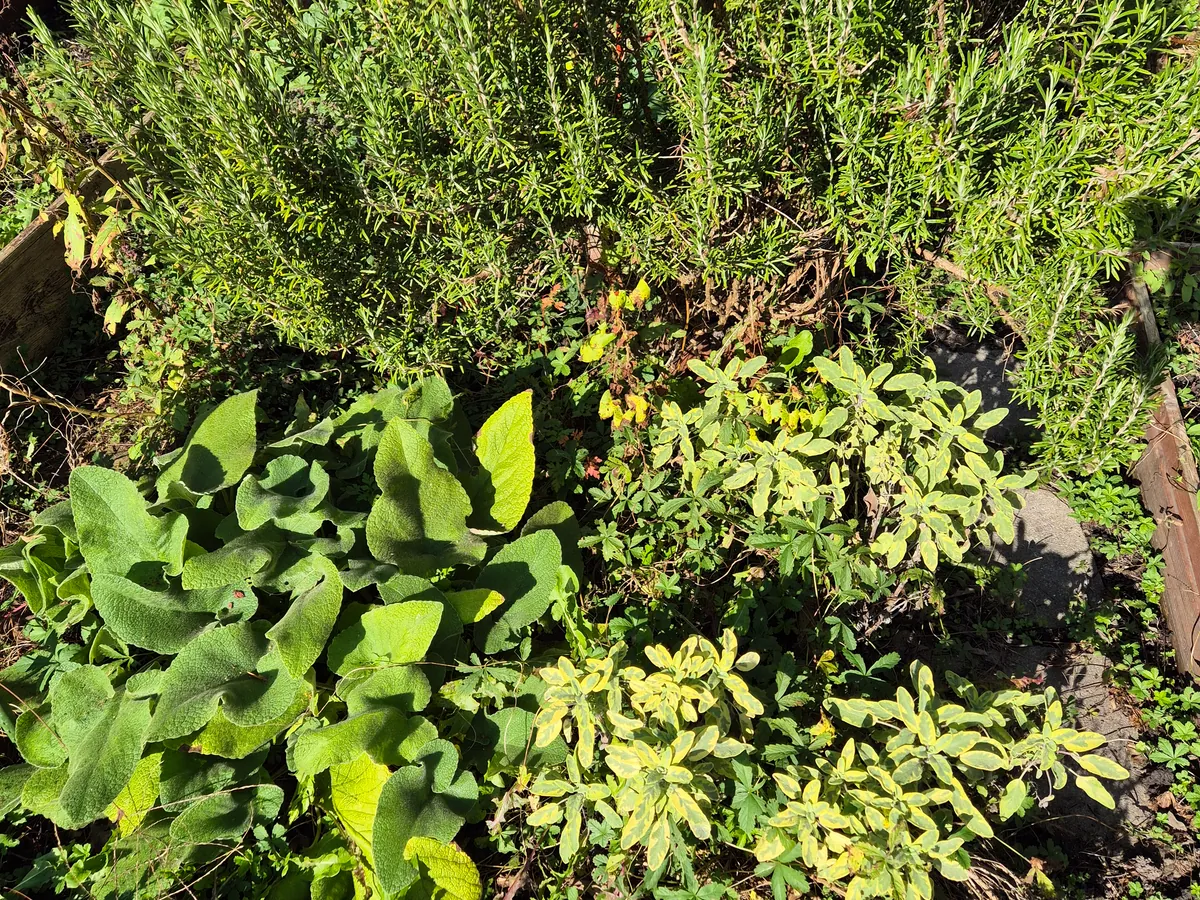
Pick two leaves in your mind and describe them without guessing a name: narrow or broad? Smooth or hairy? Upright or close to the ground? You will be surprised how much you see once the label is gone.
Before you cut, harvest or protect for winter, identify the species – herbs have very different needs. The Royal Horticultural Society explains well what herbs in containers need. And: never taste what you do not know.
3. Garden path: arrive with a small intention
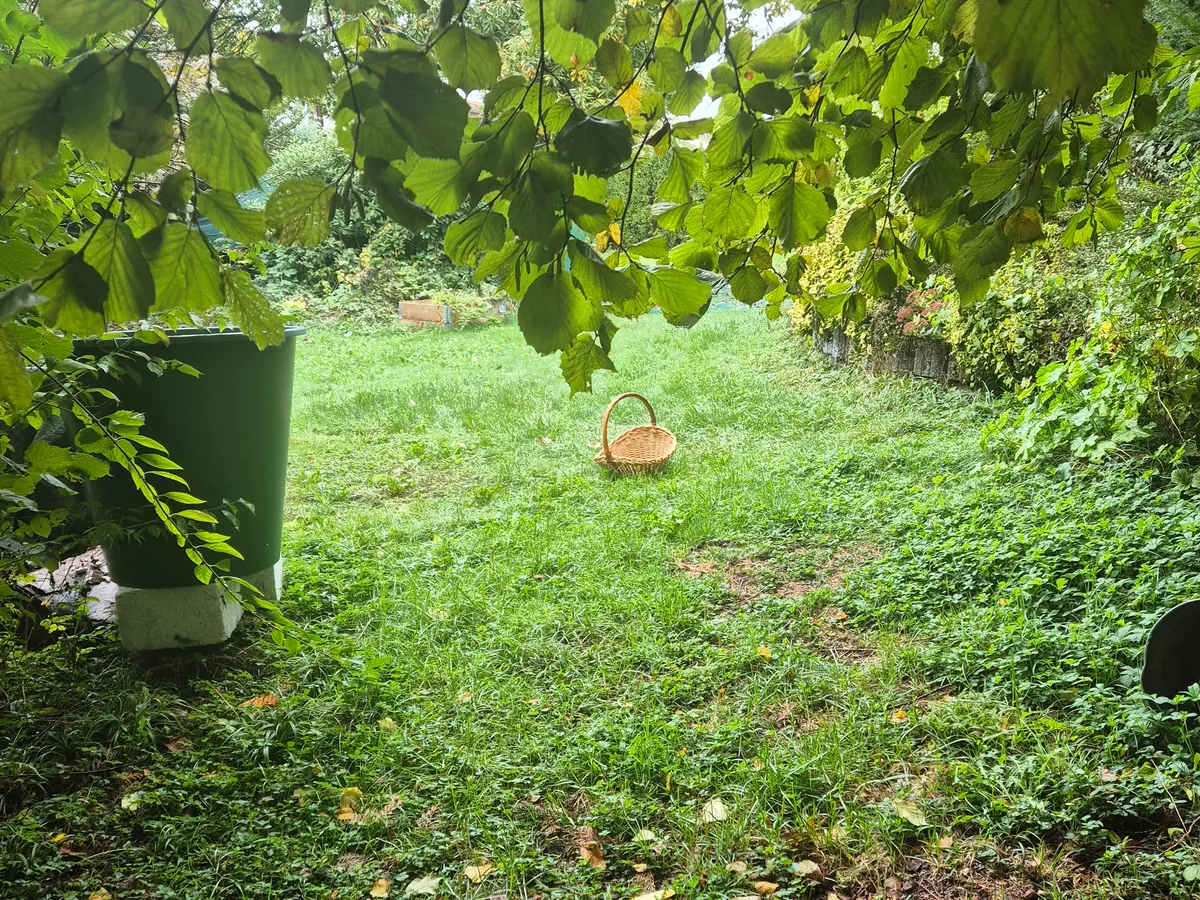
The basket does not have to be full. Just ask yourself first: what is truly doable today in the time I have? Recognising a plant, mulching one spot, looking closely at one fruit – that counts.
In a group this works as an arrival round: everyone names one thing they see and one question. Those who prefer to watch quietly or draw are just as much part of it.
4. Wind: where does it blow through?
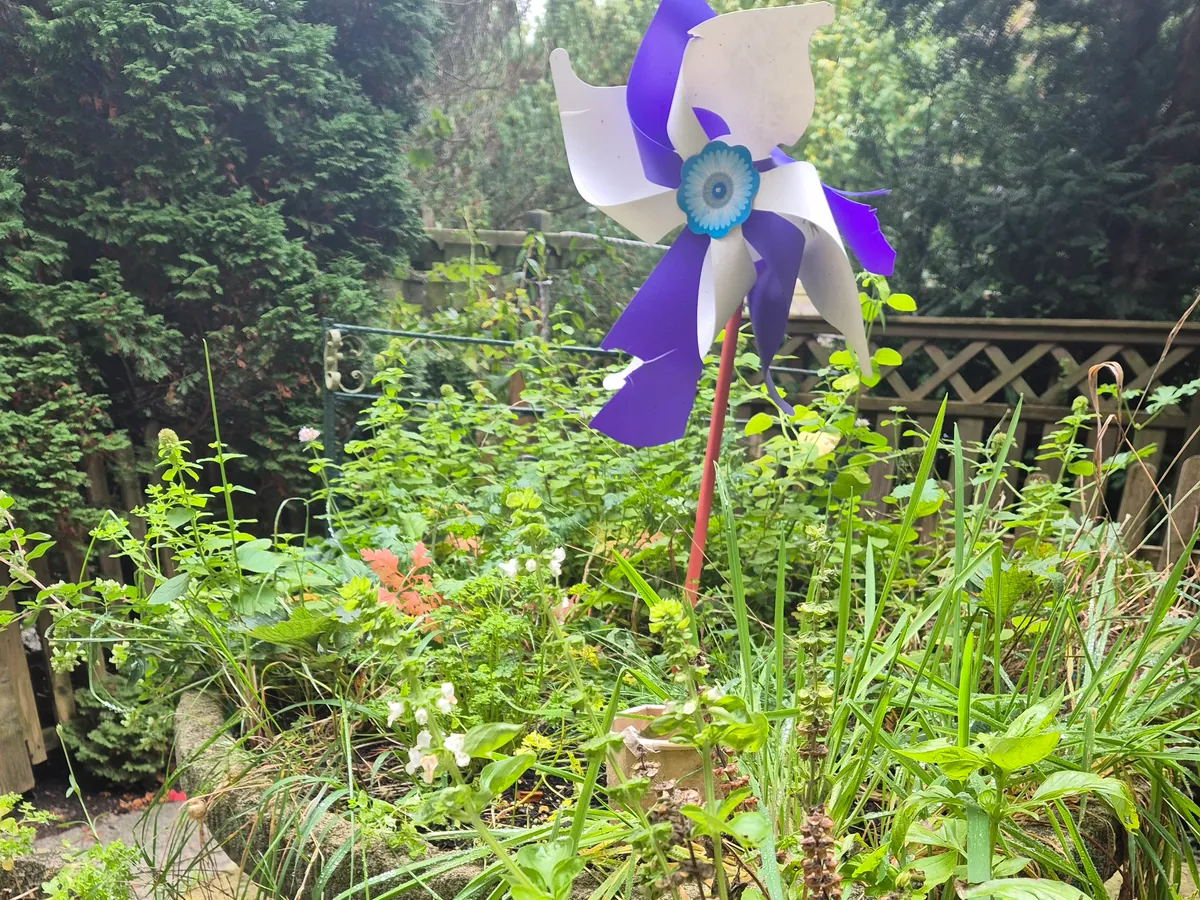
A small pinwheel makes visible what you otherwise only feel. Does it turn differently next to the hedge than in the open? Exactly where it stays calm, sensitive plants will feel at home next year.
A toy pinwheel does not measure wind speed, of course – the Met Office explains how that is done properly. For garden planning the comparison is often enough: more here, less there.
Four moments become your garden memory
A photo, a sentence, the date: that is all. Next autumn you will stand in the same spot with a real comparison instead of a vague memory.
In PermaNatura you keep such observations in the garden journal. The season calendar also shows the last spring frost at your location from the weather archive – the perfect companion to your own notes.
The Autumn Journey 2026
- Stop for one minute: how to read your autumn garden (you are here)
- Sweet chestnut or horse chestnut? The check before you gather
- One tree, many cycles: what the sweet chestnut teaches about permaculture
- Biodynamic autumn: what happens inside the cow horn
- The farm cycle in autumn: pasture, animals, manure
Frequently asked questions
Do I have to do all four stations?
No. One observation repeated regularly is worth more than four one-offs.
Are the photos measurements or species records?
No – they are our own photos and invitations to look. Identification and measurement need their own methods.
As of 20 October 2026. All four photos are our own. People and exact locations are not shown.
Comments (0)
Sign in to comment.
📖 You might also like
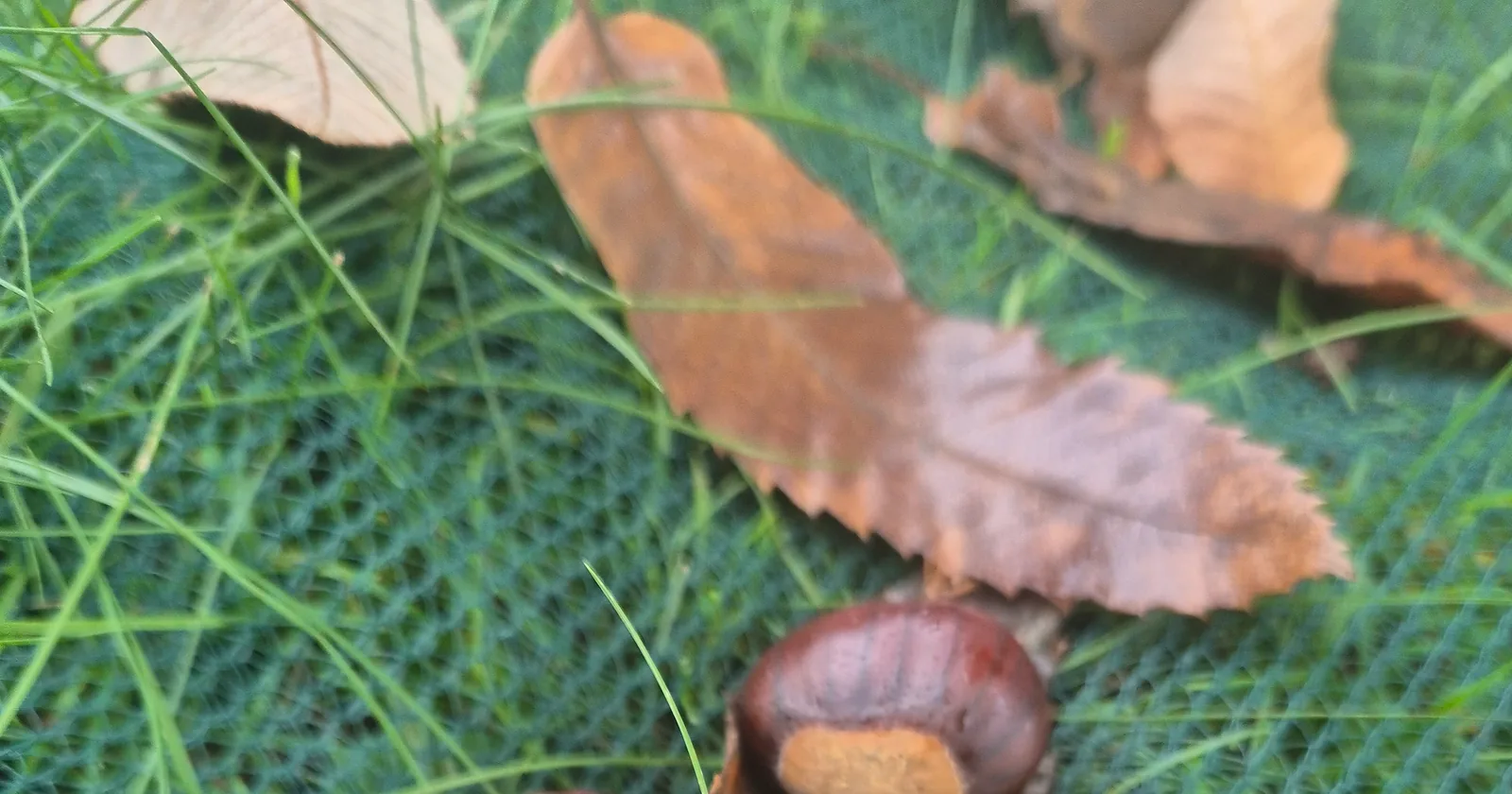
One tree, many cycles: the sweet chestnut and permaculture
Fruit, leaves, soil and the story of the "bread tree": how one tree becomes a place of learning for families. Part 3 of the Autumn Journey.
Read more
The farm cycle in autumn: pasture, animals, manure
When the animals come off the pasture: protect the sward, adjust the feed, turn manure into fertility. Part 5 of the Autumn Journey.
Read more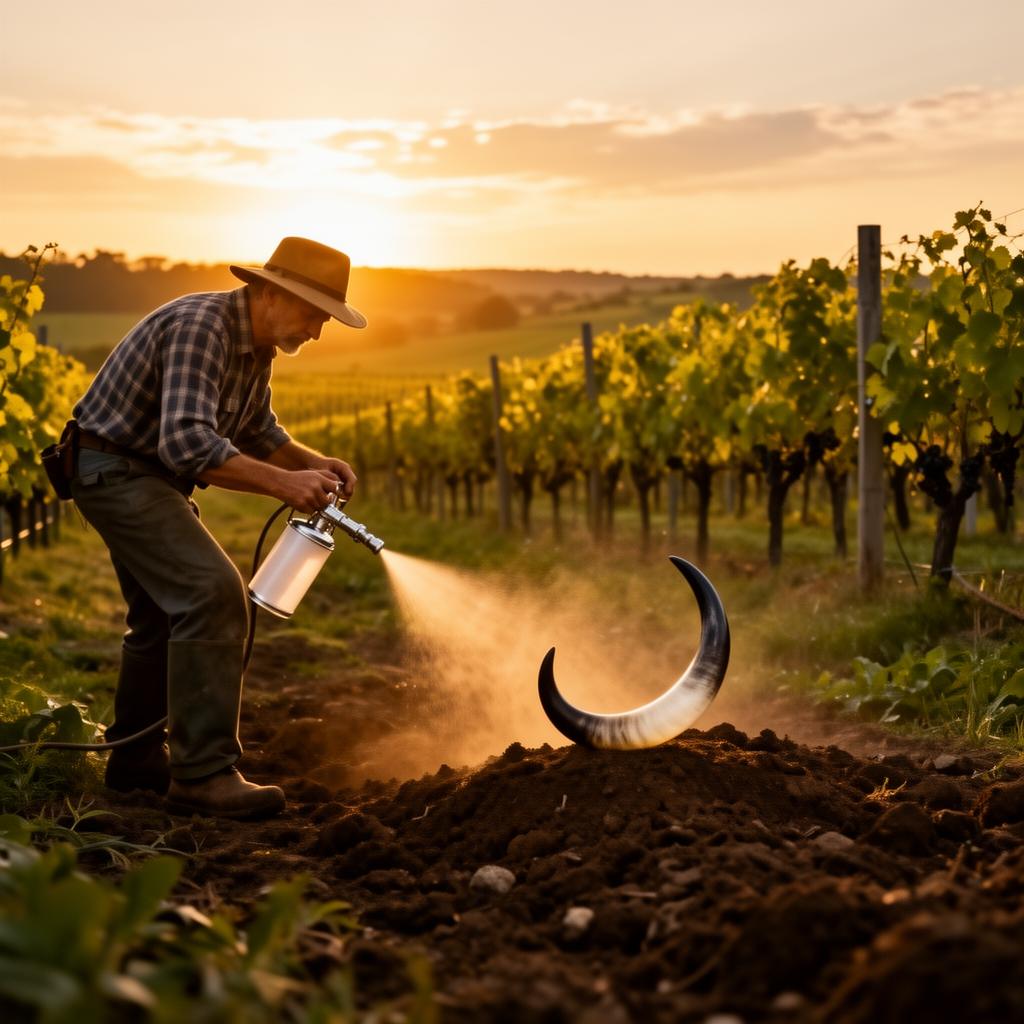
Biodynamic autumn: what happens inside the cow horn
Cow horns full of manure winter underground, six medicinal plants go into the compost – and what science says. Part 4 of the Autumn Journey.
Read more