Sweet chestnut or conker? The check before you gather
Autumn Journey 2026 · Part 2 of 5
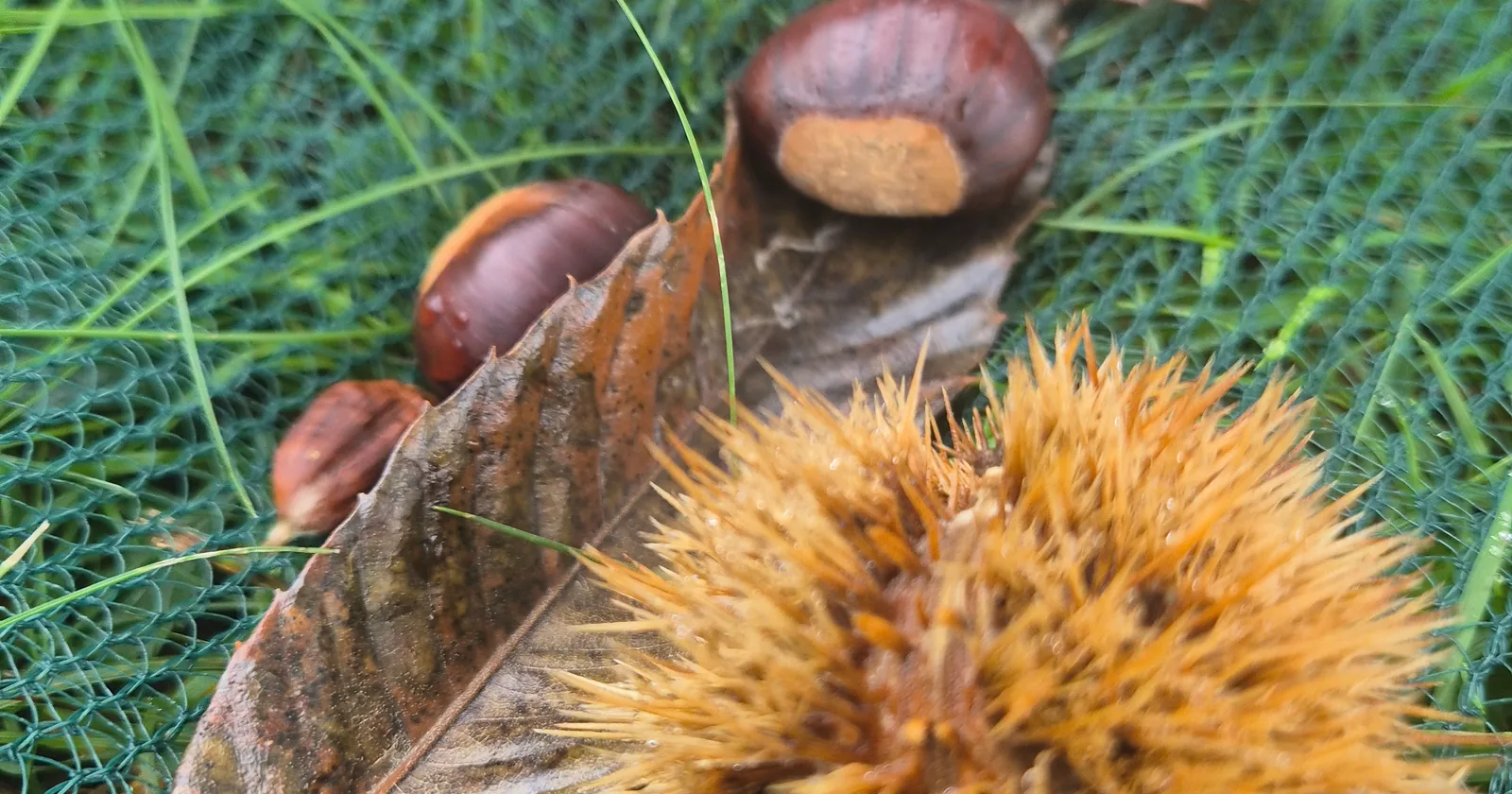
Leaves rustle underfoot, and brown fruits shine between the blades of grass. One reach, and autumn is in your hand. But careful: two very different trees drop glossy brown fruits – and only one of them belongs in the kitchen.
Short and clear: Only sweet chestnuts identified with certainty are edible. Horse chestnuts (conkers) are poisonous. A photo or an app alone is never a green light to eat – when in doubt, leave it on the ground.
The check: three features on the tree
Don't just look at the fruit on the ground – look up. Only when all three features match is it a sweet chestnut:
| Feature | Sweet chestnut (Castanea sativa) | Horse chestnut (Aesculus hippocastanum) |
|---|---|---|
| Leaf | single, long, toothed edge | hand-shaped: several leaflets on one stalk |
| Husk | densely covered in fine, long spines – like a hedgehog | few, short, sturdy spikes |
| Fruit | usually several per husk, with a small tip ("tassel") | usually one, round and smooth, no tip |
The Woodland Trust has a clear side-by-side comparison with photos. If you suspect poisoning, contact your local poison control centre or emergency services straight away.
Gather mindfully: three questions before the basket
- May I gather here? Only where you have permission.
- Am I sure? All three features checked – otherwise not.
- How much do I really need? A handful for one meal. The rest belongs to squirrels, birds and the next tree.
With children it becomes a detective task: draw the leaf, describe the husk, note two questions. Identification, opening the spiky husks and anything with knives and ovens is a job for adults.
From basket to oven
For classic roast chestnuts, Germany's Federal Centre for Nutrition (BZfE) recommends scoring the shell crosswise and roasting for about 15 to 20 minutes at 180 °C. According to the BZfE, fresh chestnuts keep in the fridge for up to two weeks. Still check every fruit: sort out any that are mouldy, holed or look unusual.
Our favourite recipe isn't a recipe: just add roasted, peeled chestnuts to a tray of roast vegetables. Your own harvest becomes an ingredient rather than a big project.
The harvest becomes your garden memory
Note the date, place, the certain identification and the amount – plus a photo and one sentence: what surprised you? Next autumn you will know exactly when and where it's worth going.
In PermaNatura you do this in the garden journal. Plant identification helps you get to know plants – but, as said, it never replaces checking all three features.
The Autumn Journey 2026
- Stop for one minute: how to read your autumn garden
- Sweet chestnut or horse chestnut? The check before you gather (you are here)
- One tree, many cycles: what the sweet chestnut teaches about permaculture
- Biodynamic autumn: what happens inside the cow horn
- The farm cycle in autumn: pasture, animals, manure
Frequently asked questions
Can I identify chestnuts from a photo?
No. Identify on site using all three features and have anything uncertain checked by someone who knows.
Are horse chestnuts good for anything?
Yes – for crafts, observation and as food for wildlife. You should not eat them.
As of 20 October 2026. Cover photo: our own; it is not an identification aid and not a green light to eat. Harvest times depend on location, weather and variety.
Comments (0)
Sign in to comment.
📖 You might also like
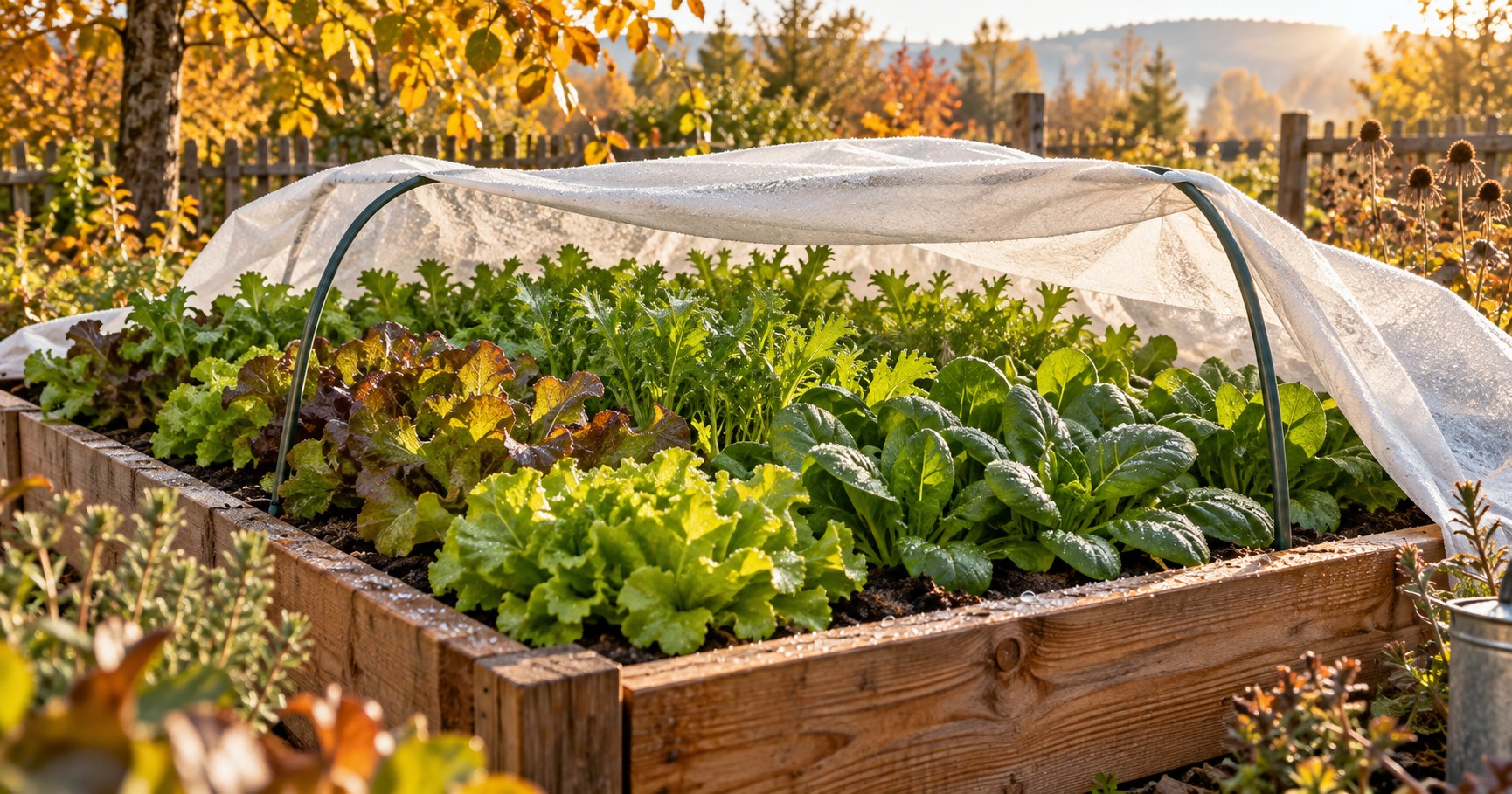
Your raised bed is still in season: an October plan for winter greens
The tomatoes are finished, but your raised bed has more to offer. Make room for winter greens, protect established crops and set realistic expectations for late sowings.
Read more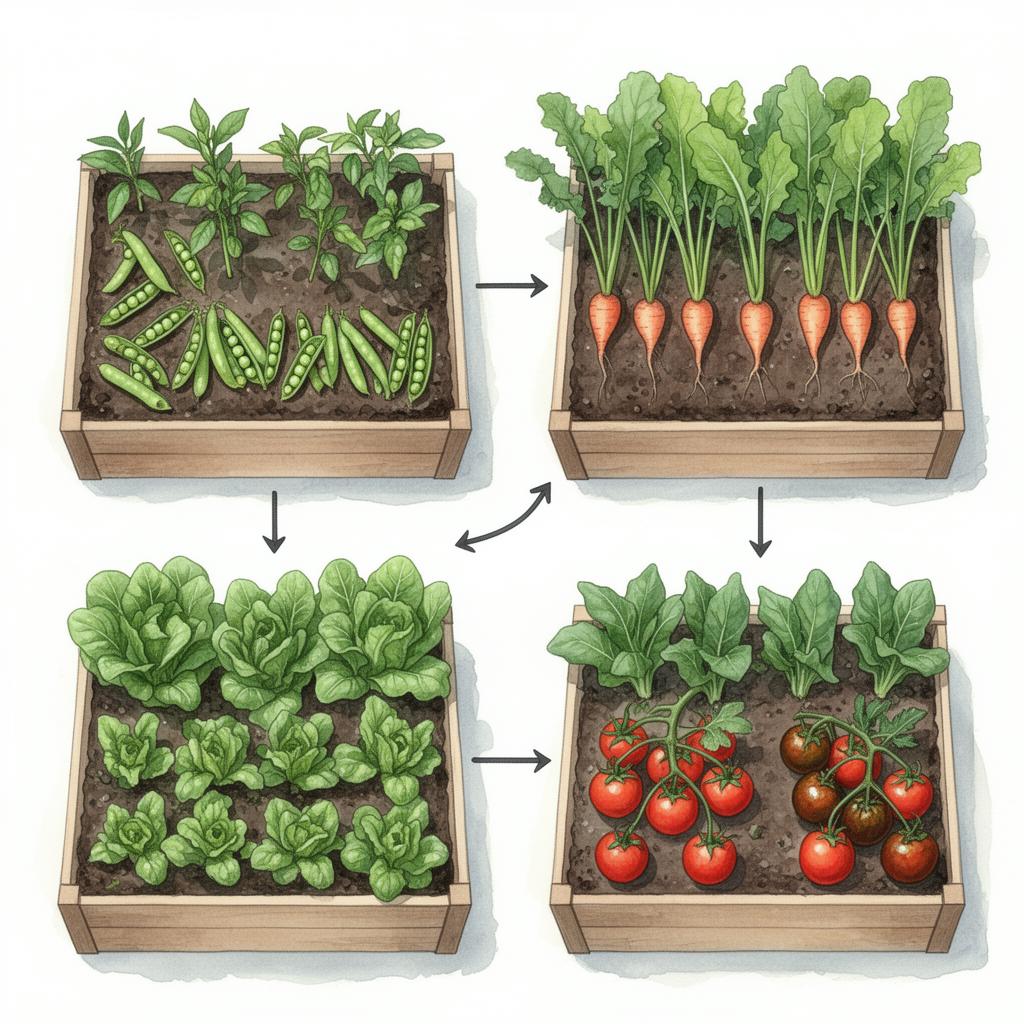
Which app to plan a vegetable garden? The honest 2026 comparison
You want to plan your vegetable beds digitally but aren't sure which app is right? This comparison shows what really matters – from companion planting and the sowing calendar to data privacy – and which type of gardener each solution suits.
Read more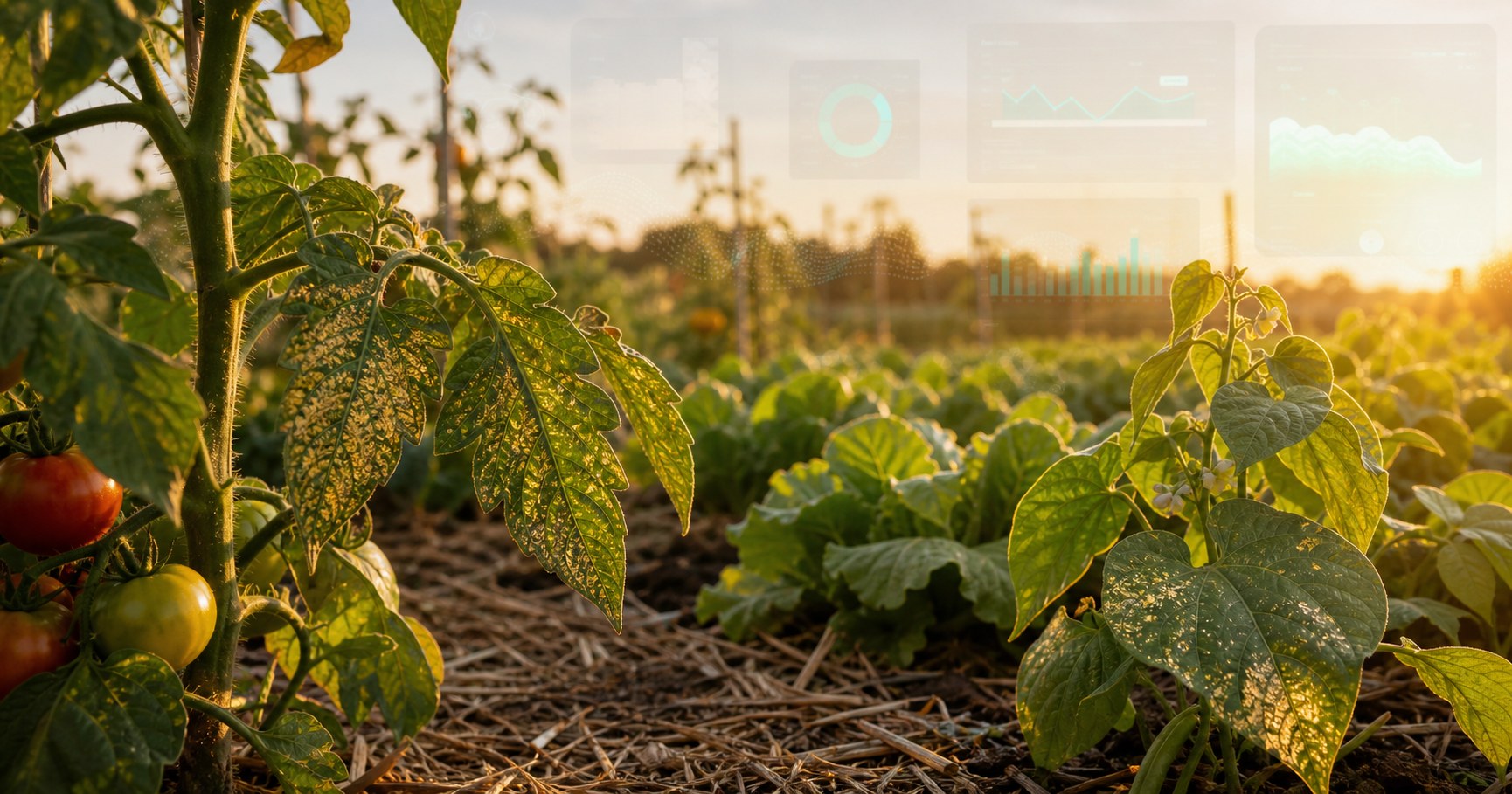
Ozone Stress in the Garden 2026: The Invisible Heat Damage on Tomatoes, Beans and Leafy Greens
When heat, strong sun and stagnant air come together, ground-level ozone can damage plant cells. Learn how to recognise ozone stress, separate it from drought, and protect your beds.
Read more