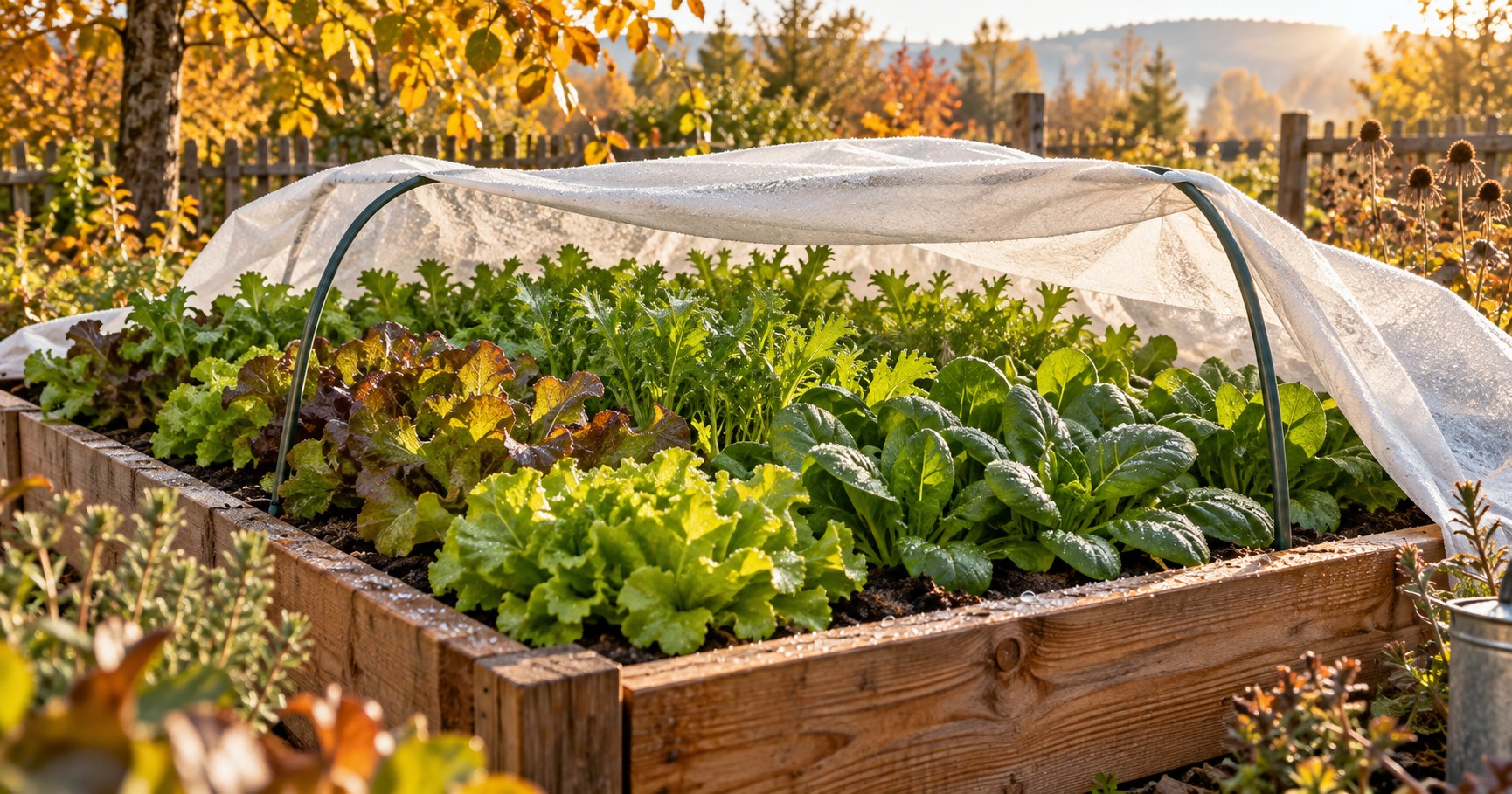
Your raised bed is still in season: an October plan for winter greens
The last tomato has been picked and the evenings are getting colder. Those gaps in your raised bed are an invitation to rethink the season. The useful distinction is between sowing now, planting young plants and continuing to harvest established crops.
Let your location set the timetable
Mid-October is not a universal sowing date. A sheltered coastal garden and an exposed upland plot have different opportunities. Read the variety instructions, check your local forecast and assess how much light reaches the bed. Mild air alone cannot compensate for shorter days.
Winter lettuce varieties may suit protected growing. Treat very late sowing as a small experiment: harvesting may have to wait until spring. Established spinach and other winter greens give you a head start that freshly sown seeds cannot match.
Divide the bed into three useful zones
| Zone | Next step |
|---|---|
| Established crops | Keep healthy plants and inspect them regularly |
| Sunny gaps | Use suitable young plants or try a small protected sowing |
| Unplanted ground | Cover the soil and record plans for the next season |
Start small rather than filling every gap. Leave room to try again if germination is disappointing. Thin crowded seedlings when needed: a dense carpet of leaves can conceal struggling plants.
Protection needs ventilation
A low cloche or horticultural fleece can help suitable crops. Secure it against wind and check for pooled water after rain. Ventilate on mild days; persistent dampness and stagnant air can cause trouble. Covers support good crop choices but do not guarantee protection in every frost.
Feel the soil below the surface before watering. Plants often need less water than in summer. Water the soil when necessary, and leave frozen plants alone until they thaw before harvesting.
Three avoidable mistakes
- Repeating summer sowings: outdoor warmth and daylight have limits.
- Feeding every empty patch: match nutrition to the soil and crop rather than the date.
- Losing the crop history: record the plant family that occupied the bed before the new crop.
Your weekend checklist
- Record healthy remaining plants and harvest usable leaves.
- Check light, available space and your local frost forecast.
- Choose one small winter crop and read its variety guidance.
- Check covers, ventilation and soil moisture.
- Save planting dates and observations in the Permanatura garden planner.
Is it still worth starting? Yes, with realistic expectations. A small autumn experiment can teach you how your particular garden behaves, even if the main harvest comes later.
Reviewed 14 October 2026. Further reading: RHS: growing vegetables for winter, RHS: growing lettuce. Adapt UK advice to your local climate.
Comments (0)
Sign in to comment.
📖 You might also like
Heatwave in the Garden 2026: How to Carry Beds, Soil and Harvest Through the Hottest Days
The hottest days of the year are here. With the right moves on watering, mulch and shade, you can get your plants through without heat stress – a clear action plan instead of watering-can panic.
Read more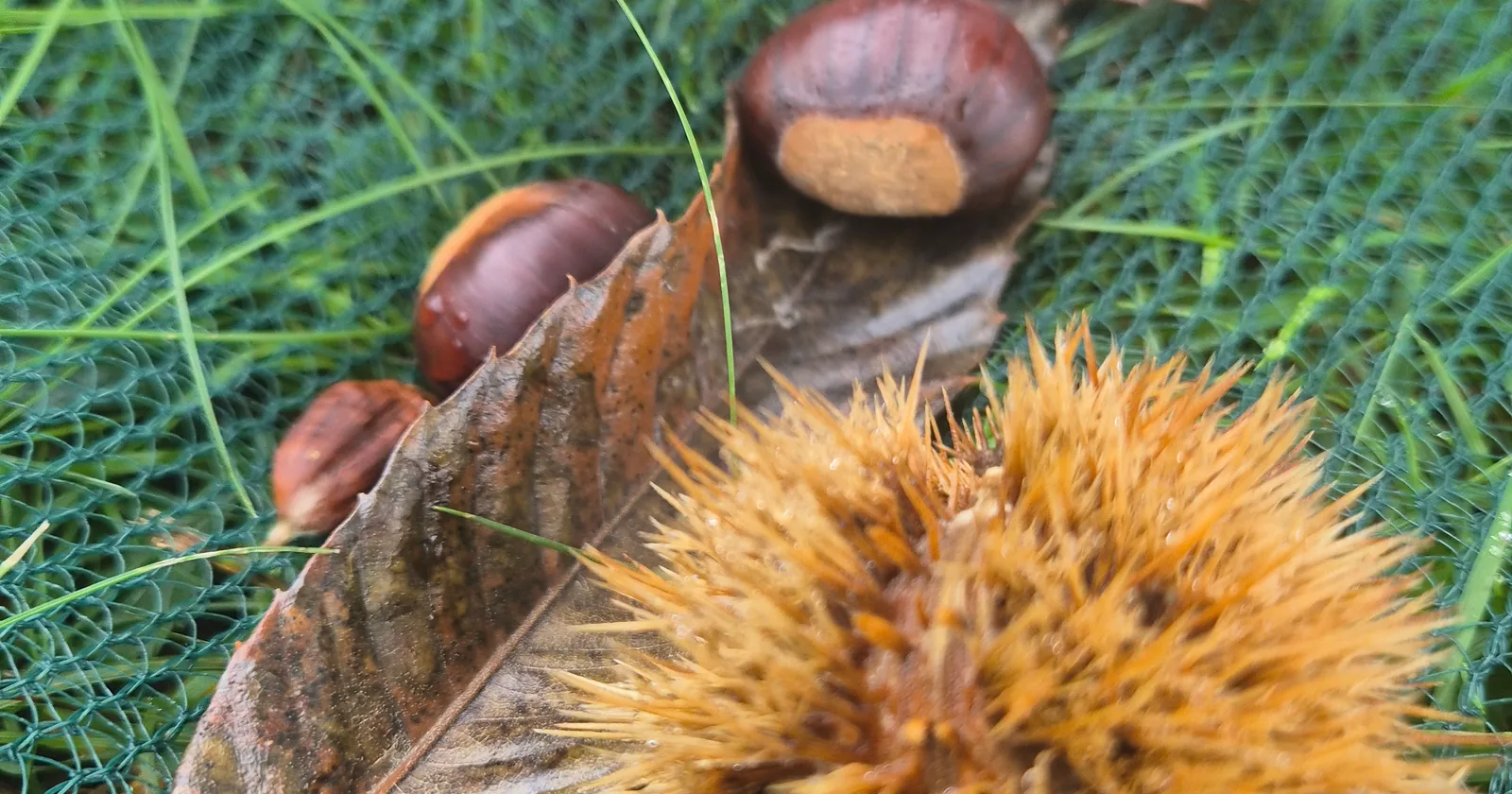
Sweet chestnut or conker? The check before you gather
Both look glossy brown, only one is edible: how to recognise sweet chestnuts, gather mindfully and roast them. Part 2 of the Autumn Journey.
Read more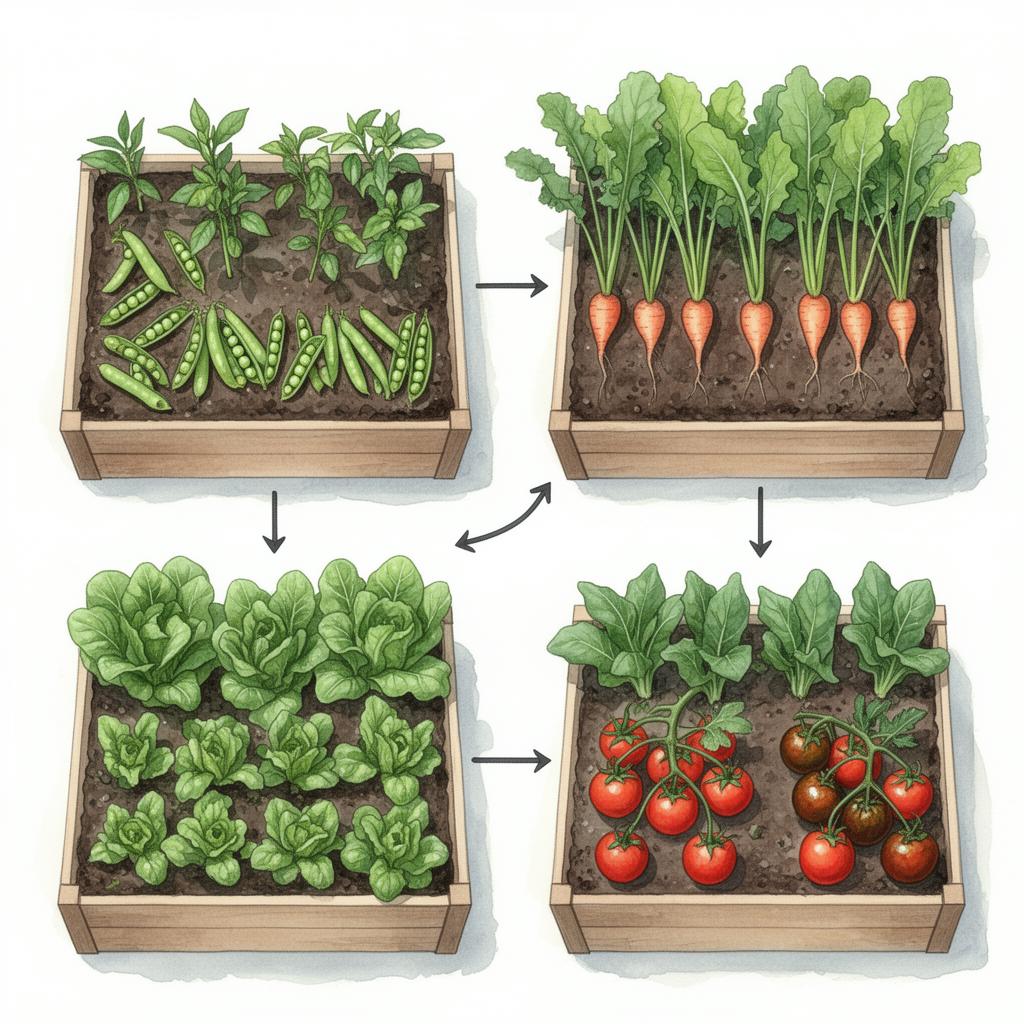
Which app to plan a vegetable garden? The honest 2026 comparison
You want to plan your vegetable beds digitally but aren't sure which app is right? This comparison shows what really matters – from companion planting and the sowing calendar to data privacy – and which type of gardener each solution suits.
Read more