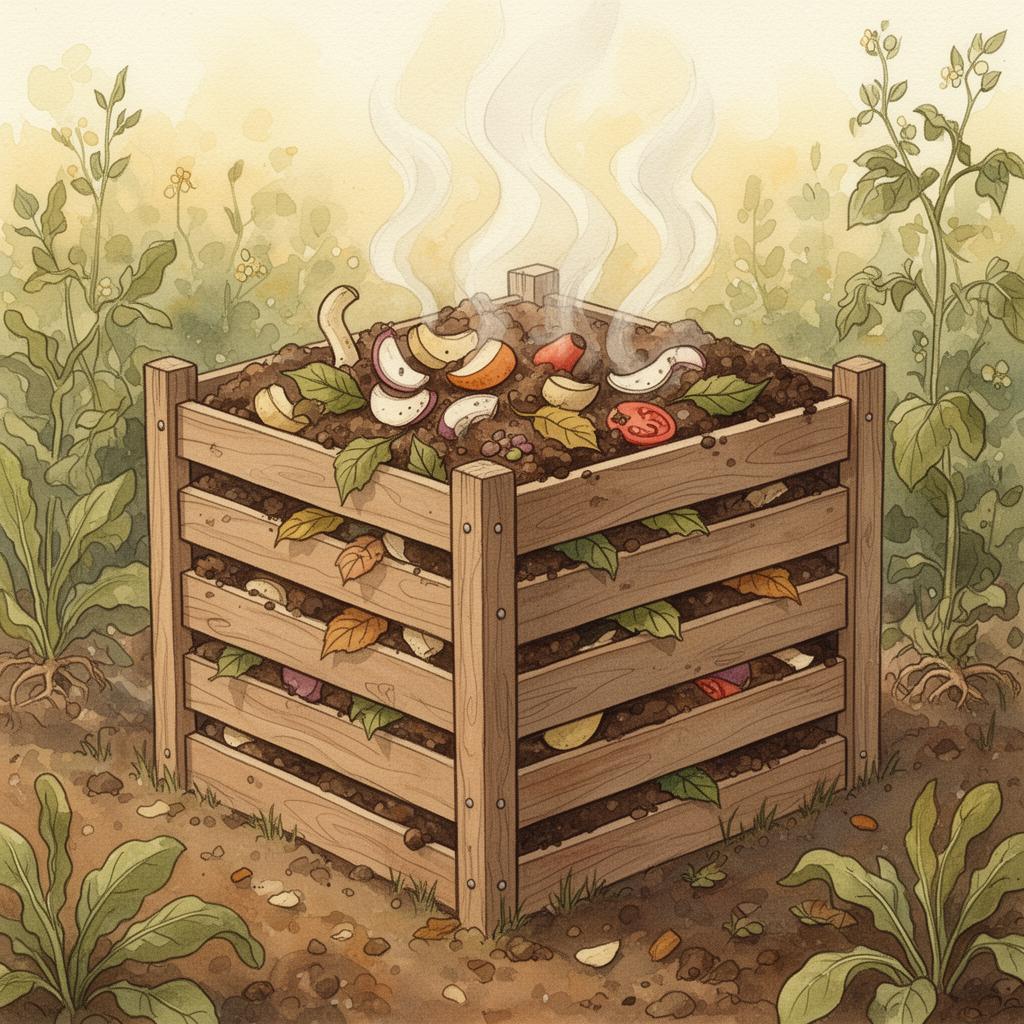
Setting Up Compost the Right Way: From Kitchen Scraps to Black Gold
Why Every Garden Needs a Compost Pile
Composting is the simplest and most effective method to nourish your garden sustainably. Instead of buying expensive fertilizer, you turn kitchen and garden waste into nutrient-rich humus - the gardener's "black gold".
The Benefits at a Glance
- Free: No more buying fertilizer
- Sustainable: Up to 40% less residual household waste
- Soil improvement: Humus stores water and nutrients
- Biodiversity: A compost pile is home to thousands of beneficial organisms
Choosing the Perfect Location
The compost spot determines success or failure:
- Partial shade - Full sun dries it out, full shade is too damp
- Sheltered from wind - Prevents drying out
- Soil contact - Never on concrete or paving! Soil organisms must be able to migrate in
- Easily accessible - A short path from the kitchen motivates you to compost
Tip: Plan for at least 1 × 1.5 meters. Ideal is a three-chamber system: fresh → maturing → finished.
What Can Go on the Compost?
✅ Perfectly Suitable
| Material | Category | Decomposition |
|---|---|---|
| Fruit and vegetable scraps | Nitrogen-rich (green) | 2-4 weeks |
| Coffee grounds and tea leaves | Nitrogen-rich | 2-3 weeks |
| Grass clippings (slightly dried) | Nitrogen-rich | 3-6 weeks |
| Leaves and straw | Carbon-rich (brown) | 2-6 months |
| Finely cut hedge trimmings | Carbon-rich | 3-6 months |
| Eggshells (crushed) | Mineral | 6-12 months |
| Wood ash (untreated, sparingly) | Mineral | Immediately |
❌ Never on the Compost
- Cooked food scraps - attract rats
- Meat and fish - rot and stench
- Diseased plants - pathogens survive
- Weeds with seeds - spread throughout the garden
- Treated wood - toxins get into the soil
- Citrus peels in large amounts - too acidic, inhibit microorganisms
The Golden Rule: The C:N Ratio
Good compost needs the right ratio of carbon (C) to nitrogen (N) - ideally 25-30:1.
How to achieve the perfect mix:
Rule of thumb: For every layer of "green" (kitchen waste, grass clippings), add an equally thick layer of "brown" (leaves, straw, cardboard).
- Too wet and smelly? → Mix in more brown material
- Too dry, nothing happening? → Add green material and water
- Mold on top? → Turn it over and aerate
Setting Up Compost in 5 Steps
Step 1: Base Layer (20 cm)
Coarse branches and twigs as drainage - ensures aeration from below.
Step 2: Layer Alternately
Always alternating: green - brown - green - brown. Each layer about 10-15 cm thick.
Step 3: Add a Compost Starter
A shovelful of finished compost or garden soil introduces the necessary microorganisms. Alternatively: nettle slurry as an activator.
Step 4: Keep It Moist
The compost should feel like a wrung-out sponge - moist, but not dripping. Water it when dry, cover it during prolonged rain.
Step 5: Turn It Regularly
Turn it over with a pitchfork every 4-6 weeks. This brings oxygen into the system and considerably speeds up decomposition.
Compost Variants Compared
| Method | Space Needed | Duration | Ideal For |
|---|---|---|---|
| Open heap | Large (3+ m²) | 6-12 months | Large gardens |
| Slatted composter | Medium (1-2 m²) | 6-9 months | Standard gardens |
| Thermal composter | Small (< 1 m²) | 3-4 months | Small gardens, fast results |
| Worm bin | Minimal (balcony) | Ongoing | Apartments, balconies |
| Bokashi bucket | Minimal (kitchen) | 2-4 weeks (fermentation) | All kitchen waste incl. cooked |
When Is the Compost Ready?
Finished compost is recognized by:
- Color: Dark brown to black
- Smell: Pleasantly earthy (like forest floor)
- Structure: Crumbly, no recognizable starting materials
- Temperature: No longer warm inside
Test the Degree of Maturity
Fill a handful of compost into a flower pot and sow cress seeds. If the cress germinates evenly and vigorously within 5-7 days, the compost is mature.
Compost in PermaNatura
With PermaNatura you can record compost applications as a measure in your digital field log. This way you keep track of which beds were fertilized and when - and the AI takes your compost supply into account in its cultivation recommendations.
Pro tip: Start a new compost pile now in spring - by autumn you will have perfect fertilizer for preparing your beds for winter!
Sources: NABU Kompostfibel, Bavarian State Institute for Viticulture and Horticulture, German Environment Agency
Comments (0)
Sign in to comment.
📖 You might also like
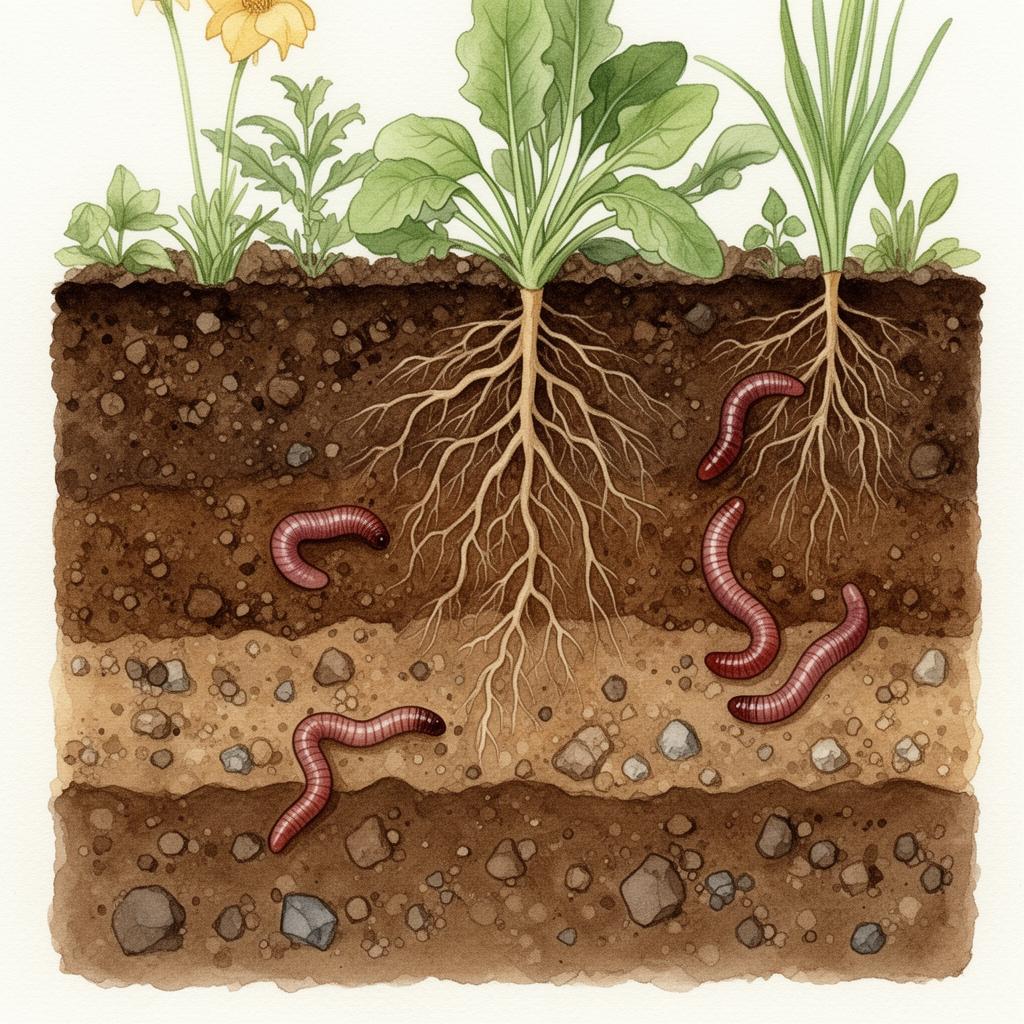
Understanding Your Soil: How to Read pH, Humus and Nutrients Correctly
Healthy soil is the foundation of every good harvest. Learn how to analyse your soil, interpret the results and improve it in a targeted way - with or without a lab.
Read more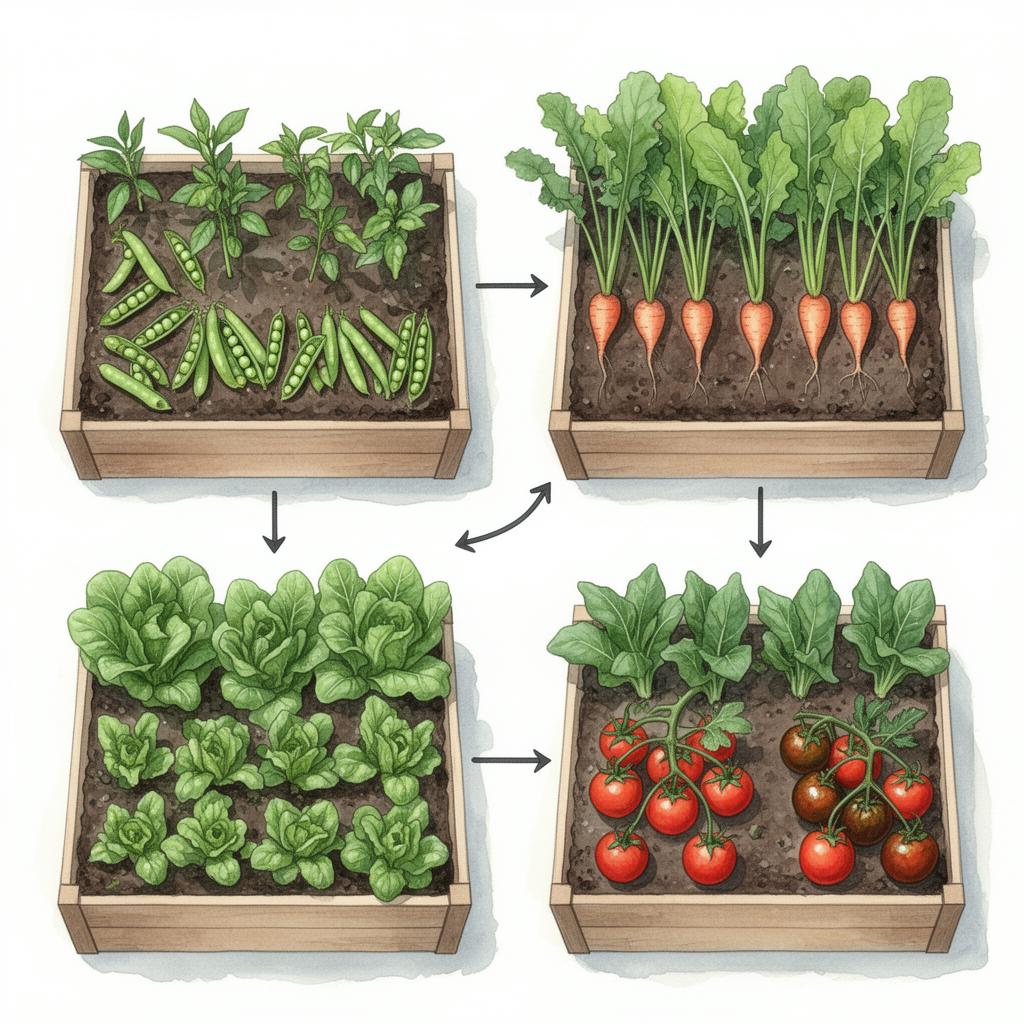
Which app to plan a vegetable garden? The honest 2026 comparison
You want to plan your vegetable beds digitally but aren't sure which app is right? This comparison shows what really matters – from companion planting and the sowing calendar to data privacy – and which type of gardener each solution suits.
Read more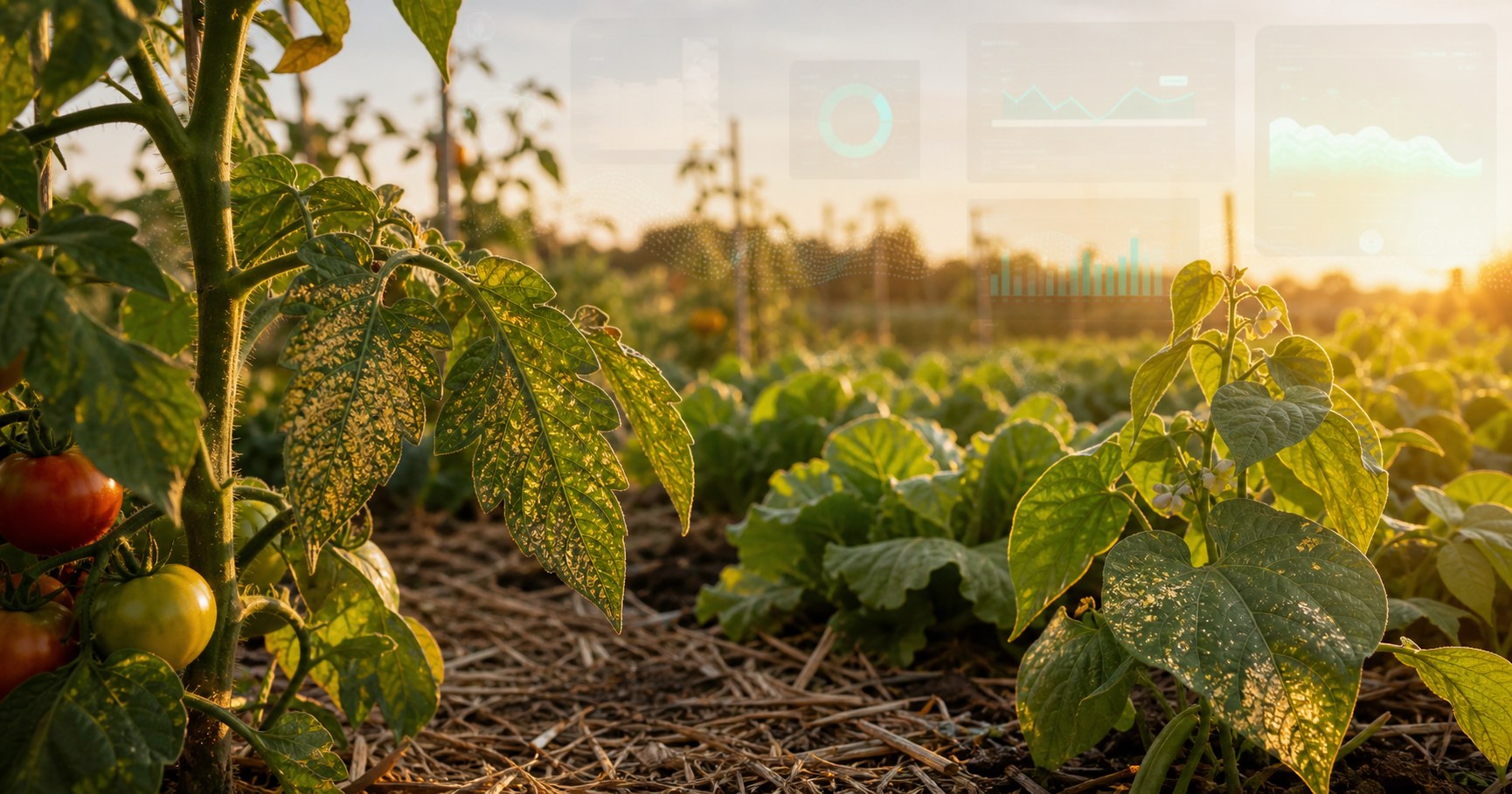
Ozone Stress in the Garden 2026: The Invisible Heat Damage on Tomatoes, Beans and Leafy Greens
When heat, strong sun and stagnant air come together, ground-level ozone can damage plant cells. Learn how to recognise ozone stress, separate it from drought, and protect your beds.
Read more