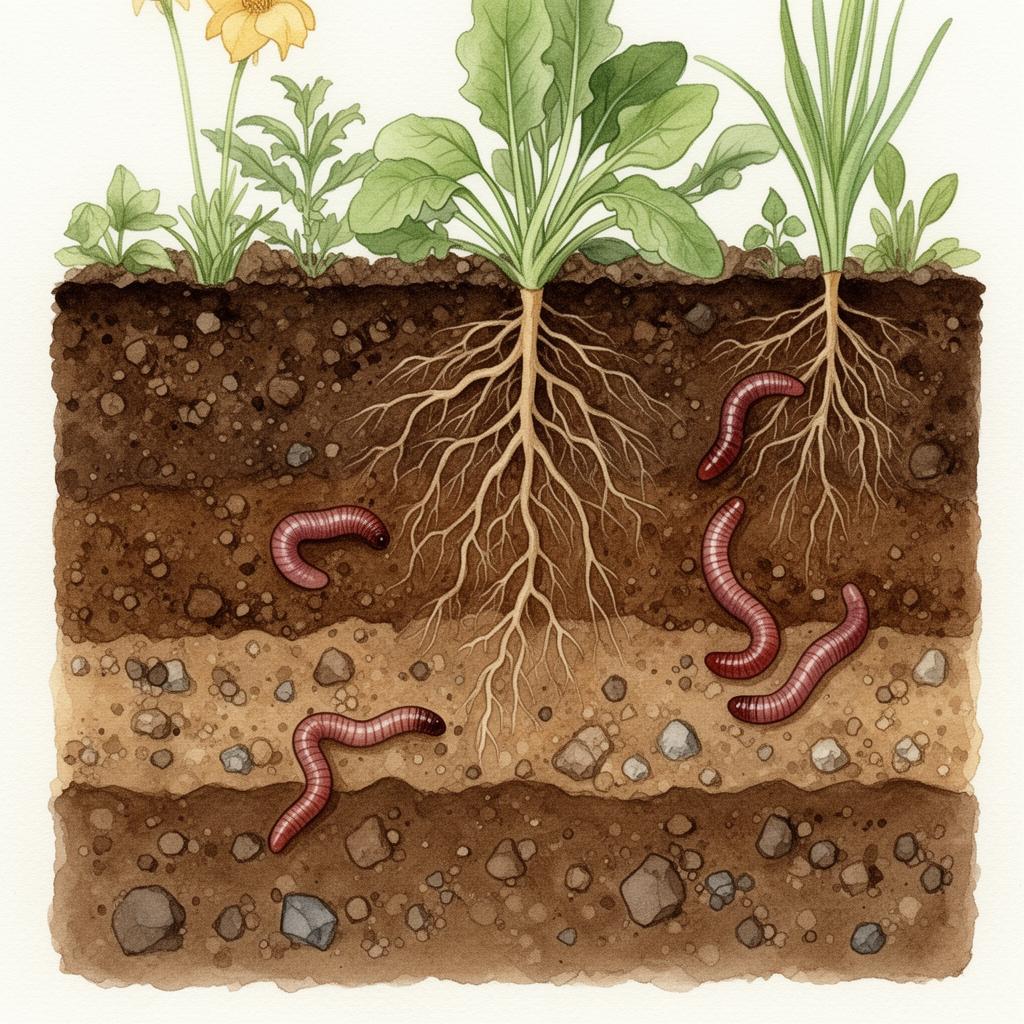
Understanding Your Soil: How to Read pH, Humus and Nutrients Correctly
Why Soil Determines Your Gardening Success
You can buy the best seeds, sow them perfectly according to the lunar calendar and water every day - but if your soil isn't right, the harvest will disappoint. Soil is the foundation of every garden, and understanding it is the most important step towards success.
The 5 Most Important Soil Values
1. 📊 pH Value: The Acid-Base Balance
The pH value determines which nutrients your plants can absorb at all.
| pH Value | Classification | Suitable for |
|---|---|---|
| < 5.5 | Strongly acidic | Blueberries, rhododendron |
| 5.5 - 6.5 | Slightly acidic | Potatoes, strawberries, most herbs |
| 6.5 - 7.2 | Neutral | Vegetables, fruit trees, roses |
| 7.2 - 8.0 | Slightly alkaline | Lavender, cabbage, asparagus |
| > 8.0 | Strongly alkaline | Problematic for most crops |
Test it yourself: A simple pH test strip from the garden centre costs just a few euros and gives you an initial orientation. For precise values, a laboratory analysis is recommended.
2. 🌱 Humus Content: The Elixir of Life
Humus is decomposed organic matter - the most important factor for:
- Water storage (1 kg of humus stores up to 5 litres of water)
- Nutrient release over months
- Soil structure and aeration
Ideal values:
- Vegetable bed: 4-8 % humus content
- Arable land: 2-4 %
- Grassland: 5-10 %
Build it up with: Compost, mulch, green manure, bokashi
3. 🧪 Nitrogen (N) - The Growth Engine
Nitrogen is the nutrient that plants need the most. It promotes leaf growth and ensures lush green.
Deficiency symptoms: Yellowish, small leaves, stunted growth Excess: Soft, sappy tissue, prone to fungal diseases
Natural nitrogen sources:
- Horn shavings (slow-acting)
- Nettle liquid manure (quickly available)
- Legumes as green manure (clover, lupins, beans)
4. 🔶 Phosphorus (P) - For Flower and Fruit
Phosphorus is crucial for flower formation, fruit ripening and root development.
Deficiency symptoms: Purple discolouration of the leaves, weak flowering Natural sources: Bone meal, rock dust, mature compost
5. 🟡 Potassium (K) - The Stress Protector
Potassium strengthens the cell walls, increases frost resistance and improves the plant's water balance.
Deficiency symptoms: Brown leaf edges, wilting plants despite watering Natural sources: Wood ash (dose carefully!), comfrey liquid manure, compost
Soil Analysis: How to Proceed
Option 1: DIY Quick Test 🏠
What you need:
- pH test strips (€5)
- Mason jar with lid
- Water
Finger test for soil type:
- Take a handful of moist soil
- Try to form a sausage shape:
- Falls apart immediately → Sandy soil (well-draining, low in nutrients)
- Can be shaped, breaks → Loamy soil (ideal for vegetables)
- Shiny, sticks strongly → Clay soil (rich in nutrients, but heavy)
Option 2: Laboratory Analysis 🔬
A professional soil analysis costs between €30-80 and provides precise values for all relevant parameters.
Recommended laboratories in the DACH region:
- LUFA (Agricultural Testing and Research Institute)
- Soil laboratory of the Chambers of Agriculture
- Private laboratories such as Raiffeisen or AGROLAB
How to take samples correctly:
- Take soil from 10-15 spots in the bed (20 cm deep)
- Mix the samples
- Fill approx. 500 g into a clean bag
- Label it and send it to the laboratory
Improving Soil in a Targeted Way
Sandy Soil (too permeable)
- Work in compost and bentonite
- Mulch to retain moisture
- Green manure with phacelia or mustard
Heavy Clay Soil (too dense)
- Work in sand and coarse compost
- Do not work it when wet
- Deep-rooting plants as green manure (lupin, oil radish)
Acidic Soil (pH too low)
- Spread lime (calculate the amount based on soil type)
- Use wood ash sparingly
- Algae lime is particularly gentle
Alkaline Soil (pH too high)
- Conifer mulch or bark humus
- Sulphur fertilisation (according to lab recommendation)
- Use rainwater instead of tap water
Soil Analysis in PermaNatura
With the PermaNatura soil analysis module, you can record your laboratory values digitally and track them over time. The AI recognises trends and gives you concrete fertilisation recommendations based on your plants and soil values.
Pro tip: Take a pH measurement every spring and every autumn. This way you recognise changes early and can take countermeasures.
Sources: Bavarian State Research Center for Agriculture, FiBL fact sheet "Soil Fertility", VDLUFA reference values
Comments (0)
Sign in to comment.
📖 You might also like
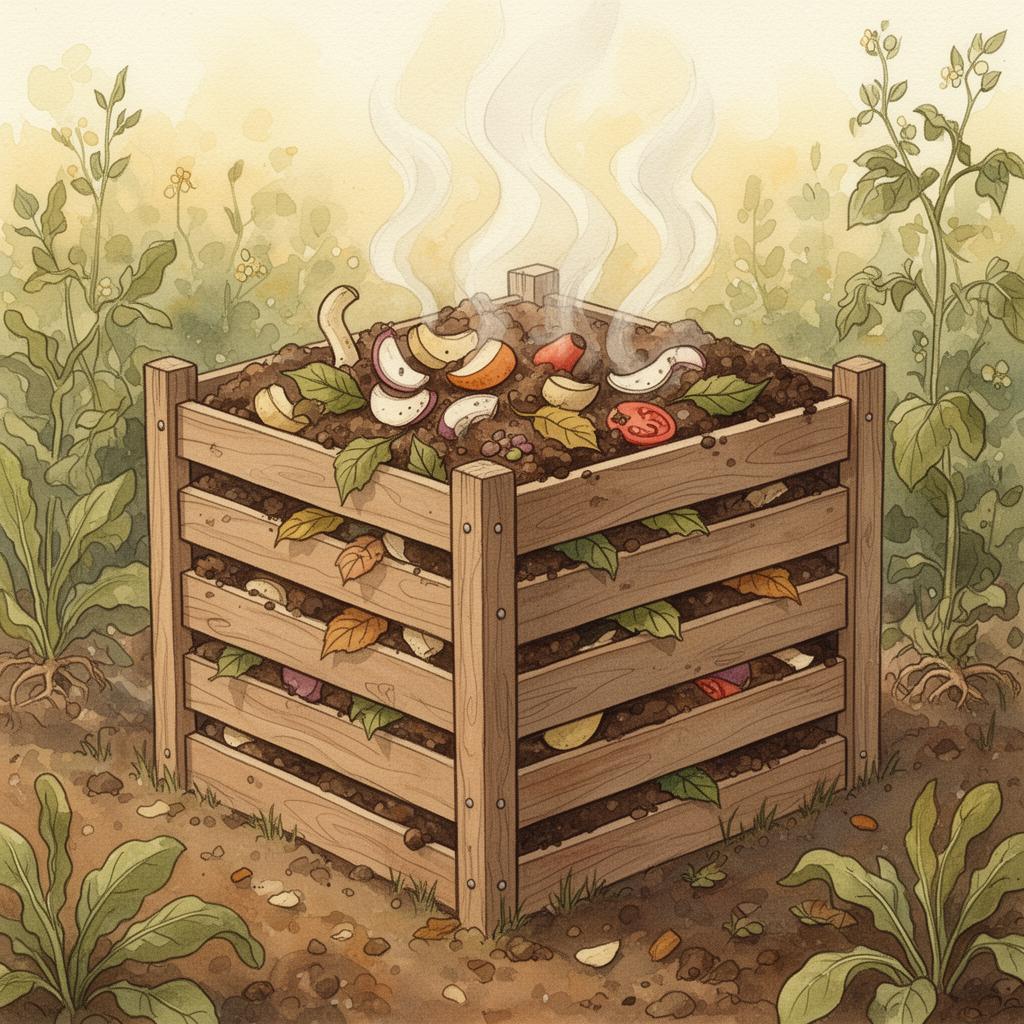
Setting Up Compost the Right Way: From Kitchen Scraps to Black Gold
Compost is the best fertilizer - and completely free. Learn step by step how to set up a compost pile, avoid common mistakes, and harvest nutrient-rich soil within a few months.
Read more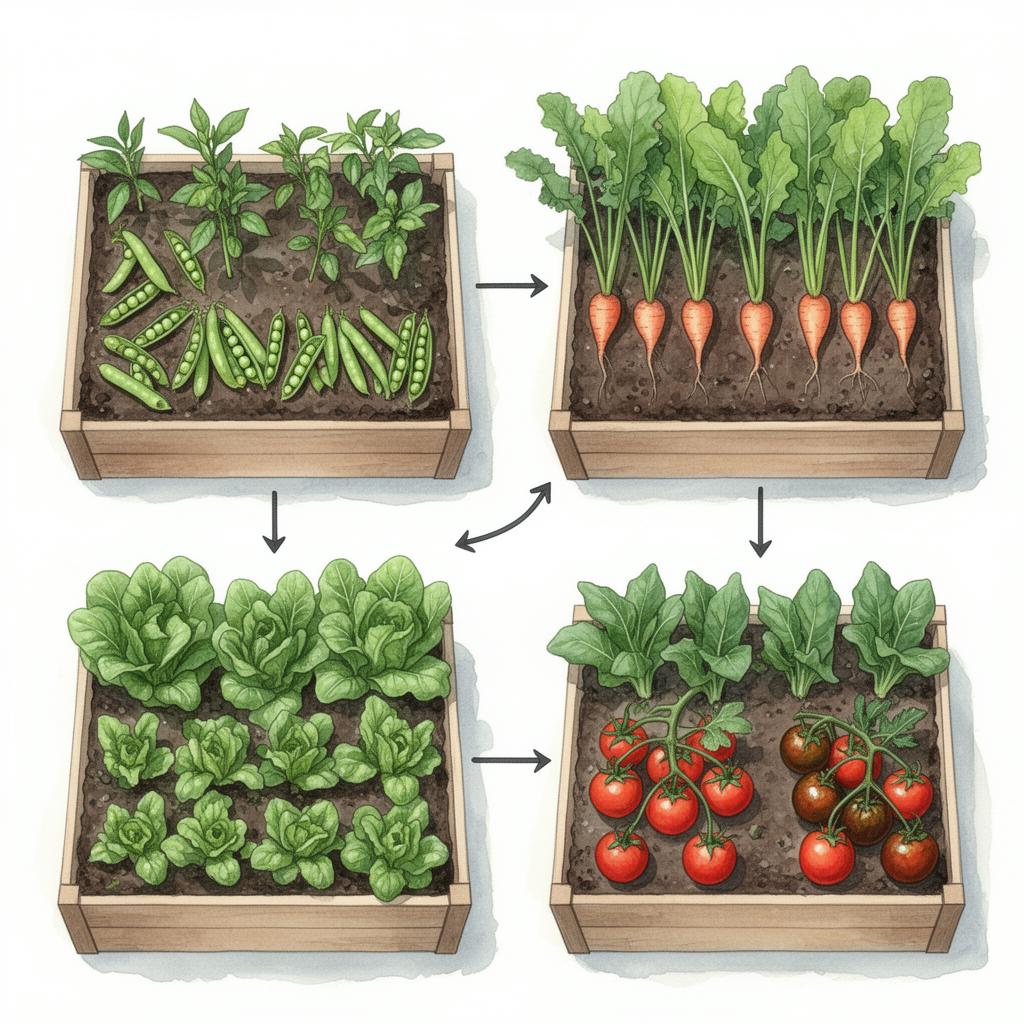
Which app to plan a vegetable garden? The honest 2026 comparison
You want to plan your vegetable beds digitally but aren't sure which app is right? This comparison shows what really matters – from companion planting and the sowing calendar to data privacy – and which type of gardener each solution suits.
Read more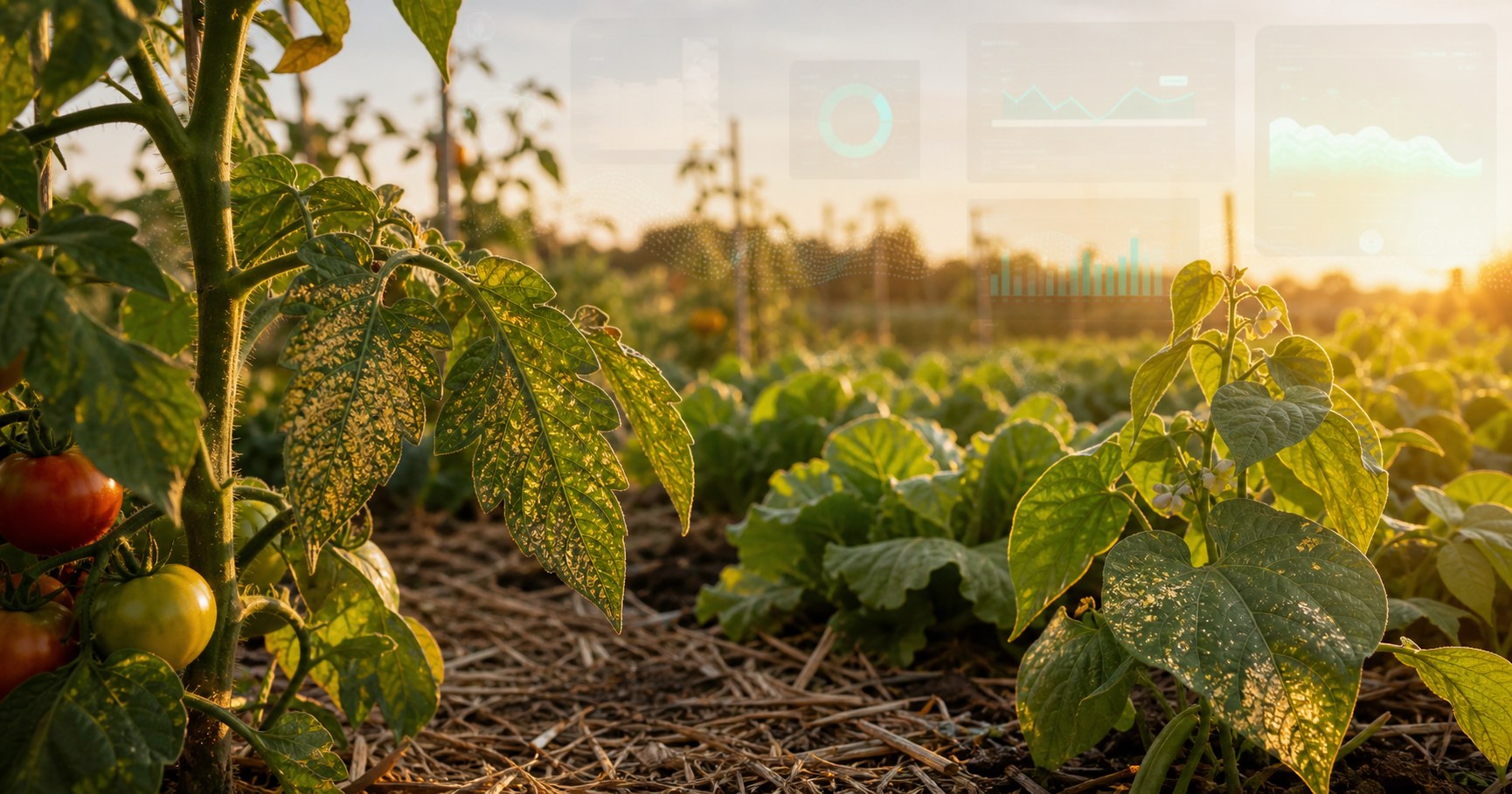
Ozone Stress in the Garden 2026: The Invisible Heat Damage on Tomatoes, Beans and Leafy Greens
When heat, strong sun and stagnant air come together, ground-level ozone can damage plant cells. Learn how to recognise ozone stress, separate it from drought, and protect your beds.
Read more