Natural Plant Protection: Home Remedies Against Aphids, Slugs & Co.
Natural Plant Protection – Proven Home Remedies for 2026
Chemical pesticides burden soil, water and beneficial organisms. Natural alternatives are not only more environmentally friendly but often just as effective – when used correctly.
The Basic Principles of Biological Plant Protection
Before home remedies come into play, preventive measures should take effect:
- Choice of location: the right plant in the right place
- Mixed cultivation: natural defense through plant companionship
- Crop rotation: interrupting disease cycles
- Soil health: healthy soil = healthy plants
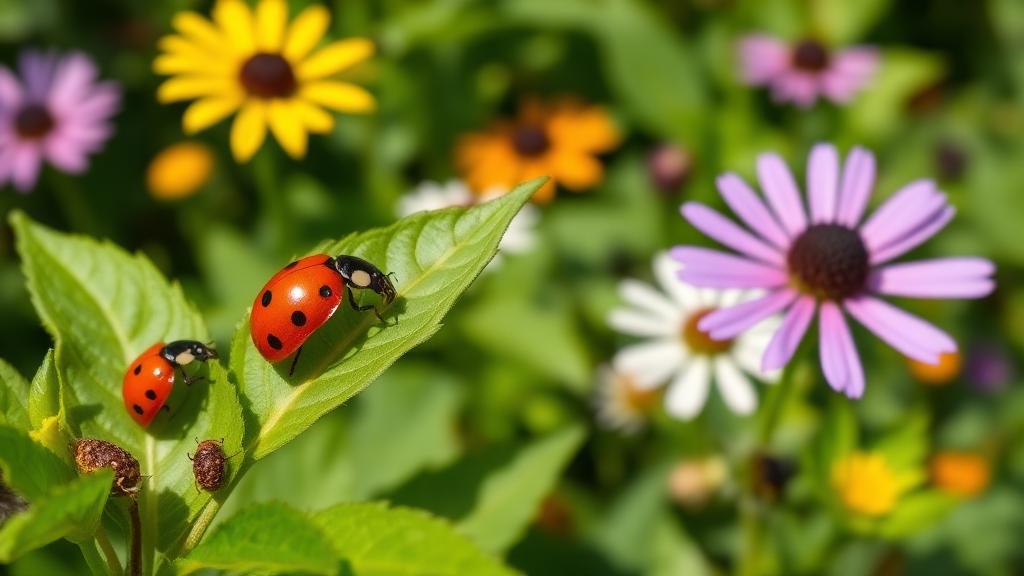
- Promoting beneficial organisms: habitats for ladybugs, lacewings and the like
Proven Plant Slurries and Brews
| Remedy | Preparation | Effect | Application |
|---|---|---|---|
| Nettle slurry | 1 kg fresh / 10 L water, 14 days | strengthening, aphid defense | dilute 1:10 and water |
| Horsetail brew | 200 g dried / 10 L, soak 24h, boil 30 min | fungus prevention (silicic acid) | spray undiluted |
| Garlic infusion | 100 g chopped / 1 L, steep 24h | fungi, aphids | spray undiluted |
| Tansy brew | 300 g fresh / 10 L, steep 24h | rust fungi, Colorado beetle | dilute 1:3 and spray |
| Wormwood tea | 300 g fresh / 10 L, infuse | aphids, ants | spray undiluted |
| Comfrey slurry | 1 kg fresh / 10 L, 14 days | potassium fertilization, strengthening | dilute 1:10 and water |
Making a Plant Slurry – Step by Step
- Roughly chop fresh plants
- Place in a non-metallic container (wood, plastic)
- Pour over rainwater (low in lime!)
- Set up in a sunny spot, stir daily
- Fermentation takes 10–14 days (summer temperatures)
- Ready when no more bubbles rise
- Strain and store in dark canisters (keeps up to 6 months)
💡 Tip: A handful of rock flour or primary rock dust considerably reduces the odor during fermentation.
Immediate Help for Common Pests
Aphids
- Soft soap solution: 20 g potash soap + 1 L warm water, spray directly onto colonies
- Milk-water mixture: 1:2 whole milk:water, clogs the breathing openings
- Promote beneficial insects: 1 ladybug eats up to 150 aphids per day
Slugs
- Slug fence made of copper tape (natural barrier)
- Beer traps at ground level (empty daily!)
- Sawdust or coffee grounds as a scattered barrier around beds
- Evening collection in damp weather
Mildew
- Baking soda spray: 1 sachet + 20 ml rapeseed oil + 1 L water
- Milk spray: 1:8 fresh milk:water (microorganisms fight the fungus)
- Preventively: horsetail brew every 2 weeks
Cabbage White Butterfly
- Protective nets (mesh size 1.4 mm) from May to August
- Tomato slurry: soak leaves in water, the smell drives away the butterflies
- Regular inspection of the undersides of leaves for egg clusters
Monthly Plant Protection Calendar
| Month | Action | Goal |
|---|---|---|
| March | horsetail brew on fruit trees | fungus prevention |
| April | prepare nettle slurry | aphid prevention |
| May | protective nets over cabbage beds | cabbage white butterfly |
| June | garlic infusion for rose rust | fungus treatment |
| July | wormwood tea against aphids | acute treatment |
| August | tansy brew on potatoes | Colorado beetle |
| September | comfrey slurry as autumn fertilization | strengthening |
| October | leave leaves lying (shelter for beneficials) | overwintering |
Specifically Promoting Beneficial Organisms
The best pest control is a functioning ecosystem:
- Insect hotel: wild bees, lacewings, earwigs
- Deadwood pile: hedgehogs, toads, ground beetles
- Flowering strips: hoverflies, parasitic wasps
- Stone pile: lizards, slow worms
- Pond/water source: dragonflies, newts, frogs
💡 Note: A garden with 30+ different flowering plants has 60% fewer pest problems than a monoculture.
Conclusion
Natural plant protection requires more observation and forward planning than chemical agents – but rewards you with healthier plants, better flavor and a lively garden ecosystem.
Comments (0)
Sign in to comment.
📖 You might also like
Medicinal Herbs According to Hildegard von Bingen: Ancient Wisdom for the Modern Garden
The abbess Hildegard von Bingen documented over 300 medicinal plants in the 12th century. Which of them belong in your garden - and how do you use them today?
Read more
Medicinal Herbs from Your Own Garden: From Hildegard von Bingen to Modern Phytotherapy
Rediscover the power of medicinal plants: how to set up your own herbal pharmacy using ancient monastery knowledge and modern methods - with growing tips, tincture recipes and wild herb identification.
Read more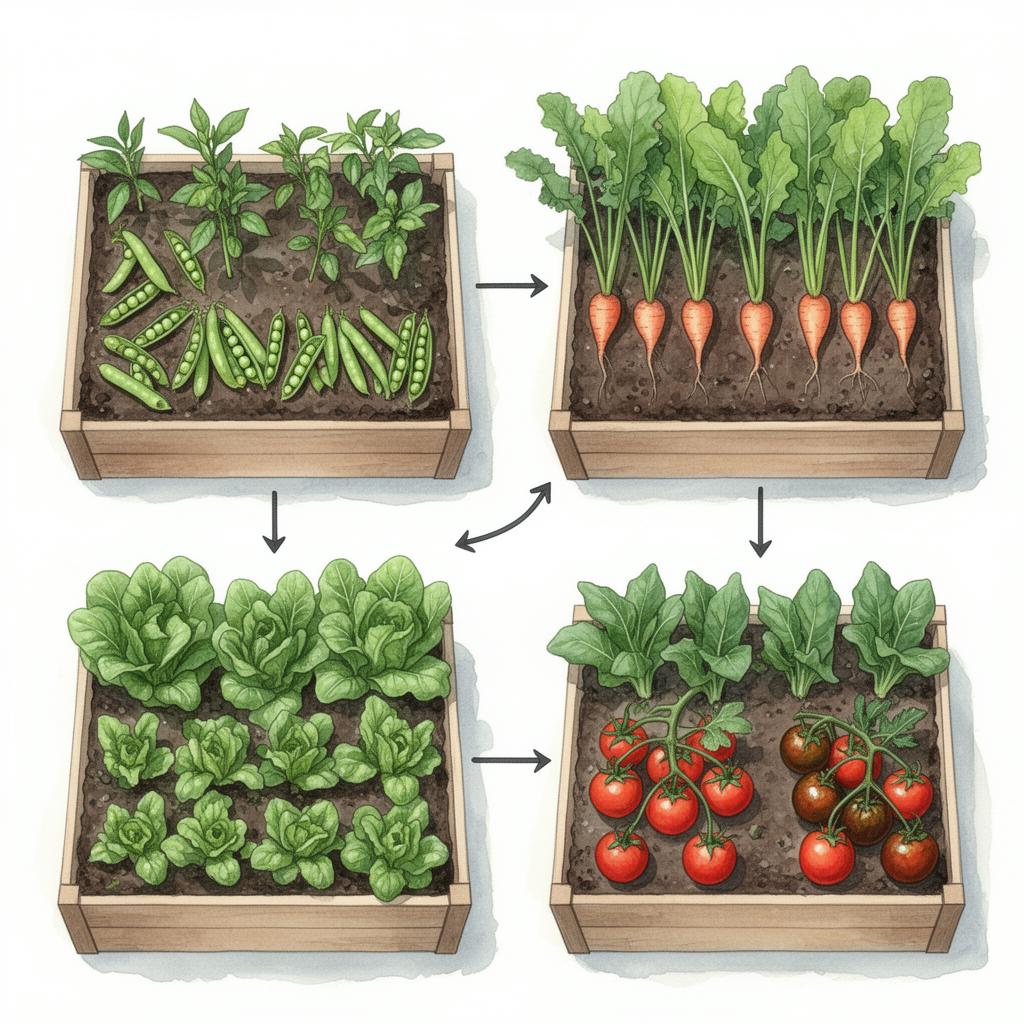
Which app to plan a vegetable garden? The honest 2026 comparison
You want to plan your vegetable beds digitally but aren't sure which app is right? This comparison shows what really matters – from companion planting and the sowing calendar to data privacy – and which type of gardener each solution suits.
Read more