
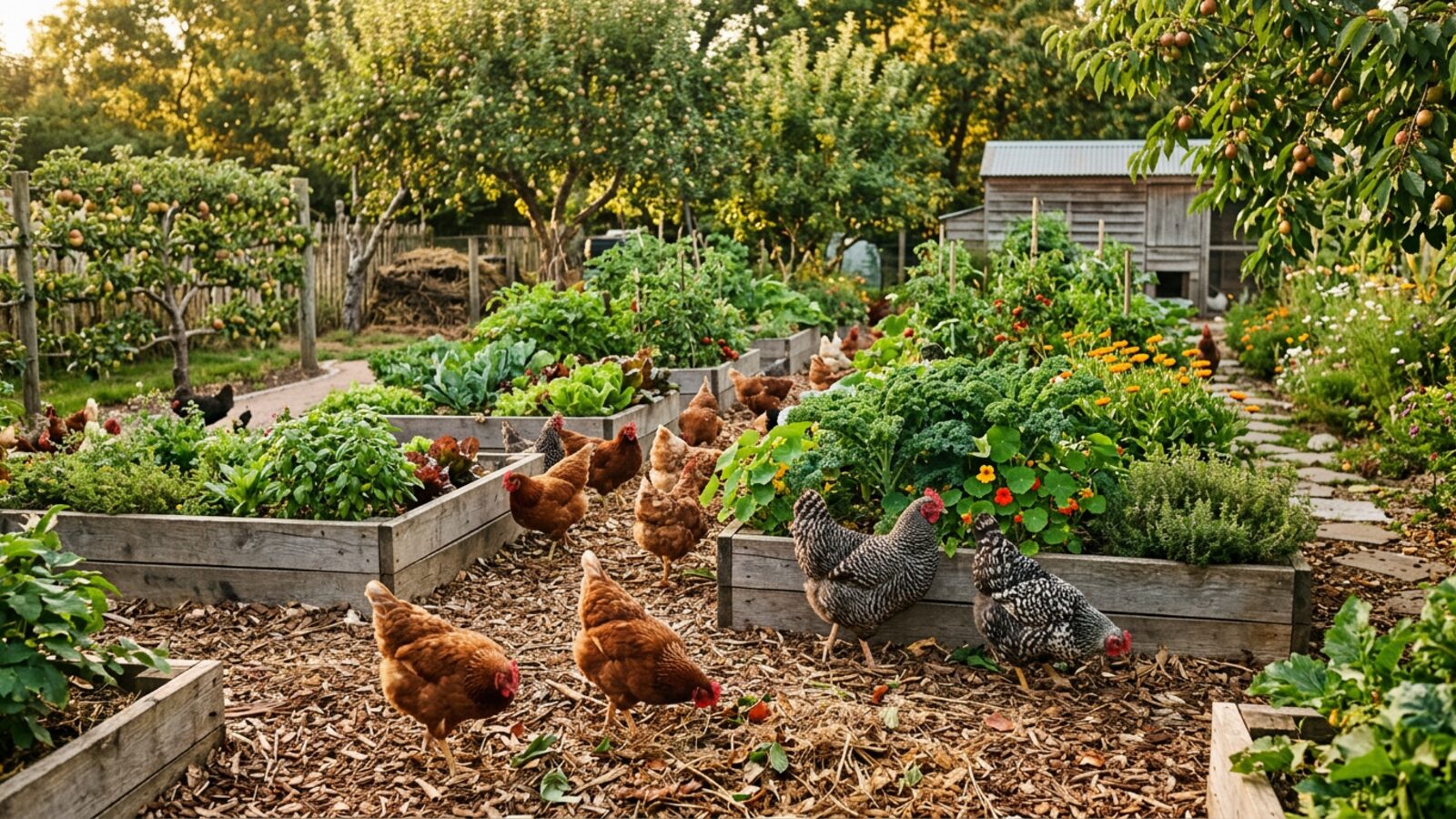
Chickens in the Permaculture Garden: A Living Fertiliser Factory & Pest Patrol
Picture yourself standing in your garden on a summer morning. The dew glistens on the lettuce leaves, the tomatoes are slowly turning red and, really, everything is perfect. If only it weren't for the gnawed-down zucchini plant, the telltale slime trail across the kohlrabi and, once again, the compacted soil in the bed you laboriously loosened only last week. The garden is a constant cycle of sowing, tending and battling against pests and tired soils. But what if you could hire feathered employees for precisely these tasks? Employees who not only weed and devour pests but, on top of that, gift you fresh eggs and the most valuable fertiliser every day.
Keeping chickens in your own garden is enjoying a renaissance, yet it is in the context of permaculture that these animals truly unfold their full potential. This is about far more than a nostalgic homage to Grandma's chicken yard. It is about the intelligent integration of animals into a closed-loop system in which every element performs several functions and contributes to the stability and productivity of the whole. In this system, chickens are not merely pets or egg suppliers; they are active partners in garden management who take work off your hands and create resources instead of merely consuming them.
This article shows you how to integrate chickens into your home garden according to the principles of permaculture. We will explore the many functions chickens can take on, clarify the legal framework, introduce suitable breeds and give you hands-on practical tips for the coop, feeding and handling the valuable chicken manure. Get ready to change your view of the humble backyard chicken forever.
The Chicken as a Permaculture All-Rounder
In permaculture design, decisively shaped by pioneers such as Bill Mollison, one central principle applies: every element in the system should perform as many functions as possible. A tree provides not only fruit but also shade, habitat for beneficial creatures, and it improves the soil. The chicken is the prime example of such a multifunctional element. It is a living, clucking machine that converts input (food scraps, pests) into valuable output (eggs, fertiliser, soil cultivation).
Eggs and Meat: The Obvious Yields
The most obvious reason for keeping chickens is the supply of fresh, healthy eggs, whose quality and flavour far surpass those of supermarket produce. You know exactly what your chickens have eaten and how they live. With dual-purpose breeds there is also the option, after a few years, of obtaining a tasty Sunday roast from your own garden – a conscious and ethical form of meat consumption that is gaining ever more significance today.
The Mobile Fertiliser Spreader: Valuable Chicken Manure
Chicken droppings are a highly concentrated, nitrogen-rich fertiliser. If you let chickens roam in a controlled manner over harvested beds or fallow areas, they distribute their manure evenly. This "fertiliser service" is priceless and revitalises the soil sustainably. The right handling is important here, since fresh manure is too "hot" for young plants. In the compost, however, it unfolds its full power.
Biological Pest Control in Action
Chickens are passionate hunters. Their menu includes a wide variety of garden dwellers that often make life hard for us gardeners:
- Slugs and snails and their eggs
- Grubs, wireworms and other soil larvae
- Ants and woodlice
- Many weed seeds
Through the targeted, time-limited deployment of chickens on certain areas (for example before replanting), you can massively reduce pest pressure in a natural way without having to reach for the chemical sprayer.
Soil Loosening and Compost Preparation
The constant scratching and pecking of chickens is not pointless behaviour. In their search for insects and seeds, they effectively loosen the topmost layer of soil. This natural soil cultivation aerates the soil, promotes soil life and prepares areas ideally for fresh sowing. Another ingenious area of use: chickens as compost turners. A run that borders directly on the compost heap turns the animals into tireless helpers who, through their scratching, mix the heap, aerate it and speed up the decomposition process.
Legal Framework in the DACH Region
Before the first chickens move in, a look at the legal requirements is essential. Even though the private keeping of a few animals is uncomplicated, there are several points you absolutely must observe. The laws may differ in detail in Germany, Austria and Switzerland, but the basic principles are similar.
Reporting Obligation: The First Step to Legality
Whether you keep three chickens or thirty: in Germany you are legally obliged to register your chicken keeping promptly with the responsible veterinary office and with the animal disease fund (Tierseuchenkasse). This is not harassment but an important measure for disease prevention. In the event of an outbreak of diseases such as avian influenza, this allows a swift response and helps contain the spread. In Austria the report is made to the responsible district administration (Bezirkshauptmannschaft) or the municipal authority (Magistrat); in Switzerland it is made to the cantonal veterinary service. Registration is usually free of charge or involves a very small annual fee.
Confinement Orders and Avian Influenza: Preparing for Emergencies
Avian influenza (fowl plague) is a recurring threat. In the event of an outbreak in your region, the authorities may order a confinement requirement. This means your chickens are no longer allowed to enter their unsecured run, in order to prevent contact with wild birds. So already when planning your coop you must ensure that, in an emergency, the animals can be housed completely in the coop or in a covered, bird-proof aviary for several weeks without major stress occurring.
Good Relations: Neighbourhood Law
Peace at the garden fence is a precious thing. Chickens can cause noise (clucking, the crowing of the rooster) and odours. Keeping a few hens is usually unproblematic in residential areas. A rooster, on the other hand, can quickly become a point of contention through its crowing. Check the local development plans and ordinances of your municipality. In Germany the rule often applies that coops for small animals may be erected without building permission if they maintain a minimum distance from the property boundary. As a rule of thumb, which is not legally binding everywhere, distances of 3-5 metres apply. Discuss your plans proactively with your immediate neighbours. A dozen fresh eggs as a gift often works wonders and creates a positive atmosphere from the outset.
The Right Flock for Your Garden
The group size and the choice of breed are decisive for harmonious coexistence in the garden. It is about putting together a flock that suits your available space, your goals and your workload.
How Many Chickens Are Ideal?
Chickens are social animals and should never be kept alone. A group of three to six chickens is ideal for the average home garden.
- Three hens: This is the absolute minimum size for a functioning social structure. The egg supply for a small family is usually covered with this.
- Four to six hens: A more stable group size that copes better with the loss of an animal. The "work effort" in the garden is more effective and the eggs are also enough for friends and neighbours.
More than six animals already require considerably more space and management in order to avoid overburdening the garden areas. A rooster is not necessary for egg production and, because of the noise issue, should only be considered if there is sufficient space and tolerant neighbours.
Choosing the Breed: Robust and Garden-Friendly Chickens
Not every chicken breed is suitable for the permaculture garden. High-performance hybrids are often delicate and nervous. What is needed are robust, weatherproof landrace chickens that are good foragers, do not scratch too frantically and ideally are not particularly good fliers. The following breeds have proven their worth in home gardens:
| Breed | Laying Performance (approx.) | Temperament | Notable Features |
|---|---|---|---|
| Sussex | 200-240 eggs/year | Calm, trusting, beginner-friendly | Good dual-purpose chicken (eggs & meat), robust |
| Vorwerk | 150-180 eggs/year | Lively, very good forager | Beautiful markings, dislikes flying, weatherproof |
| Bielefelder Kennhuhn | 200-230 eggs/year | Very calm, fast-growing, trusting | Auto-sexing (the sex of the chicks is recognisable), good winter layer |
| Sundheimer | 180-220 eggs/year | Extremely calm, "the gentlest chicken" | Old German dual-purpose chicken, ideal for families, hardly flies |
These breeds are not only productive but, through their characteristics, actively contribute to garden care without constantly breaking out of their area through excessive flying activity or nervousness.
Coop and Run – Species-Appropriate Keeping as a Priority
Species-appropriate housing is the foundation for healthy chickens and a functioning system. Safety, cleanliness and sufficient space are the decisive factors.
The Fixed Coop: A Safe Retreat for the Night
The coop is your chickens' fortress. At night it must protect them from predators (marten, fox) and from the elements.
- Size: Plan generously. As a minimum, roughly 1 square metre of coop floor space per three chickens applies. For three chickens, 4 sqm, as mentioned in the requirements, is a comfortable size that also offers room for feed and water dispensers.
- Furnishings: The coop needs perches (approx. 25-30 cm per chicken), nesting boxes in a dark, quiet place (one nest for 2-3 hens) and bedding of straw, shavings or hemp litter that binds moisture.
- Safety: It must be absolutely marten-proof! That means: no gaps larger than 2 cm, sturdy latches and ideally a foundation or paving slab base under which no predator can dig its way through.
The Chicken Tractor: The Ingenious Mobile Solution
The key to the successful use of chickens in permaculture is the chicken tractor. This is not a vehicle but a mobile coop with an integrated run that is open at the bottom. With this lightweight, movable enclosure you can deliberately direct the chickens' "labour".
- Rotation: The chicken tractor is moved to a new area in the garden every few days or weekly.
- Areas of use:
- Bed preparation: Place the tractor on a planned vegetable bed for 1-2 weeks. The chickens eat weeds and pests, loosen and fertilise the soil. Afterwards the bed is perfectly prepared.
- Harvested areas: After harvesting potatoes or cabbage, the chickens clean the area of remains and pests.
- Fertilising the lawn: Moved regularly across the lawn, the chickens provide even fertilisation and keep weeds short.
The chicken tractor prevents the animals from digging up your entire garden in an uncontrolled way and enables intensive but regenerative cultivation of small partial areas. The permanently installed, larger run with at least 10 square metres per chicken remains the main living area, while the tractor serves for targeted work assignments.
Feeding in a Cycle: Harnessing Synergies with the Garden
A great advantage of permaculture keeping is the reduction of bought-in feed. Your chickens become part of the nutrient cycle of your garden.
- Basic supply: A high-quality complete feed (layer mash or pellets) should always be freely available to ensure the supply of all important nutrients, vitamins and minerals. Grit (small stones for digestion) and fresh water are also indispensable.
- Treats from the garden: Deliberately give your chickens whatever the garden produces. Weeded wild plants (chickweed, dandelion), collected slugs or beetles are a feast.
- Making sensible use of kitchen scraps: Many leftovers from the kitchen are valuable chicken feed. Cooked potatoes, rice, pasta, vegetable trimmings, fruit peels or quark leftovers are eaten with relish.
- Off-limits are: heavily salted, spiced or mouldy foods, avocados, raw potato peels and most ornamental plants.
The Gardener's Gold: Composting Chicken Manure Correctly
The manure that accumulates in the coop is too concentrated for direct application. It must be composted in order to make its nutrients available to plants and to kill off possible pathogenic germs.
- Collecting: Mix the chicken manure from the coop with carbon-rich material such as straw, leaves, wood chips or cardboard. A good mixing ratio is about one part manure to two or three parts carbon material.
- Aiming for hot composting: Build up the compost heap all at once with a larger quantity of this mixture (at least 1 cubic metre). Due to the high nitrogen concentration in the manure, the heap becomes very hot (55-65 °C). This heat reliably kills weed seeds and pathogens.
- Turning and letting it mature: Turn the compost after a few weeks to aerate it and make the decomposition process even.
- Maturing: After the hot composting process, the compost should mature for at least six more months. Only then is the formerly "hot" manure transformed into crumbly, earthy and nutrient-rich humus that you can spread generously over your beds.
Managing Risks: Protection from Predators and Garden Damage
There are two main risks to consider when keeping chickens in the garden: predators and the destructive urge of the chickens themselves.
Protection from Above and Below
- During the day: Birds of prey such as the goshawk are a danger. Shrubs, trees or a net stretched over the run offer protection. A rooster is an excellent sentry here, warning immediately at any threat.
- At night: Marten, polecat and fox are the greatest enemies. The coop must, as already mentioned, be absolutely securely closed every night. Automatic chicken doors with a twilight sensor are a great help here and provide reliable safety.
The Bed Is Not a Chicken Playground
A free-ranging chicken does not distinguish between weeds and your lovingly grown cut-and-come-again lettuce. Unprotected vegetable beds are turned into a desert in no time.
- Fencing: Protect your beds with mobile push-in fences.
- Controlled use: Use the chicken tractor or only let the flock onto areas where they are meant to "work" deliberately (e.g. harvested beds, orchards).
Integrating chickens is not a self-runner but requires planning and well-thought-out management. Yet the reward is a lively, more resilient garden and a deeper understanding of the cycles of nature.
The decision to integrate chickens into your garden is a big step towards greater self-sufficiency and a resilient system. It is a fascinating journey in which you learn something new every day. Observe your animals, learn to interpret their behaviour and delight in the many gifts they give you. Do you dare to take this step and hire your own feathered garden helpers?
To keep track of crop rotations, the use of the chicken tractor or compost preparation amid all the new tasks, careful documentation can be worth its weight in gold. A digital garden journal like PermaNatura helps you keep an overview of your measures and record which bed was worked by the chickens and when, and is now ready for sowing. This makes planning child's play next year.
Comments (0)
Sign in to comment.
📖 You might also like
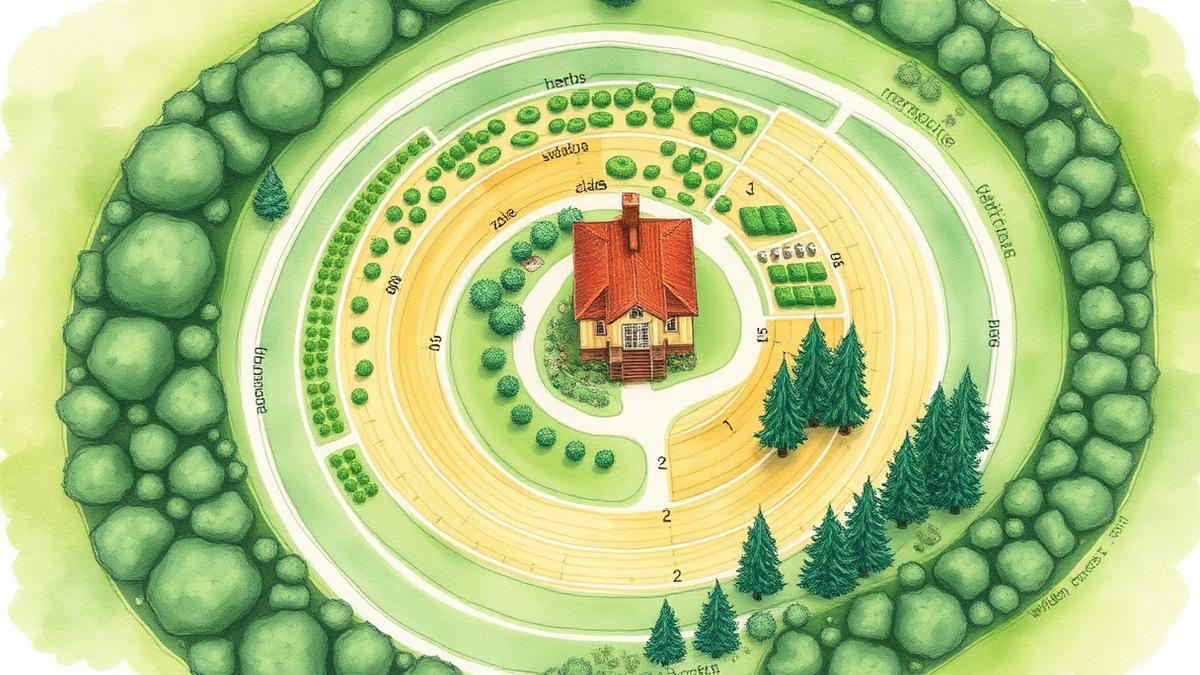
Permaculture Zones According to Mollison: How to Plan Your Property Efficiently
The zone model according to Bill Mollison is the heart of every permaculture plan. Learn how to apply Zone 0 to 5 on your property - from the balcony to the large-scale farm.
Read more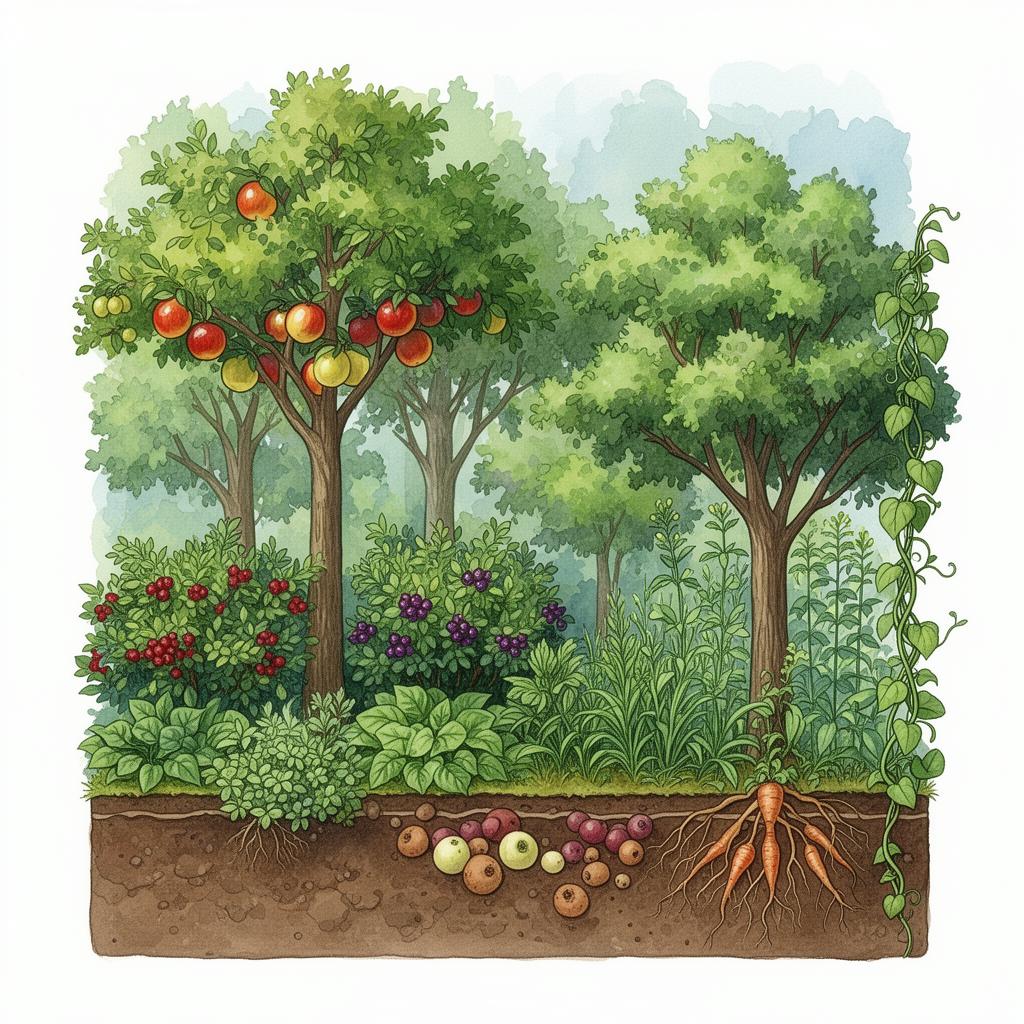
Creating a Forest Garden: Edible Landscapes Based on the Permaculture Principle
A forest garden combines fruit trees, berry bushes, perennials and ground covers into a productive ecosystem. Here is how to establish a food forest in Germany, Austria or Switzerland.
Read more
Lunar Calendar in Agriculture: Where Science Meets Tradition
For centuries, farmers have timed sowing and harvesting by the moon. What does science say about it? And how does PermaNatura integrate lunar rhythms into modern farm planning?
Read more