Permaculture in Your Own Garden: How to Plan Your First Bed According to Nature's Principles
Why Permaculture Is More Than a Trend
Permaculture is not a new concept - it is based on the millennia-old knowledge of indigenous cultures, combined with modern ecology. The word itself, coined by Bill Mollison and David Holmgren in the 1970s, combines "permanent" and "agriculture": a lasting, nature-friendly form of agriculture.
In German-speaking countries, we are currently experiencing a renaissance of this way of thinking. More and more hobby gardeners in Germany, Austria and Switzerland are realising that conventional monoculture - even in the home garden - depletes the soil and reduces biodiversity in the long run.
The 3 Ethical Principles
- Care for the Earth - Building up soil instead of depleting it
- Care for People - Healthy nutrition from your own garden
- Fair Share - Passing on surpluses, sharing knowledge
Your First Permaculture Bed: Step by Step
1. Site Analysis
Before you plant the first plant, observe your garden: Where does the sun shine? Where does water collect? Which wind directions prevail? Digital tools such as PermaNatura help you to factor the path of the sun and the moon phases directly into your bed planning.
2. Companion Planting Instead of Monoculture
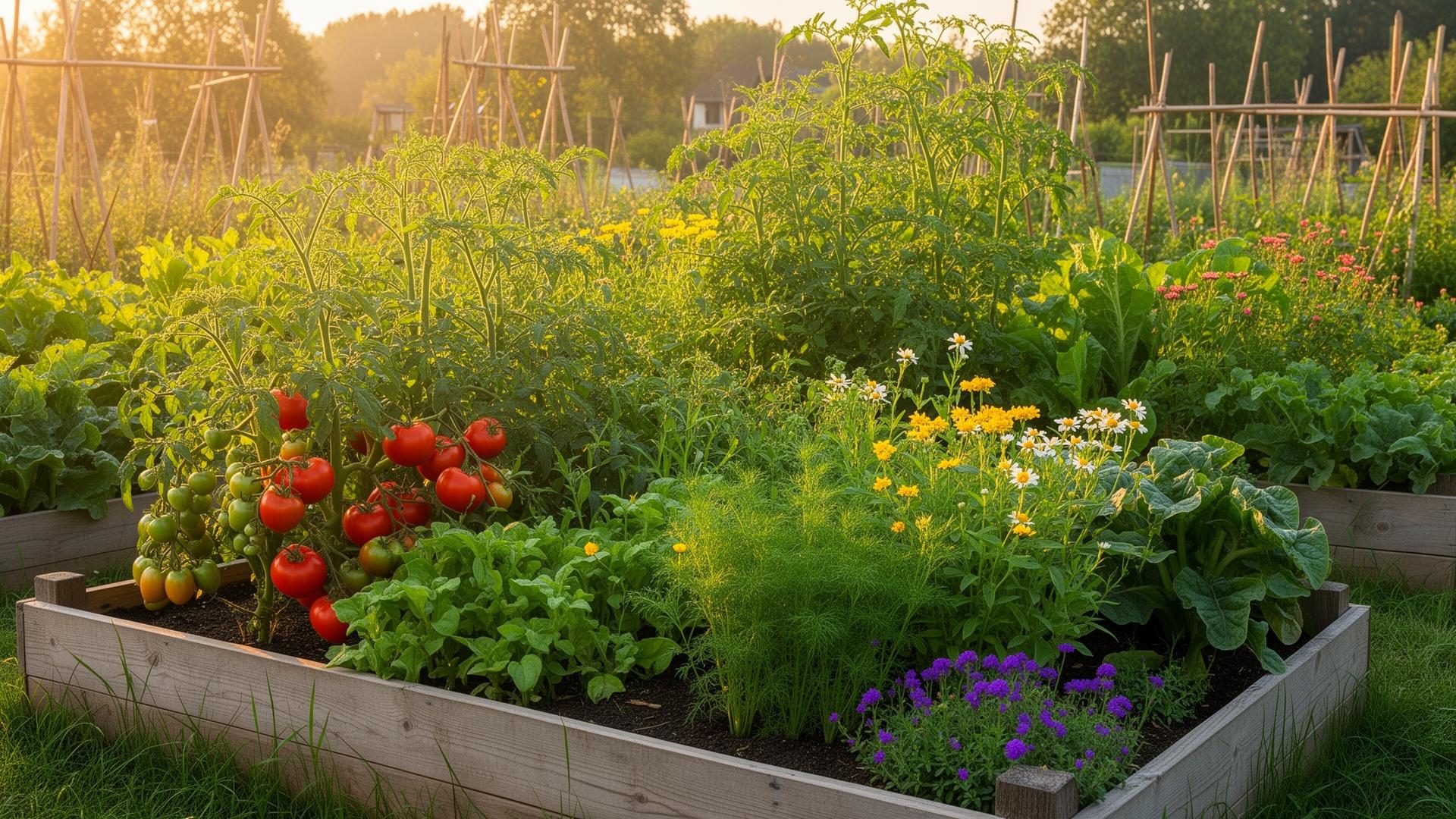
Nature knows no monocultures. Combine heavy feeders (tomatoes, squash) with light feeders (lettuce, radishes) and legumes (beans, peas), which enrich the soil with nitrogen.
Proven companion planting combinations:
- 🍅 Tomato + basil + carrot
- 🥒 Cucumber + dill + lettuce
- 🫘 Bean + corn + squash (the legendary "Three Sisters")
3. Plan Crop Rotation Digitally
A well-thought-out crop rotation prevents soil fatigue and pest infestation. With a digital field record, you keep track of past growing years and plan the next season based on evidence.
4. Promote Soil Health
The soil is the foundation. Regular soil analyses show you the pH value, humus content and nutrient supply. These values feed directly into personalised recommendations - such as which green manure makes sense right now.
Monastery Garden Wisdom Meets Technology
As early as the 12th century, Hildegard von Bingen knew about the healing power of plants and the importance of the right plant combinations. This traditional knowledge, combined with modern data analysis, creates a unique synergy:
- Lunar calendar integration: Sowing and harvesting in harmony with lunar cycles
- Planetary hours: Traditional time qualities for gardening
- AI-supported plant recognition: Identify wild herbs by photo
Conclusion: Start Small, Think Big
You don't need a hectare of land to get started with permaculture. A single raised bed, consciously planned and tended, can be the beginning of a transformation. Use digital tools to deepen your knowledge, document your successes and become part of a growing community.
"The best time to plant a tree was twenty years ago. The second-best time is now." - African proverb
This article is based on insights from permaculture research and traditional gardening knowledge. All methods mentioned are optimised for gardens in the DACH region (Germany, Austria, Switzerland).
Comments (0)
Sign in to comment.
📖 You might also like
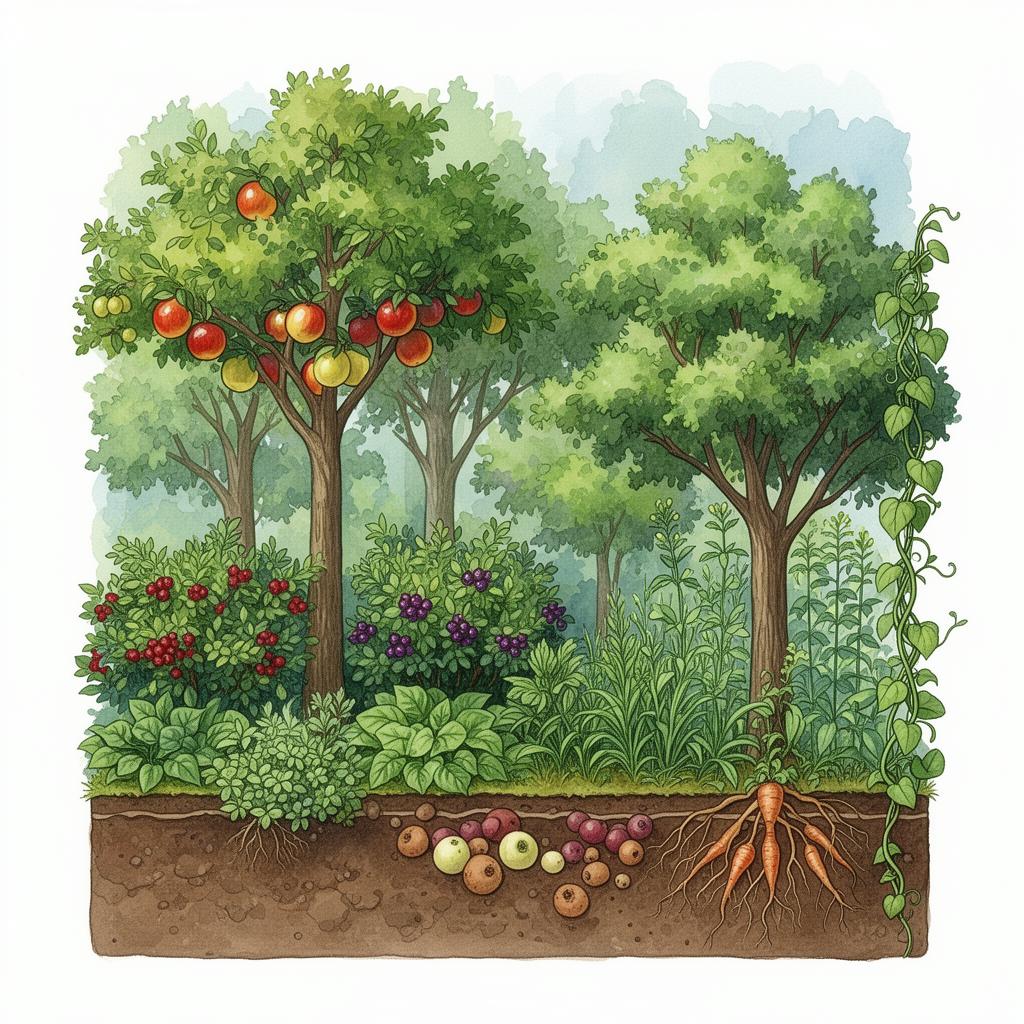
Creating a Forest Garden: Edible Landscapes Based on the Permaculture Principle
A forest garden combines fruit trees, berry bushes, perennials and ground covers into a productive ecosystem. Here is how to establish a food forest in Germany, Austria or Switzerland.
Read more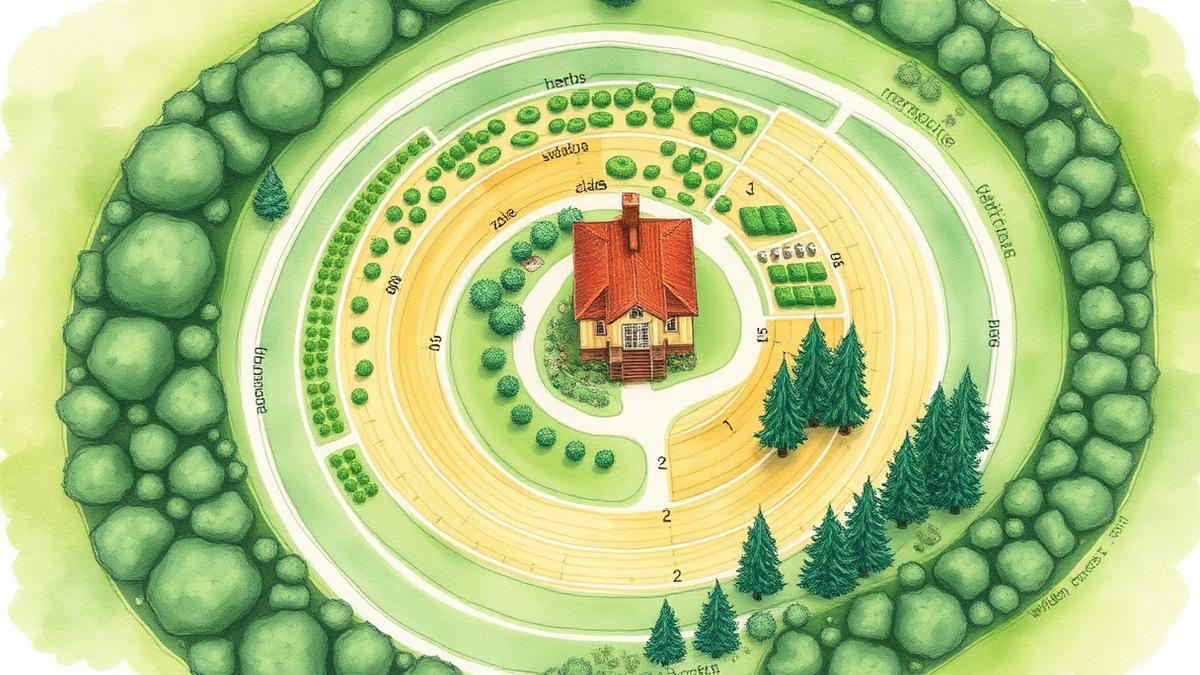
Permaculture Zones According to Mollison: How to Plan Your Property Efficiently
The zone model according to Bill Mollison is the heart of every permaculture plan. Learn how to apply Zone 0 to 5 on your property - from the balcony to the large-scale farm.
Read more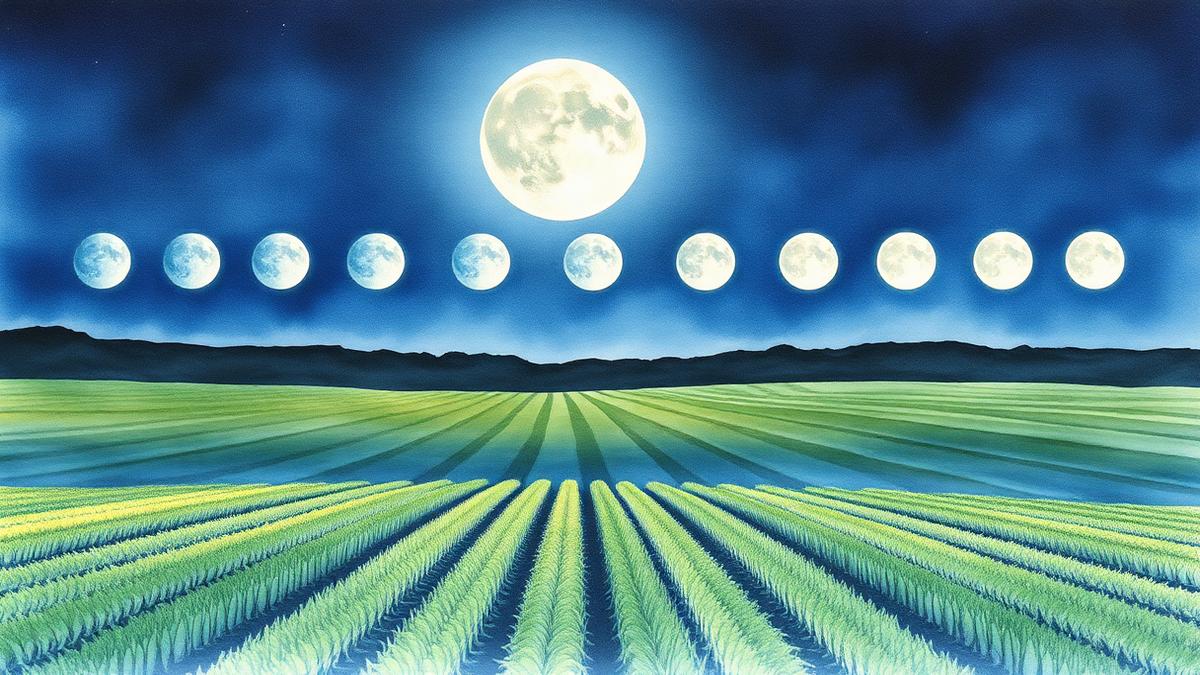
Lunar Calendar in Agriculture: Where Science Meets Tradition
For centuries, farmers have timed sowing and harvesting by the moon. What does science say about it? And how does PermaNatura integrate lunar rhythms into modern farm planning?
Read more